The Democrats’ sweep in the U.S. midterms is easing market fears, but it is not yet delivering the trade relief German companies want most.
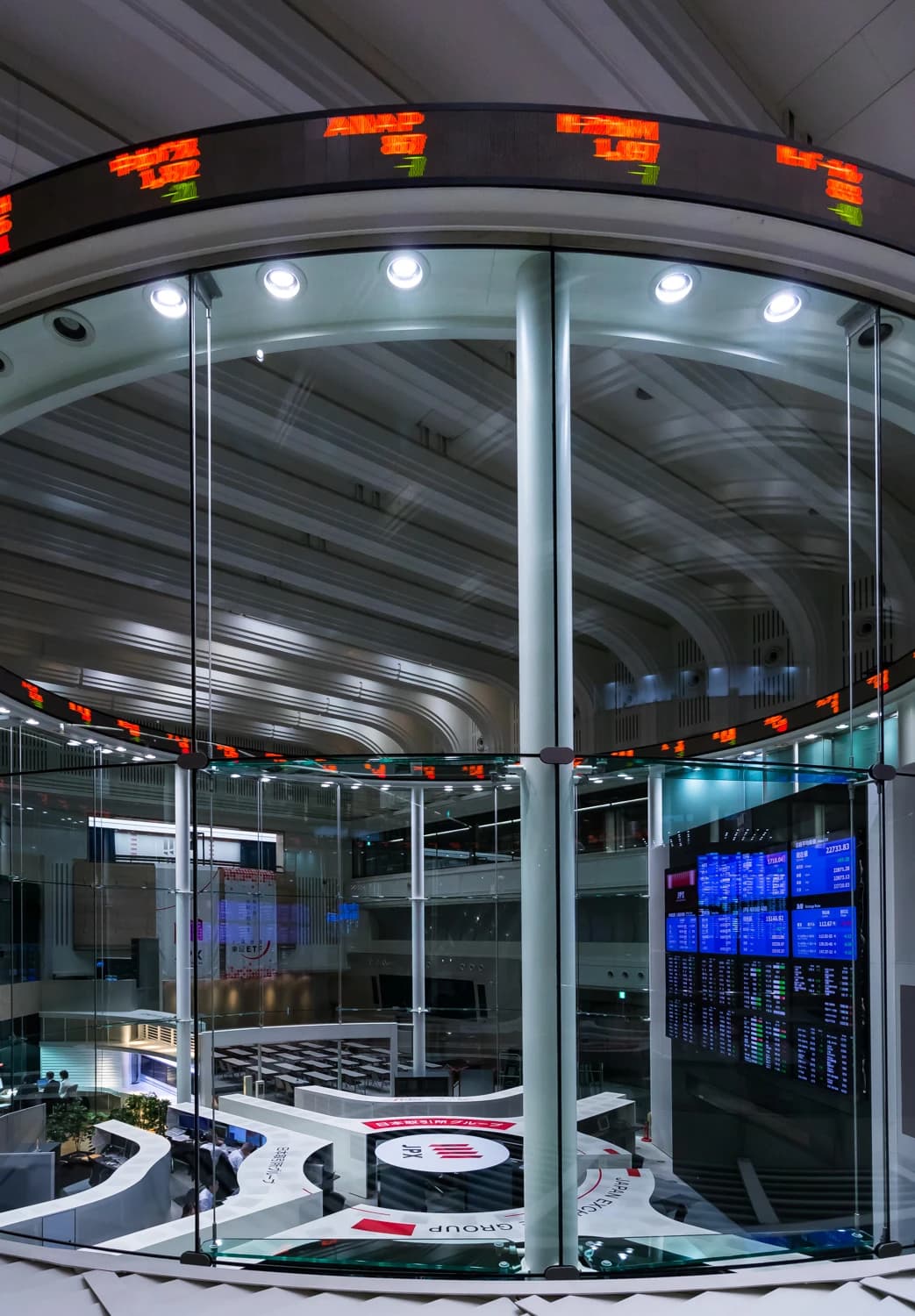
German stocks rally as tariff risk stays uneven
For investors, that is the key shift: Washington’s political gridlock may make sweeping new tariff fights harder to launch, but Donald Trump still has broad room to move on duties, export restrictions and foreign policy. That means Germany’s exporters, industrials and defense names are not suddenly out of the woods — they are entering a more selective, more uneven policy regime.
Sentiment Indicators
The DAX’s push to fresh record highs reflects that calmer backdrop, with Europe’s benchmark rallying on the idea that divided government reduces the odds of abrupt tax or regulatory shocks. But the more important message for German equities is that Trump’s trade agenda now becomes less about legislation and more about executive power. That keeps risk alive for automakers, machinery makers and globally exposed manufacturers, even as the immediate chance of a full-scale transatlantic trade escalation appears lower.
At the same time, the German investment story is broadening beyond politics. Foreign buyers are circling German assets more aggressively, with cross-border deal volume more than doubling to almost $129 billion over the period cited by KPMG. U.S. investors are behind 10 of the announced billion-dollar transactions, underscoring that German industrial expertise, data assets and relatively attractive valuations remain a magnet even in a protectionist world. For shareholders, that is important because it creates a floor under many underappreciated German franchises, especially in defense, telecoms, software and advanced manufacturing.
The macro backdrop is also getting more inflationary. Eurozone producer prices jumped 11.1% in September from a year earlier, driven by a 30.8% surge in industrial energy costs and higher prices for investment goods. That matters for Germany because it reinforces the squeeze on margins across energy-intensive industry just as order books are stabilizing. The latest German factory orders data, up 4.4% on the month, suggests demand is still there — but the pricing environment means revenue growth will not automatically translate into earnings power.
That is why the market is rotating, not simply rallying. Defense beneficiaries such as Hensoldt continue to post record orders and raise guidance, while Rheinmetall’s sharp share-price drop shows how quickly sentiment can turn when contract timing slips. On the other side, rate-sensitive and globally linked sectors are benefiting from a softer dollar and improved clarity, but they remain vulnerable if tariffs, energy costs or supply-chain frictions reaccelerate.
The investment takeaway is straightforward: the post-midterm setup does not remove Trump risk for Germany, it changes its shape. Investors should favor German companies with pricing power, backlog visibility and exposure to structural state spending, while treating export-heavy cyclicals and tariff-sensitive names as tactical rather than core holdings.
| Entity | Gains | Losses |
|---|---|---|
| German defense contractors | ▲More rearmament spending | ▼None from policy gridlock |
| German exporters | ▲Short-term clarity | ▼Tariff risk still hangs over them |
| Foreign buyers of German assets | ▲Cheaper entry points | ▼Less urgency if valuations rerate |
| Energy-intensive industry | ▲Demand recovery | ▼Higher producer costs |