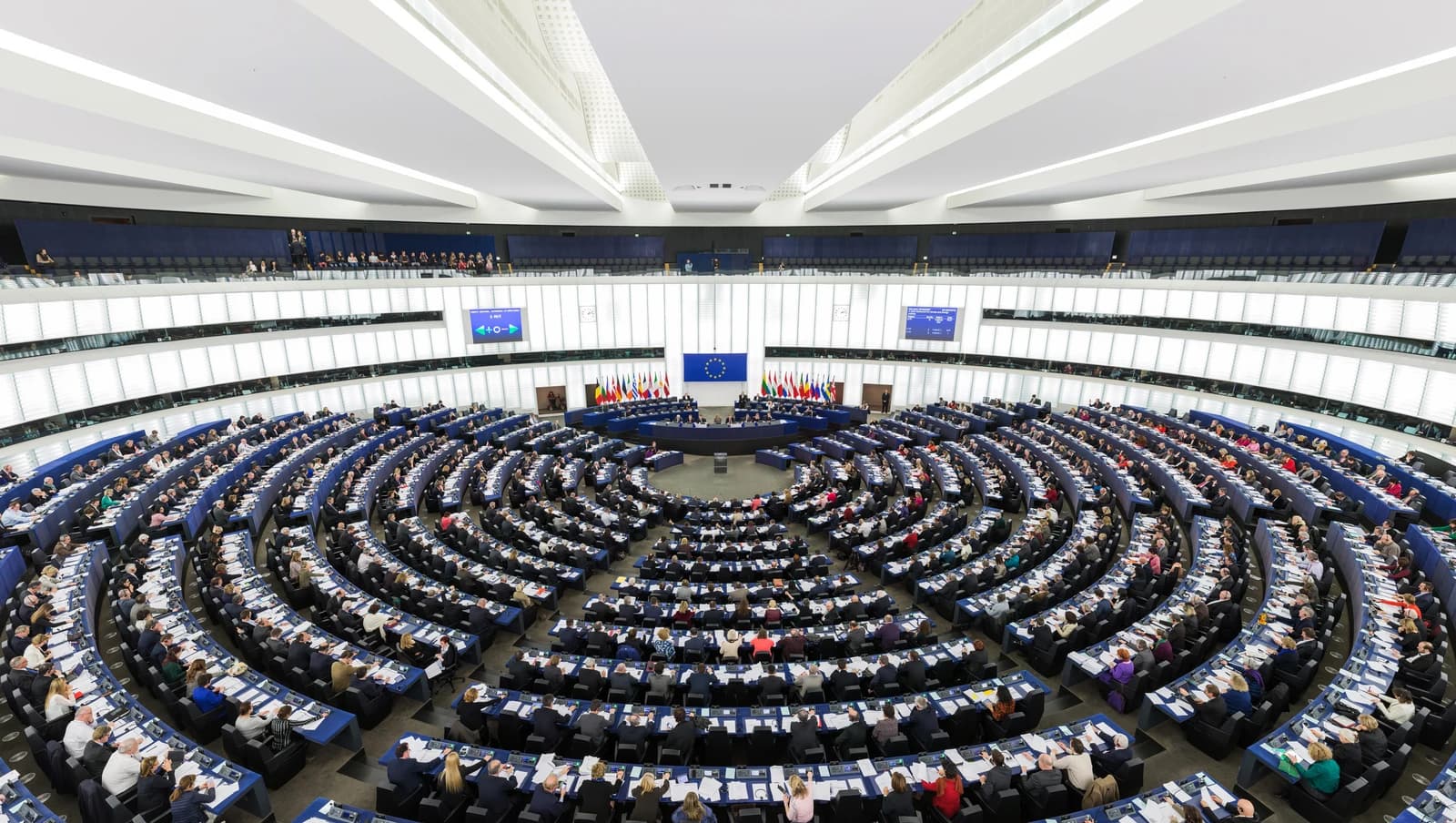
European capitals are treating the Republican defeat in the U.S. midterm elections as more than a domestic swing in Washington: they see it as a political rejection of Donald Trump’s trade and foreign-policy agenda, and a sign that the next two years will be harder for the White House to turn tariff threats and hardline unilateralism into law.
Europe Sees U.S. Midterms as Trade Policy Check
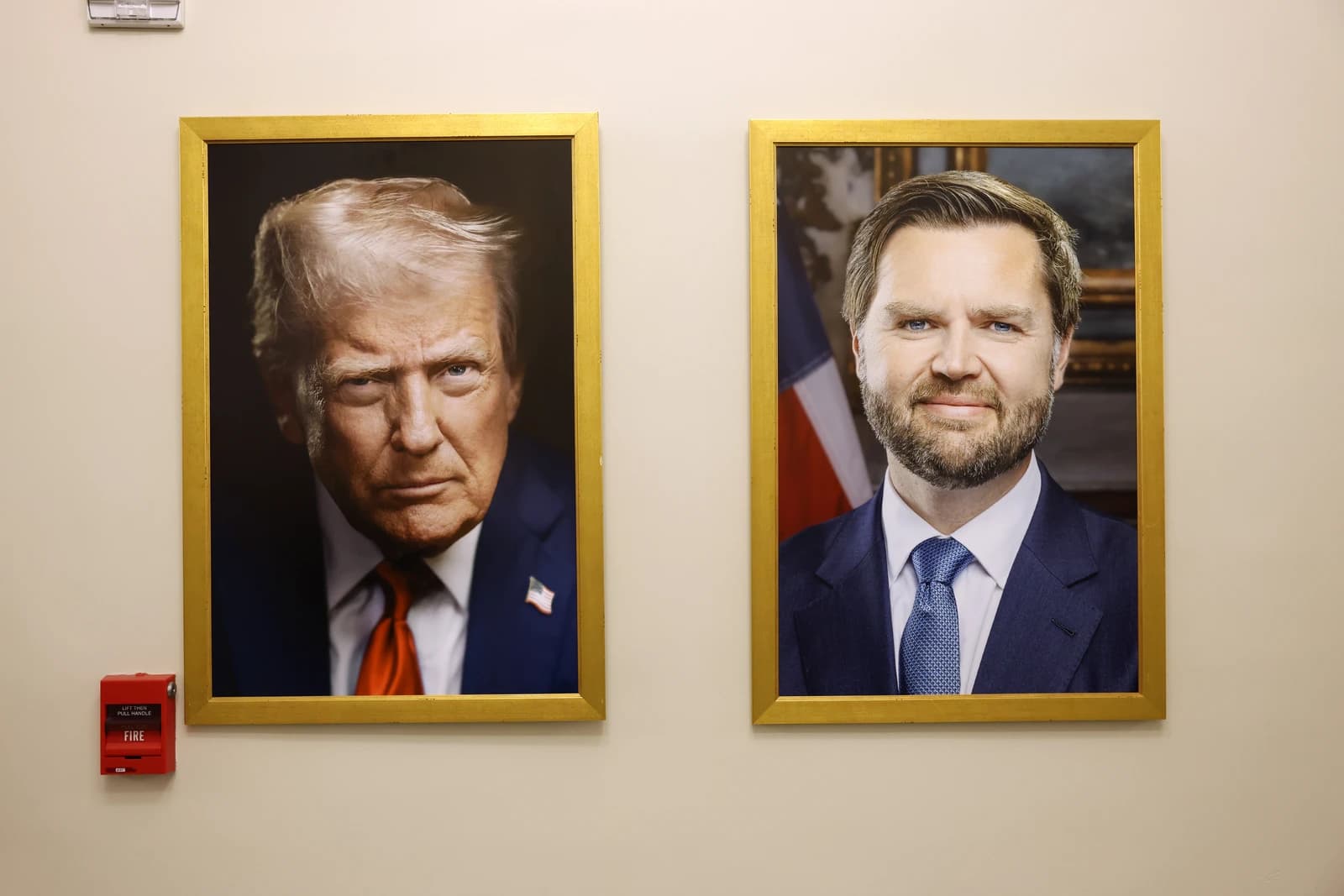
That matters economically because the election result raises the odds of legislative gridlock in the world’s largest economy at a time when Europe is already trying to protect industry, stabilize trade ties and reduce exposure to U.S. policy shocks. With Republicans losing control of Congress, Trump faces two years of tighter checks on tariffs, war-related spending and other measures that could disrupt transatlantic commerce, investment and supply chains. For Europe, that creates a window to press its own agenda on trade, industrial policy and security cooperation.
Sentiment Indicators
The message from Brussels is not just political symbolism. European officials have been closely watching the vote because Trump’s policies on tariffs, Iran and administrative power have already fed uncertainty in export markets and raised the cost of planning for manufacturers and financial firms. One Egyptian analyst cited in the coverage, Adel Al-Ghoul, said most European states welcomed the result as a political signal to Trump and his allies. That reading aligns with the broader European push to rebuild industrial capacity at home, reduce reliance on volatile external suppliers and keep open the channels that matter most for growth.
Investors should read this as a modest but real tailwind for Europe-relative assets if Washington becomes less aggressive on trade. Fewer tariff shocks would ease pressure on multinational margins, support risk appetite in European cyclicals and reduce some of the policy premium embedded in cross-border supply chains. It also helps explain why the euro has held around $1.12 even as U.S. political headlines turn noisier; the pair remains below both its 50-day and 200-day moving averages, but the bigger takeaway is that investors are not yet pricing a major Europe-specific breakout. That leaves room for a move if U.S. policy uncertainty fades and European industrial policy gains traction.
Geopolitical Risk vs EURUSD=Xadalytica.com
Explore this data interactively — full history, time series and cross-market comparisons.
The market implication is not that Trump is powerless. It is that his room to maneuver is narrower, and that matters for sectors exposed to tariffs, defense spending, energy diplomacy and transatlantic trade. In practical terms, that favors European exporters that benefit from predictability and companies tied to regional reindustrialization, while putting a ceiling on the kind of policy volatility that typically strengthens the dollar and pressures global equities.
For now, the dominant story is that Europe sees the midterms as a political correction to Trump’s approach — and that correction could prove economically constructive if it limits the next round of trade and geopolitical escalation. The market may still be underestimating how quickly that can shift capital flows back toward stability trades, European industrial names and exporters with less exposure to Washington’s whims.
| Entity | Gains | Losses |
|---|---|---|
| European exporters | ▲Fewer tariff shocks | ▼Policy volatility premium |
| Eurozone industry | ▲More planning visibility | ▼U.S. trade brinkmanship |
| Trump administration | ▲Limited legislative leverage | ▼Agenda stalled in Congress |
| Global investors | ▲More stable risk backdrop | ▼Less upside from tariff-driven volatility |