Christopher Caldwell says the most consequential result of the US midterms is not a broad ideological swing to the left, but a breakdown in trust between Donald Trump and the white, rural voters who powered his rise, a shift that could weaken his leverage over Congress, markets and US foreign policy.
Trump Midterms and White Rural Voter Trust

The loss matters because Trump’s political strength has never rested only on partisan loyalty; it has depended on the belief among his working-class base that he would defend their economic and cultural interests against Washington. Caldwell’s argument is that the midterm outcome exposed a more dangerous problem for Trump than a single electoral setback: the erosion of confidence among the voters he needed to hold together a governing coalition.
Sentiment Indicators
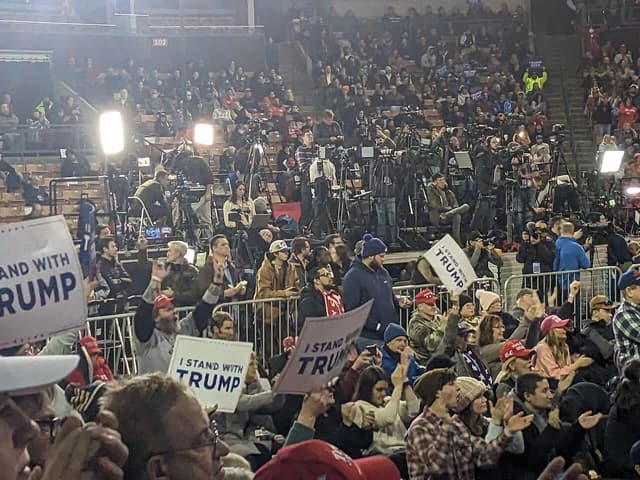
That reading fits the scale of the result. Caldwell noted that seven, and possibly eight, newly elected senators came from states Trump carried three times, an outcome that suggests not just a normal midterm backlash but a protest vote inside territory long considered safe for him. For investors, that raises the odds of a more constrained White House, less predictable policy execution and a higher premium on political risk as the administration tries to steer spending, regulation and foreign policy through a divided landscape.
The market implication is less about one election night than about durability. A president who is still politically loud but increasingly distrusted by his base may find it harder to assemble support for tax, trade or defense initiatives, and harder still to sustain policy coherence in moments of geopolitical stress. Adalytica’s US Presidential Approval Sentiment gauge still shows elevated enthusiasm at 75, but the 1-day move is down 4 points, a reminder that sentiment can turn quickly when political capital is spent.
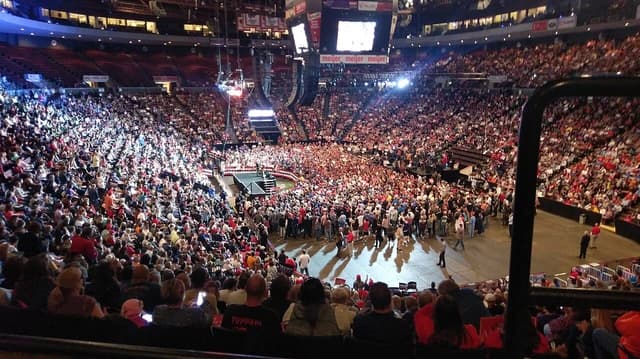
That fragility is also visible in broader policy sentiment. Adalytica’s White House Policy Direction Sentiment sits at 82, reflecting strong attention to the administration’s next moves, while the S&P 500 Trade Signals gauge remains neutral at 56. In practical terms, that suggests investors are not pricing a full-blown political crisis, but they are watching for second-order effects: tighter risk appetite, more defensive positioning and greater sensitivity to headlines on defense, sanctions, fiscal policy and trade.
The bigger narrative is that Trump’s coalition is shifting from loyalty to conditional support. Caldwell’s point is that “forgotten America” may not be moving to the Democratic Party so much as withholding trust from Trump himself. If that persists, it would matter far beyond the midterms: it would reshape his bargaining power in Washington, complicate his foreign-policy latitude and make the next policy surprise more, not less, disruptive for markets.
| Entity | Gains | Losses |
|---|---|---|
| Trump critics / Democrats | ▲Political momentum | ▼None material |
| Trump-backed incumbents | ▲Limited in safe states | ▼Credibility with base |
| Investors seeking clarity | ▲Less uncertainty if policy moderates | ▼Higher risk premium if trust erodes |
| White working-class voters | ▲More leverage over agenda | ▼Confidence in Trump’s promises |