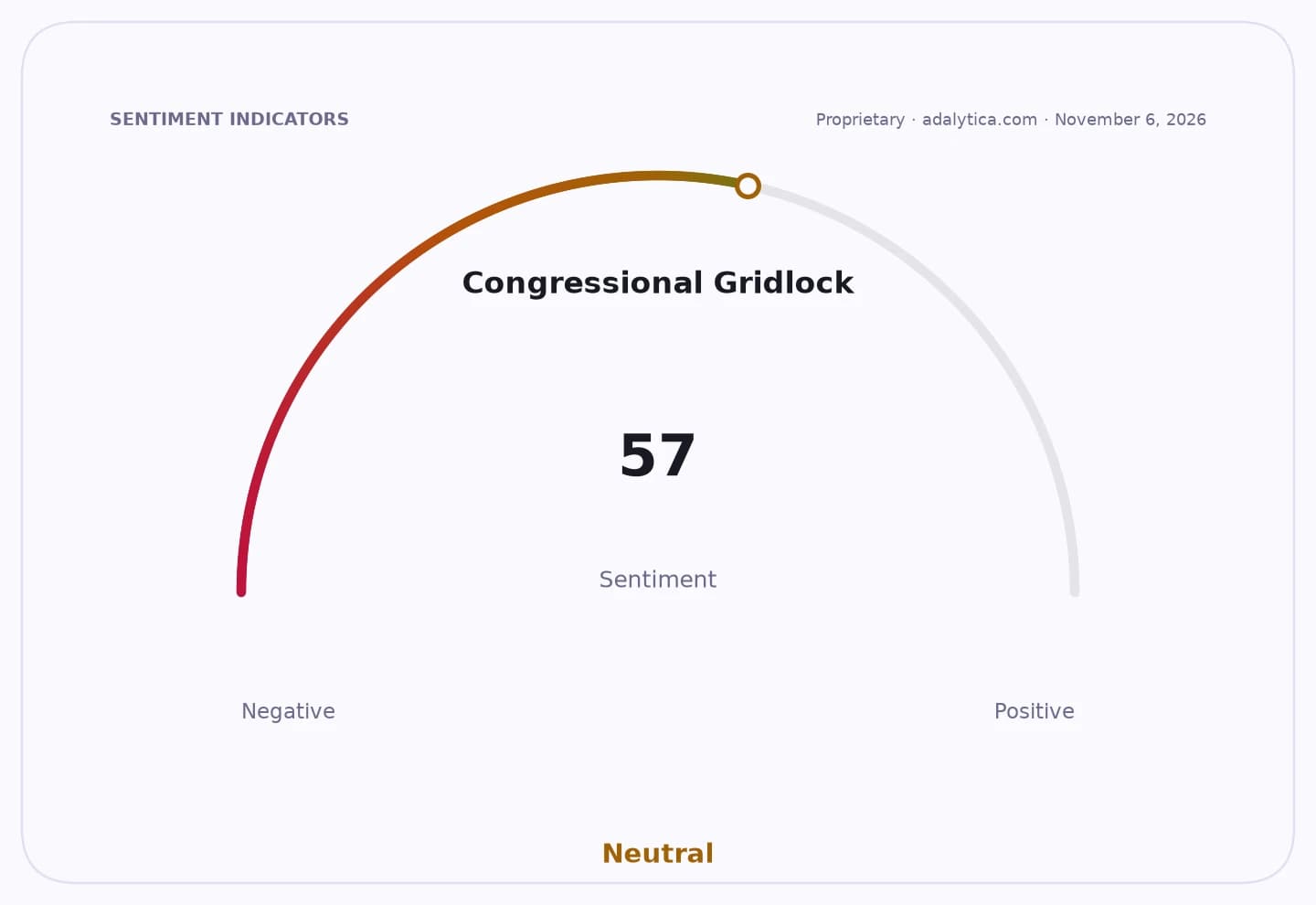
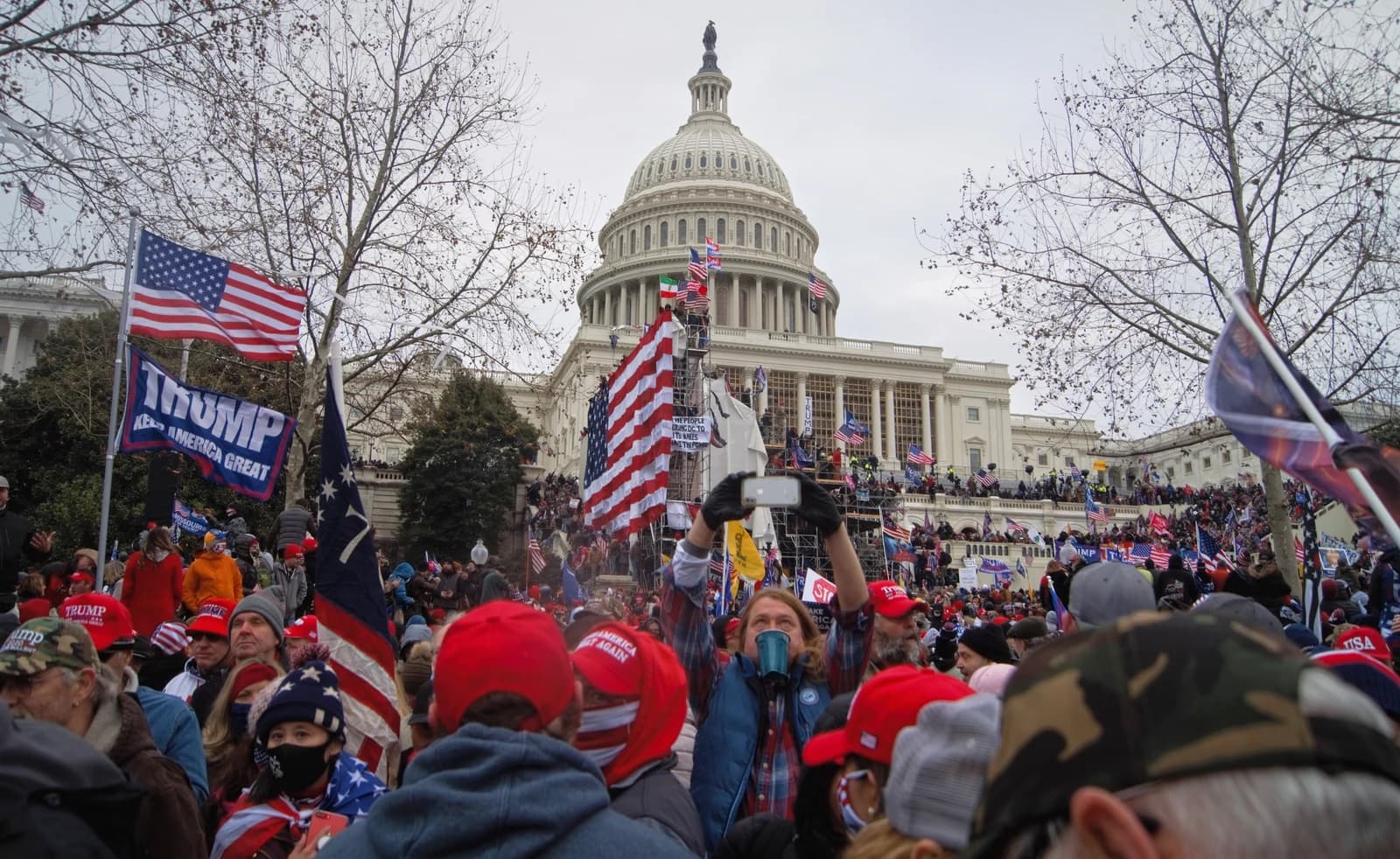
American politics is becoming less predictable for investors just as the 2026 midterms approach, with new polling showing confidence in the electoral process deteriorating even as the country remains locked into a deeply polarized presidential map.
US Politics, Yields Pressure Stocks
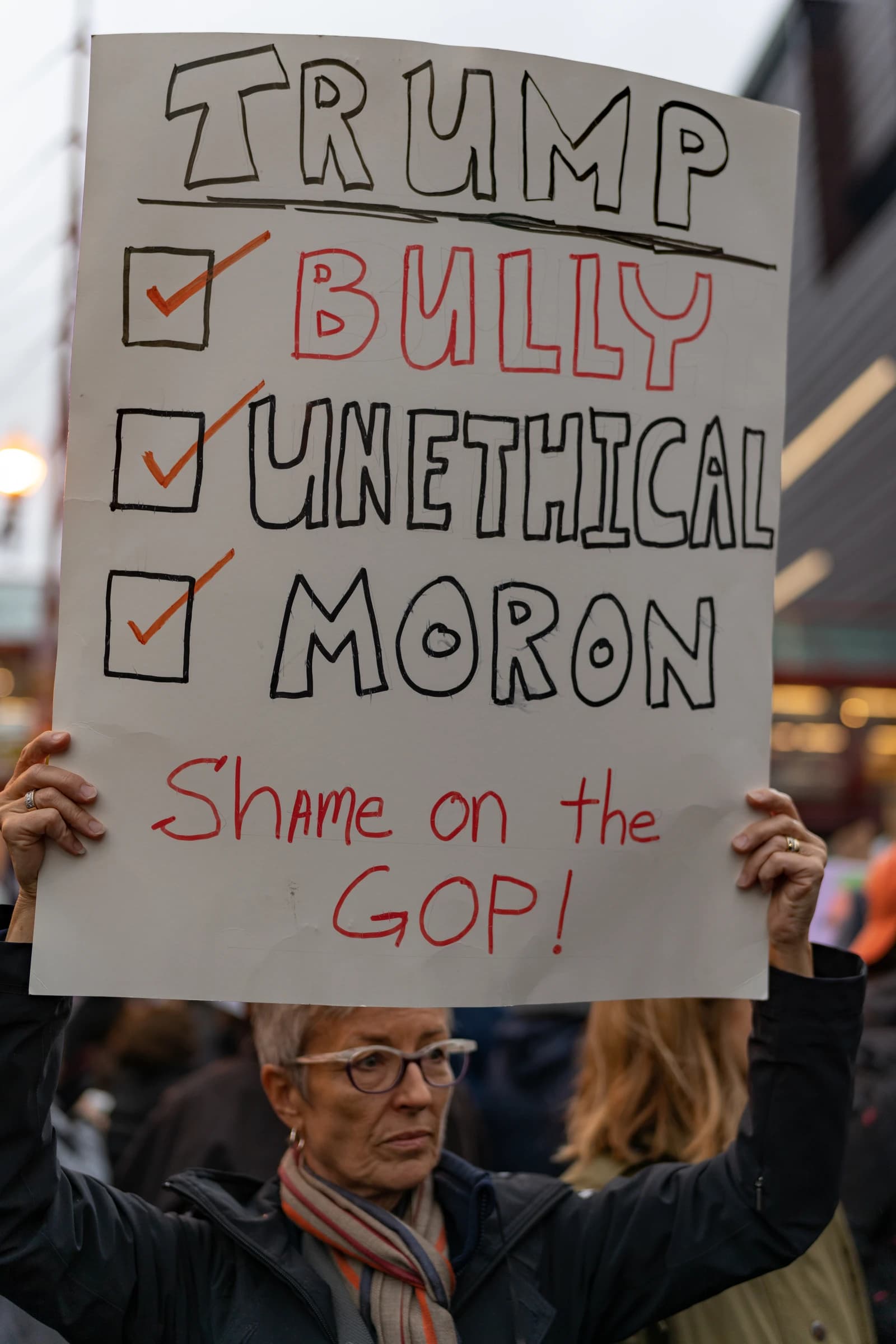
That matters because fractured politics is no longer just a civic problem; it is a macro risk. When voters do not trust the process, policy outcomes become harder to forecast, legislative bargaining gets uglier and markets face a higher premium for uncertainty around taxes, spending, regulation and trade. For asset allocators, the real issue is not who wins a headline race, but whether the next Congress can govern at all.
Sentiment Indicators
The latest University of Michigan consumer sentiment reading fell to 48.1 in September, down from 51.7 in August and 55.2 in July, underscoring how political tension and economic unease are feeding into a weaker household outlook. That is a problem for growth, since consumer confidence is closely tied to spending behavior, and it arrives as investors are already weighing the impact of persistently elevated Treasury yields and a still-fragile risk appetite.
At the same time, the 10-year Treasury yield is hovering around 4.8% to 4.9%, a level that keeps pressure on equity valuations and reinforces the market’s preference for cash-generating businesses over speculative growth. SPY has been volatile as well, with the S&P 500 ETF slipping to 735.29 on Nov. 6 from 766.81 the day before, while its 50-day moving average sat near 765 and the 200-day around 728. That kind of chop is exactly what you get when politics, rates and sentiment collide.
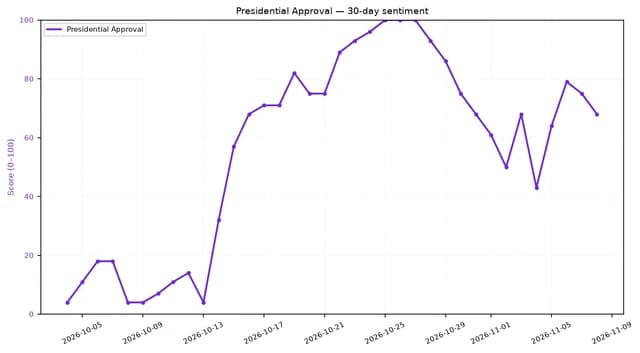
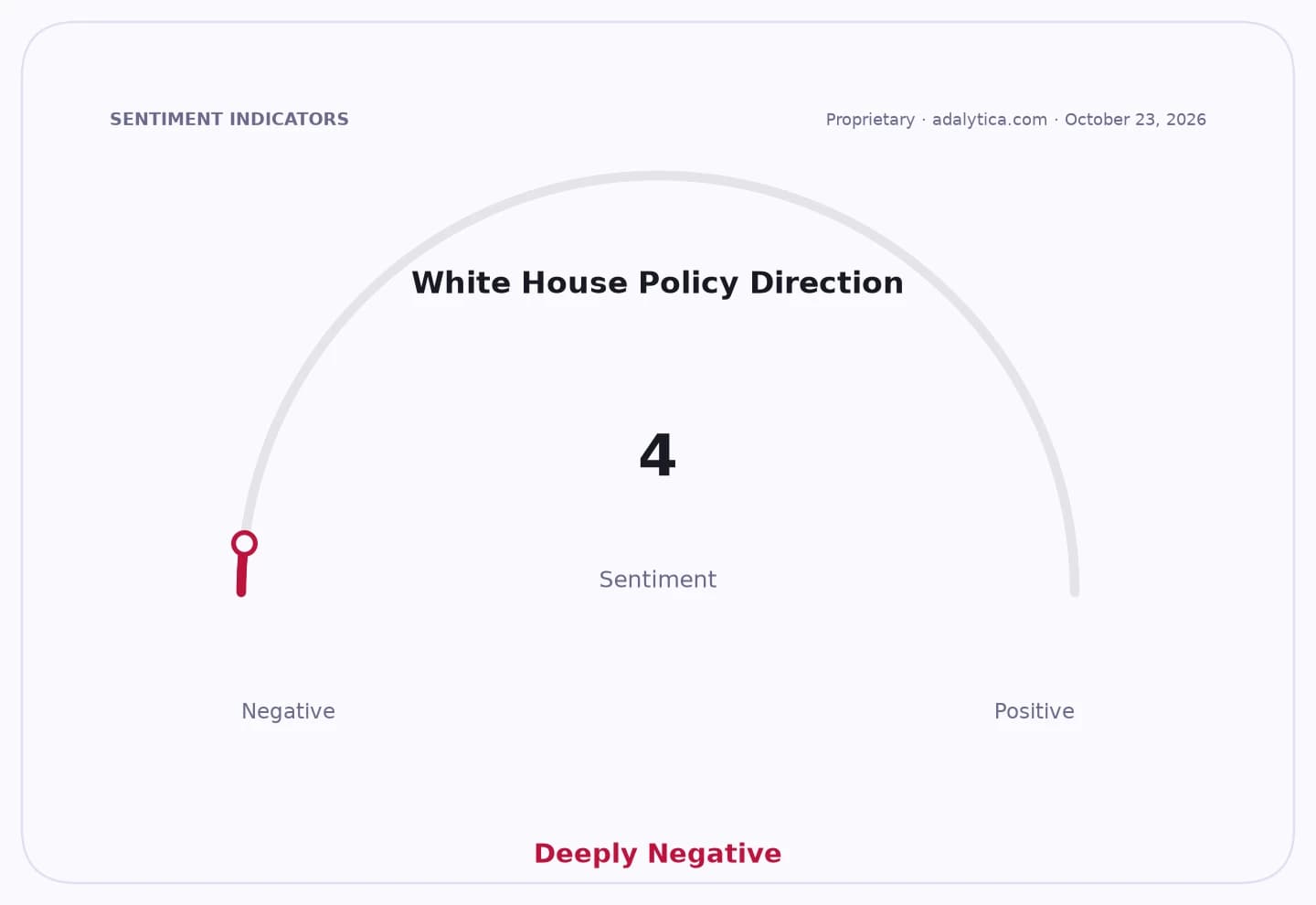
The political backdrop is just as combustible. Adalytica’s US Presidential Approval Sentiment shows sentiment at 68, down from 75 a day earlier, while White House policy-direction sentiment sits at 82, signaling that investors are still focused on the administration’s ability to shape the next phase of the cycle. But the more important message is in the widening disconnect between approval, awareness and trust: attention is intense, conviction is shaky and the market is being forced to price in more headline risk.
That is why the investable story here is not simply “election noise.” It is the rising value of resilience. Companies that can pass through inflation, defend margins and stay insulated from policy swings should command a premium. That argues for staples, defense, select industrials, regulated infrastructure and firms with domestic cash flows that are less exposed to election-driven shocks. It also argues against businesses dependent on falling rates, easy fiscal policy or a smooth legislative path.
The market is underestimating how much a polarized America can reshape capital flows over the next year. If Congress becomes more divided and election disputes intensify, expect more demand for Treasuries in risk-off bursts, more volatility in consumer-facing stocks and a stronger bid for assets tied to security, energy reliability and domestic reindustrialization. In that environment, the winners are companies that sell certainty.
The takeaway is clear: this is not the time to chase broad beta. The best opportunity is in the picks-and-shovels of political dysfunction — firms that benefit from volatility, protection and infrastructure spending while the rest of the market gets trapped in the crossfire.
| Entity | Gains | Losses |
|---|---|---|
| Defensive stocks | ▲safer cash flows | ▼less upside in rallies |
| Defense contractors | ▲higher security spending | ▼policy cut risk if gridlock eases |
| Consumer discretionary | ▲selective pricing power names | ▼confidence-sensitive retailers |
| Long-duration growth | ▲relief if rates fall | ▼valuation pressure at 4.8%-plus yields |