Vice President JD Vance is trying to carve out his own lane inside the Republican coalition by appealing to voters who backed Donald Trump but have grown uneasy with his foreign policy, a move that could shape the early contours of the 2028 presidential contest.
JD Vance Courts Anti-War Republican Voters
That matters because the next Republican nominee will likely be chosen not just on domestic economics, but on whether the party stays anchored to Trump’s hardline global posture or shifts toward a more restrained, “America First” isolationism. For investors, the debate is not abstract: it speaks to future policy on defense spending, energy markets, sanctions, trade and the dollar, all of which can move capital flows and sector leadership over time.
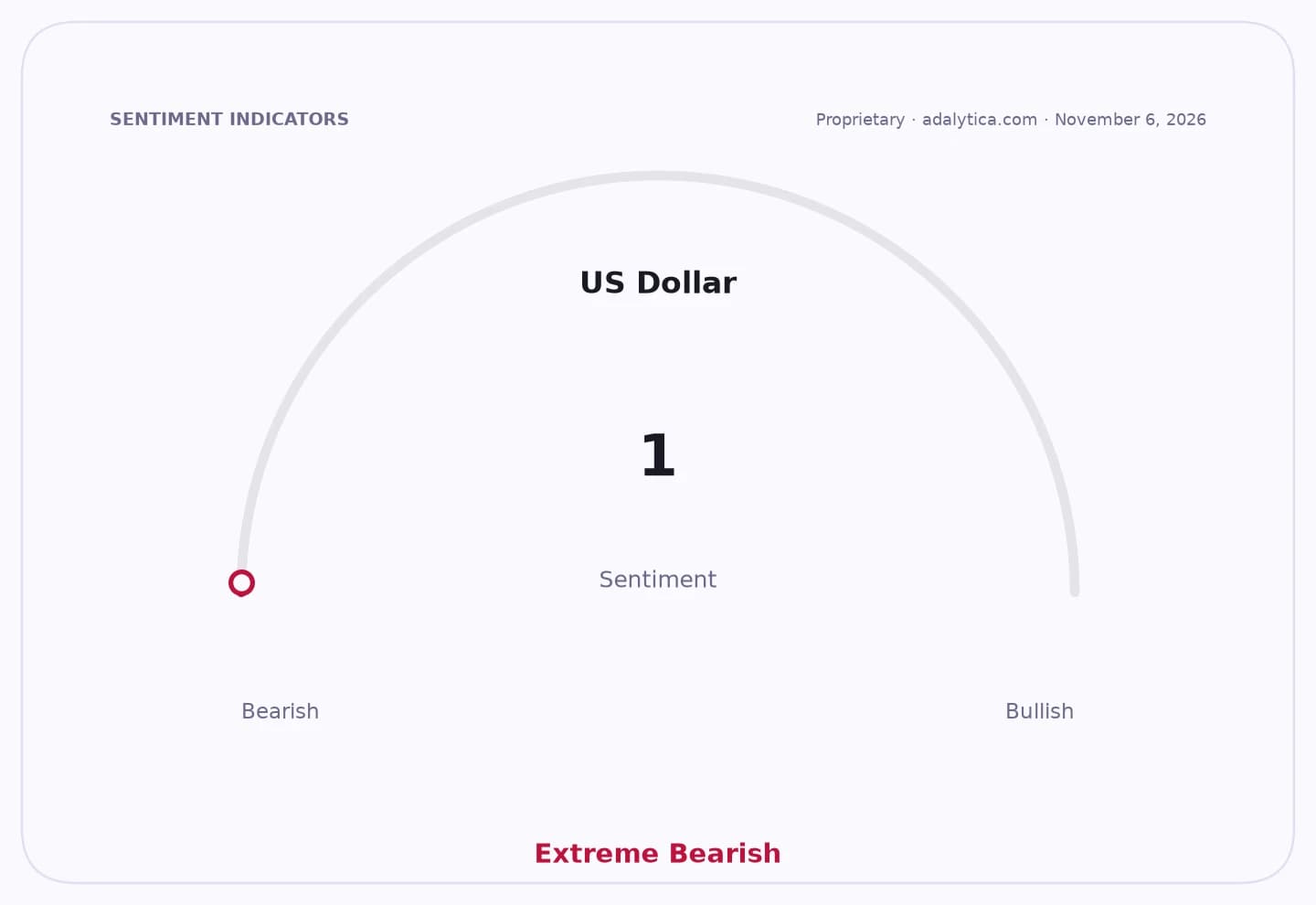
Sentiment Indicators
Fox News reported that Vance’s recent post on X blaming the war with Iran for the Republican defeat in the midterm election was less a break with Trump than an effort to signal to “new right” Republicans that he shares their frustration with foreign entanglements. In the post, Vance laid out four themes he said polls show could help Republicans win back support: ending the war with Iran, focusing on the cost of living and inflation, staying true to America First principles and rethinking the relationship with Israel.
That is an important political distinction. Vance is not rejecting Trump’s movement; he is trying to inherit it. But by emphasizing the war with Iran and the need to revisit U.S.-Israel ties, he is also showing that the foreign-policy wing of the GOP may be more fluid than Trump himself would like. Fox said administration sources view the message as an appeal to a “new right” coalition of Republicans who support Trump’s original anti-interventionist instincts but not necessarily his latest geopolitical choices.
For markets, the immediate impact is limited. FOXA shares have been trading near $66.64, above both the 50-day moving average of $64.85 and the 200-day average of $61.83, while FOX closed at $59.50, also above its 200-day average. That suggests investors are not pricing this as a company-specific shock. But the broader political narrative is worth watching because Fox News sits at the center of the ecosystem that helps define Republican politics, and any shift in the party’s foreign-policy message can influence how the next administration approaches military engagement, alliances and global risk.
The bigger lesson for long-term investors is that the Republican coalition is still being renegotiated in real time. If Vance succeeds in making himself the preferred heir to Trump’s disaffected voters, the party could move toward a harder economic populism paired with a less interventionist foreign policy. That combination would matter for defense contractors, oil and gas producers, multinational exporters and any company exposed to tariffs, sanctions or supply-chain disruption.
For now, this is less a clean rupture than a positioning move. Vance wants the voters who like Trump’s economics but not his geopolitics, and that makes him a potentially formidable 2028 contender. Investors should keep the story on the watchlist, because the policy direction of the next Republican standard-bearer could prove far more consequential than the latest headline suggests.
| Entity | Gains | Losses |
|---|---|---|
| JD Vance | ▲GOP dissenters’ support | ▼Trump loyalists wary of split |
| Trump’s foreign-policy line | ▲Attention and debate | ▼Party unity on geopolitics |
| Defense and risk assets | ▲Potentially less hawkish policy clarity | ▼Higher policy uncertainty |
| Fox/FOXA | ▲Political relevance | ▼Exposure to partisan backlash |