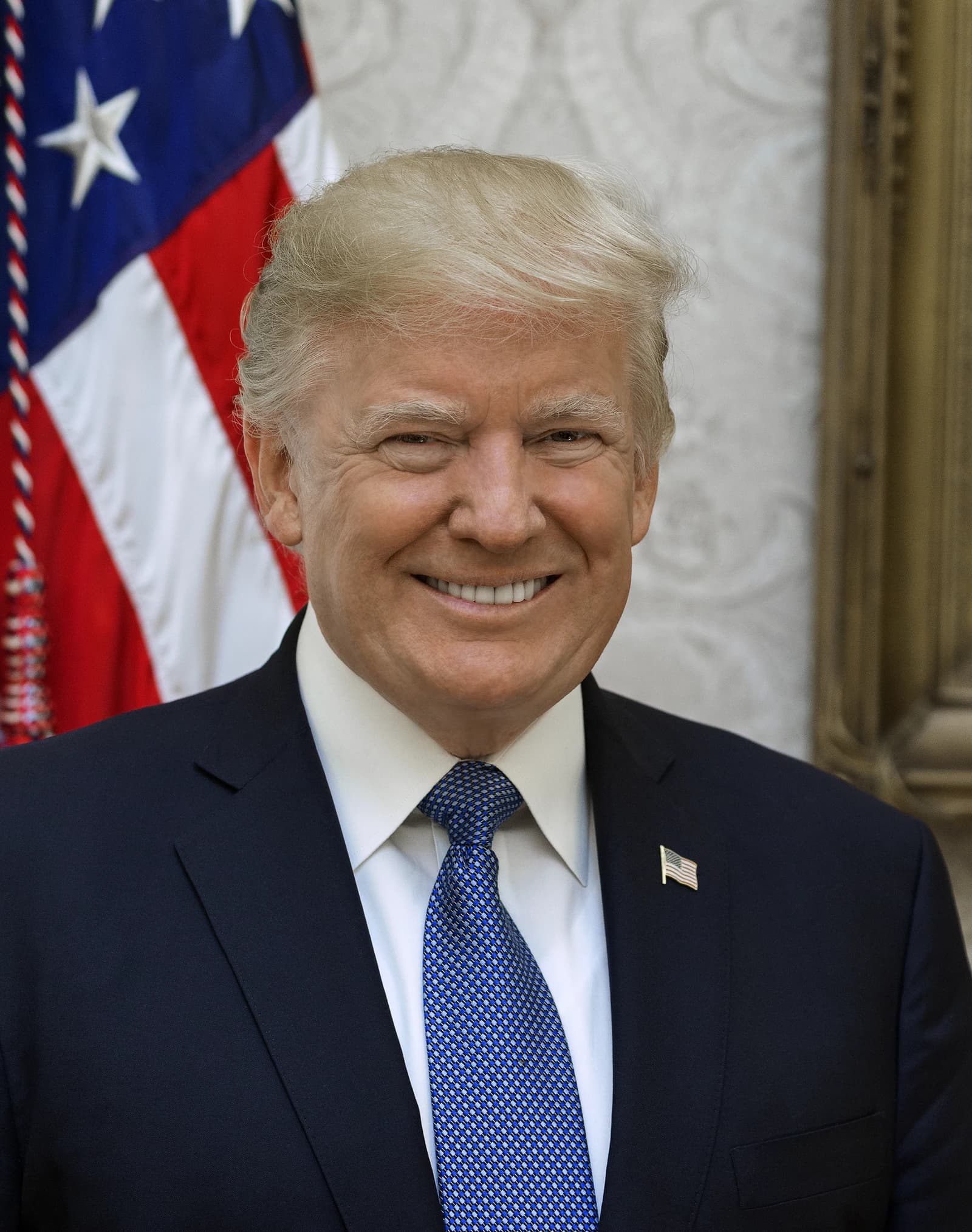
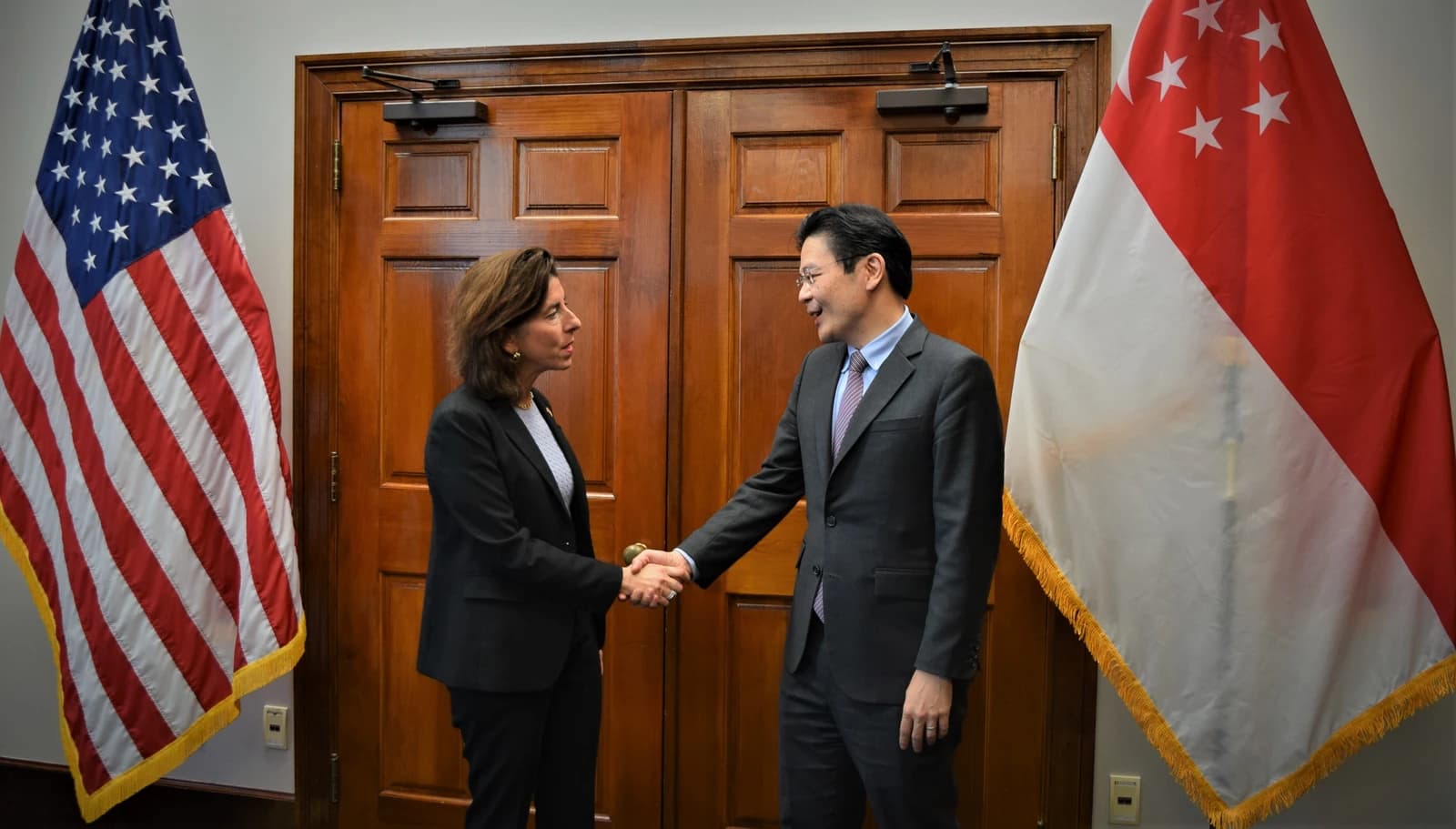
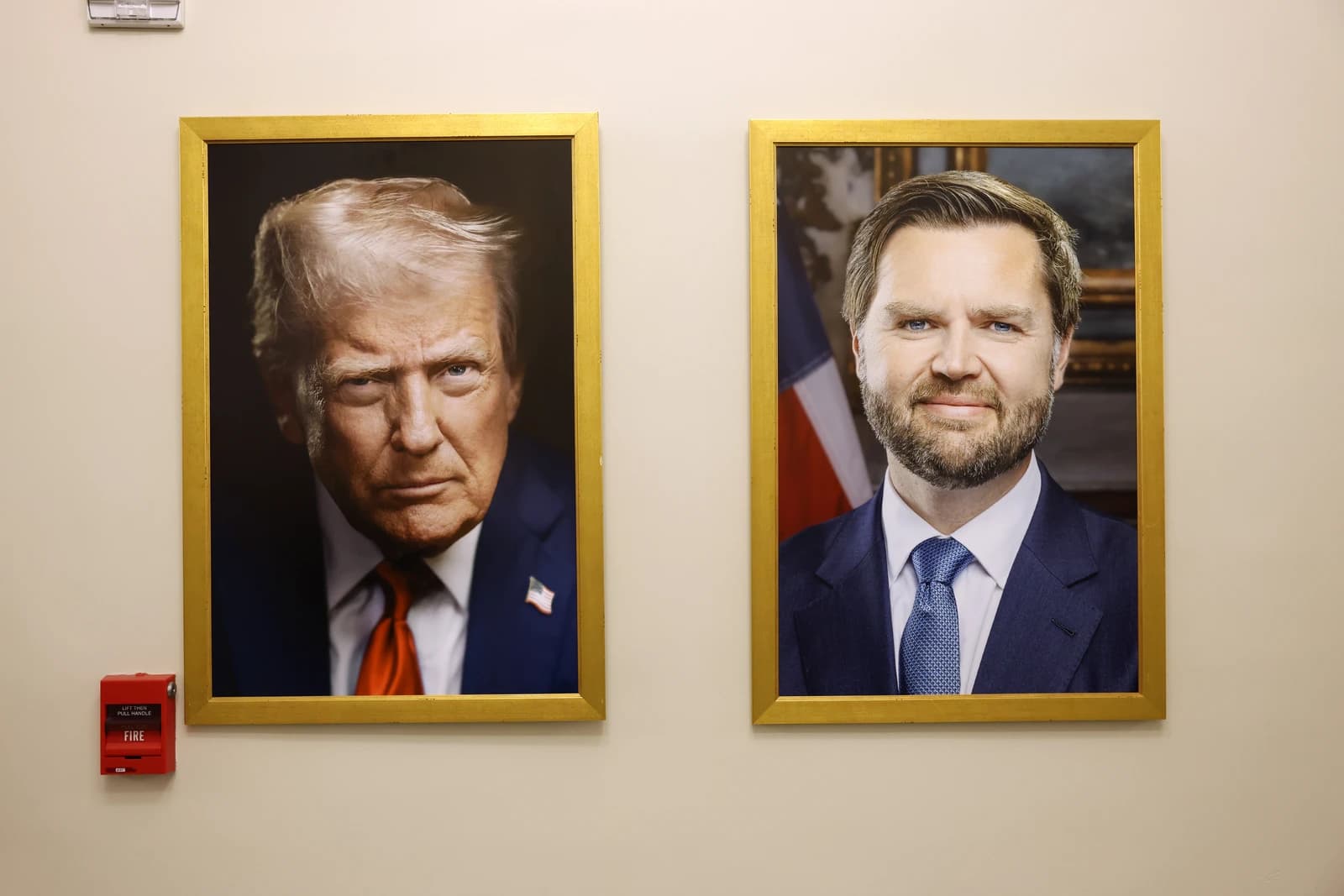
Democrats’ loss of congressional power is set to narrow Donald Trump’s room to push fresh tariffs and corporate pressure campaigns, even as the president is expected to double down on executive action and foreign-policy dealmaking.
QQQ, SPY, XLF After Midterm Policy Shift

The biggest economic consequence is that a Democratic-controlled Congress would likely slow or block new trade restrictions, investment demands and Pentagon-driven cuts that could ripple through imports, industrials, energy and defense. Market participants see that as a partial check on policy volatility after months in which tariff headlines and intervention risks have weighed on equities and planning.
Sentiment Indicators
For investors, the shift matters most because it changes the odds of a wider regulatory offensive against Big Tech and Wall Street. Antitrust probes, privacy enforcement and tougher oversight of platform power and financial dealmaking have been key political risks for large-cap U.S. stocks, and the prospect of divided government may make it harder for Washington to coordinate new restrictions.
The reaction lens is clear in megacap tech and broader U.S. equities. The Nasdaq-100 ETF QQQ closed at 656.1 on Nov. 6, well below its recent highs and under its 50-day moving average of 720.75, while the S&P 500 ETF SPY ended at 735.29, also below its 50-day average of 765.15. Both gauges have weakened in recent sessions, with QQQ’s RSI at 30.5 and SPY’s at 34.9, conventional technical indicators that point to stretched selling pressure.
S&P 500
Wall Street is also reading the election as a potential brake on policy moves that could hit bank revenues or deal activity. The Financial Select Sector SPDR Fund, XLF, closed at 57.16, above its 200-day average of 53.52 but down from the week’s early strength, suggesting traders are still pricing in some relief rather than a clean breakout.
The clearest losers under a Democratic Congress would be tariff hawks, agencies pushing aggressive enforcement and companies dependent on policy favors such as Korean defense or energy partners seeking U.S. support. The clearest winners are multinational importers, Big Tech, large banks and allies such as South Korea, which could face fewer forced concessions on trade and defense spending.
Still, Trump retains a powerful tool: the veto. That means any attempt by Congress to formally limit tariffs or executive leverage may require Republican cooperation, reducing the near-term certainty of a policy reset.
On security policy, analysts said Democrats are more likely to resist cuts to U.S. troops in South Korea and could scrutinize ambitions such as nuclear-powered submarines and faster wartime command transfer, especially on nonproliferation grounds. On North Korea, Trump may be pushed to seek a headline-grabbing summit, but Congress could make it harder for him to trade sanctions relief or military reductions for a meeting.
| Entity | Gains | Losses |
|---|---|---|
| Big Tech | ▲Lower odds of new curbs | ▼Less political cover for rivals |
| Wall Street banks | ▲Fewer regulatory surprises | ▼More scrutiny on deal pressure |
| Importers and allies | ▲Reduced tariff risk | ▼Less leverage in negotiations |
| Tariff hawks and defense hardliners | ▲— | ▼More congressional resistance |