Germany’s fragmented municipal utility sector is coming under mounting pressure from the billions of euros needed for grid expansion, digitalization and the broader energy transition, raising the odds of a new wave of takeovers and strategic combinations.
Germany municipal utilities face consolidation pressure

With more than 850 electricity and gas network operators in Germany, most of them city-owned utilities, many are now hitting financial and organizational limits. That matters because the country’s energy transition depends on upgrading local grids fast enough to connect renewables, electric-vehicle charging and heat pumps without overwhelming balance sheets.
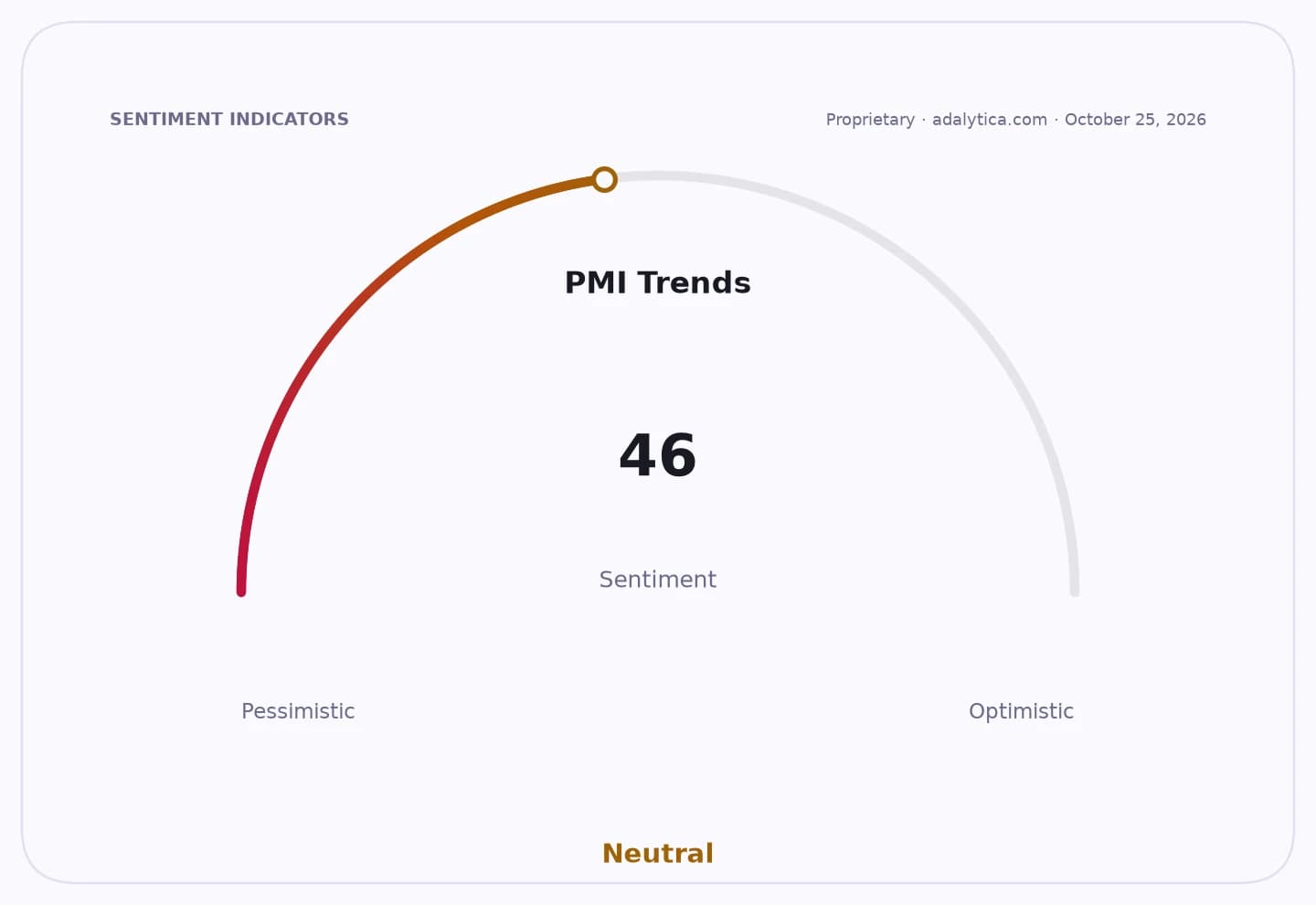
Sentiment Indicators
The strain is increasingly structural rather than cyclical. Smaller municipal utilities typically lack the scale to fund heavy capital spending, recruit specialized staff and manage the regulatory complexity that comes with modernizing grids and operating increasingly digital networks. As costs rise, consolidation becomes one of the few ways to spread investment risk and preserve access to capital.
For investors, the story points to a reshaping of Germany’s utility landscape. Larger regional players and financially stronger municipal groups stand to benefit from acquisitions and network roll-ups, while weaker operators could become takeover targets or be forced into partnerships. That creates potential upside in scale names, but also raises execution risk around regulation, financing and integration.
The theme also fits a broader European utility trend: local monopolies are no longer sheltered by stable regulated demand alone. They need to finance large, front-loaded investment programs at a time when households and businesses are under pressure from high energy costs and public budgets are tighter.
The next catalyst will be whether city councils, municipal owners and regulators move from warning signs to formal merger plans, asset sales or joint ventures. If that happens, consolidation could accelerate quickly across one of Europe’s most fragmented utility markets.
| Entity | Gains | Losses |
|---|---|---|
| Larger municipal utilities | ▲Scale and acquisition opportunities | ▼Higher integration burden |
| Small network operators | ▲Potential lifeline via merger | ▼Independence and bargaining power |
| Investors in stronger utilities | ▲Growth through consolidation | ▼Regulatory and execution risk |
| German municipalities | ▲More resilient utility structures | ▼Local control over assets |