Germany’s retail sector could be heading into a staffing squeeze that goes far beyond missing shifts on the shop floor: the country may be short 39,100 sales workers by 2029, according to a new study, and the broader economy could face a total gap of 723,000 skilled employees.
Germany Retail Faces 39,100 Sales Worker Shortage
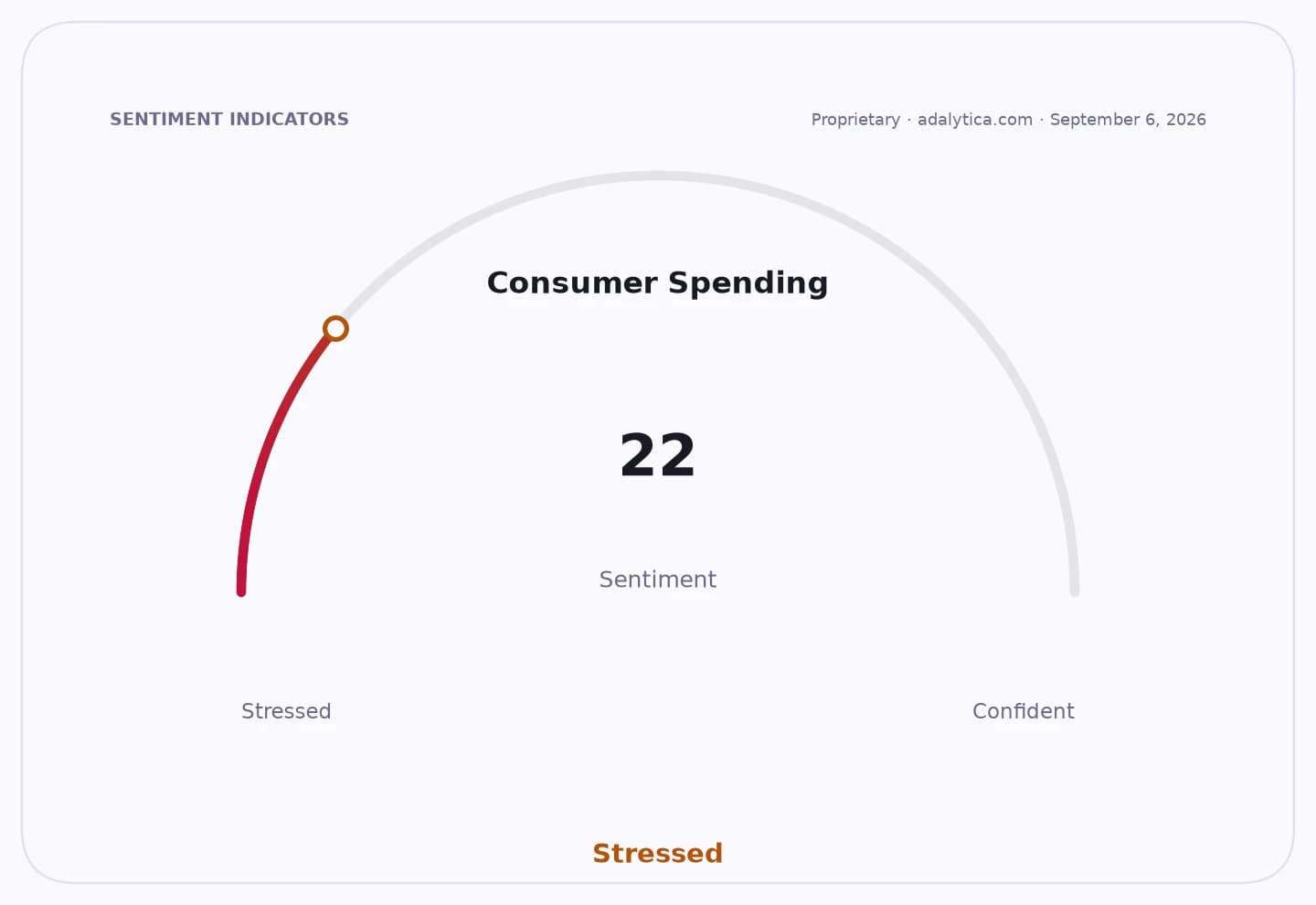
That matters because labor scarcity is no longer just a wage story. In a country already wrestling with weak consumer spending and fierce online competition, fewer people to advise shoppers, manage stock and keep stores running could erode the one advantage brick-and-mortar retail still has over e-commerce: personal service.
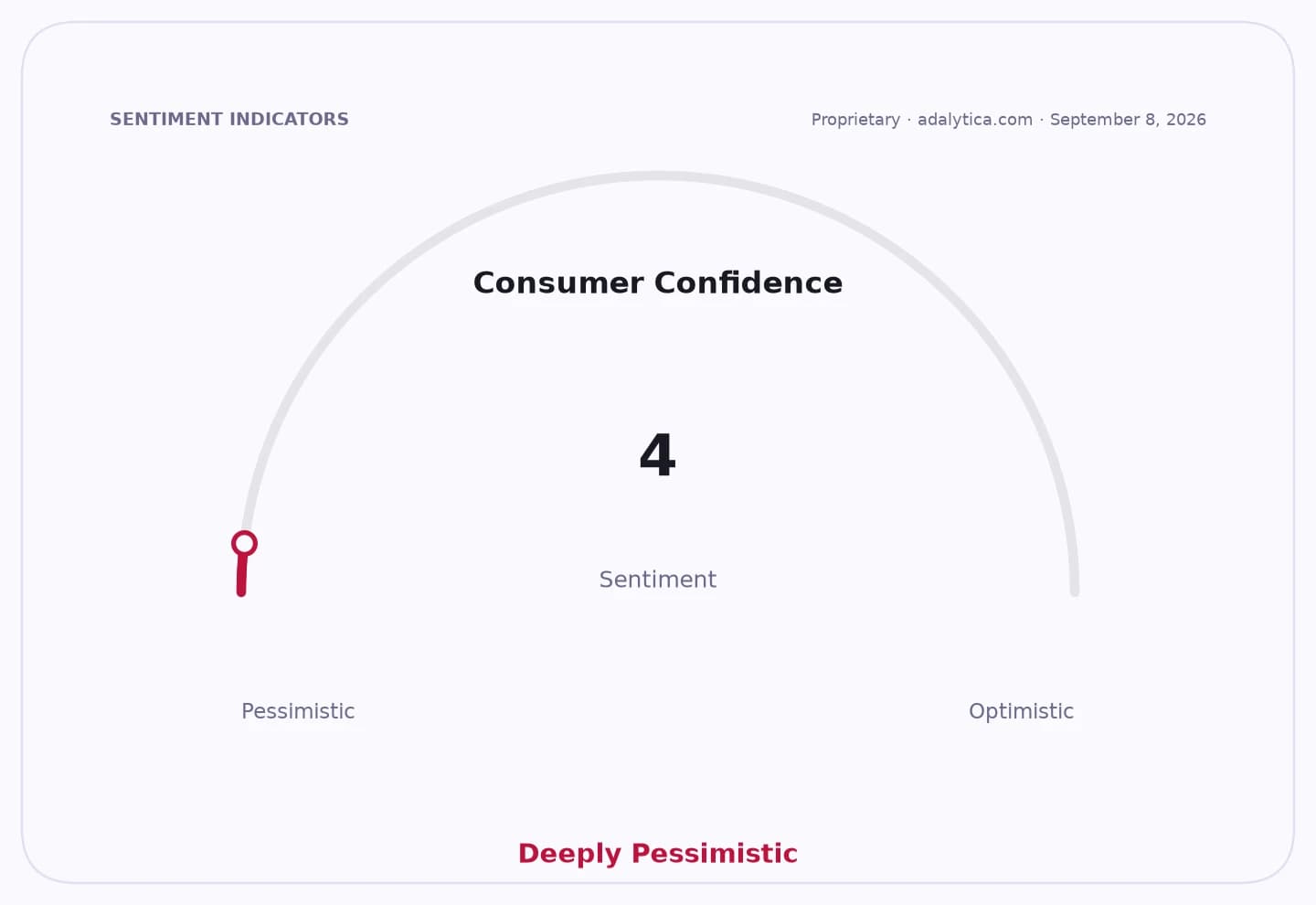
Sentiment IndicatorsⓘProprietary · adalytica.com · September 8, 2026
This is a snapshot — live sentiment, awareness and momentum for 130+ markets update continuously in the dashboard.Open AlphaPulse
The study from the employer-linked German Economic Institute says the shortfall in sales staff would be the largest of any occupation by the end of the decade. It also flags rising shortages in childcare, social work, nursing and construction-related trades, underscoring that Germany’s labor crunch is becoming structural rather than cyclical.
For investors, the implication is clear: companies and sectors that depend on human service will need to do more with less, and that usually means higher labor costs, thinner margins or more automation spending. Retailers will likely accelerate self-checkout, digital ordering tools and other labor-saving systems. That may protect profitability, but it can also weaken the in-store experience that keeps customers loyal.
The risk extends well beyond retail. An aging workforce and too few young entrants are driving the problem, while the study says weaker inflows from abroad could make it worse. If Germany cannot raise labor participation or attract more skilled immigration, the shortage could become a drag on growth just as the economy needs more capacity, not less.
There is also a competitive angle for long-term investors. Stores that can combine efficient operations with strong service may gain share, while those that rely on thin staffing could lose traffic to online rivals. In categories like home improvement, apparel and kitchens, where advice still matters, labor quality may become a bigger differentiator than price.
Advisors to the sector have a simple message: this is not a one-quarter problem. It is a years-long structural constraint that could reshape German retail, pressure consumer-facing businesses and force more automation across the economy. For investors, that makes labor efficiency, pricing power and the ability to retain talent worth watching closely.
| Entity | Gains | Losses |
|---|---|---|
| Retailers with automation | ▲Lower staffing pressure | ▼Upfront tech costs |
| Shoppers seeking service | ▲Better-run stores | ▼Less personal advice |
| Online retailers | ▲More traffic from stores | ▼Fewer in-store conversions |
| Germany’s economy | ▲Incentive for productivity gains | ▼Higher wage and capacity strain |