Ikea is doing what good long-term retailers often do in a downturn: choosing market share over margin. The flat-pack furniture giant is cutting prices on about 1,500 products by 15% to 25% across more than 20 European countries, including Ireland, in a €1.2 billion move aimed at keeping cash-strapped shoppers in the stores even as it takes a direct hit to profitability.
Ikea Cuts Prices on 1,500 Products in Europe
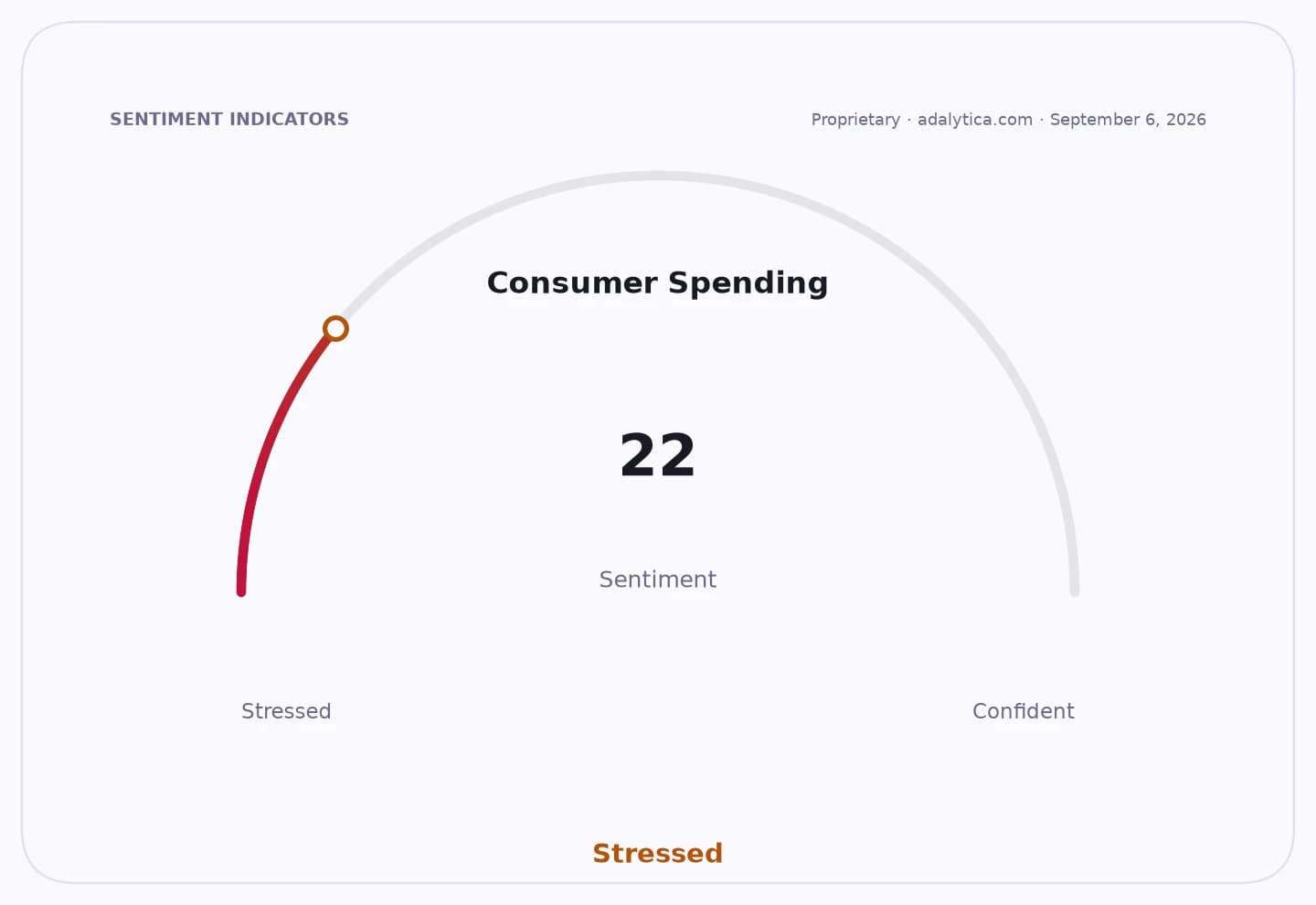
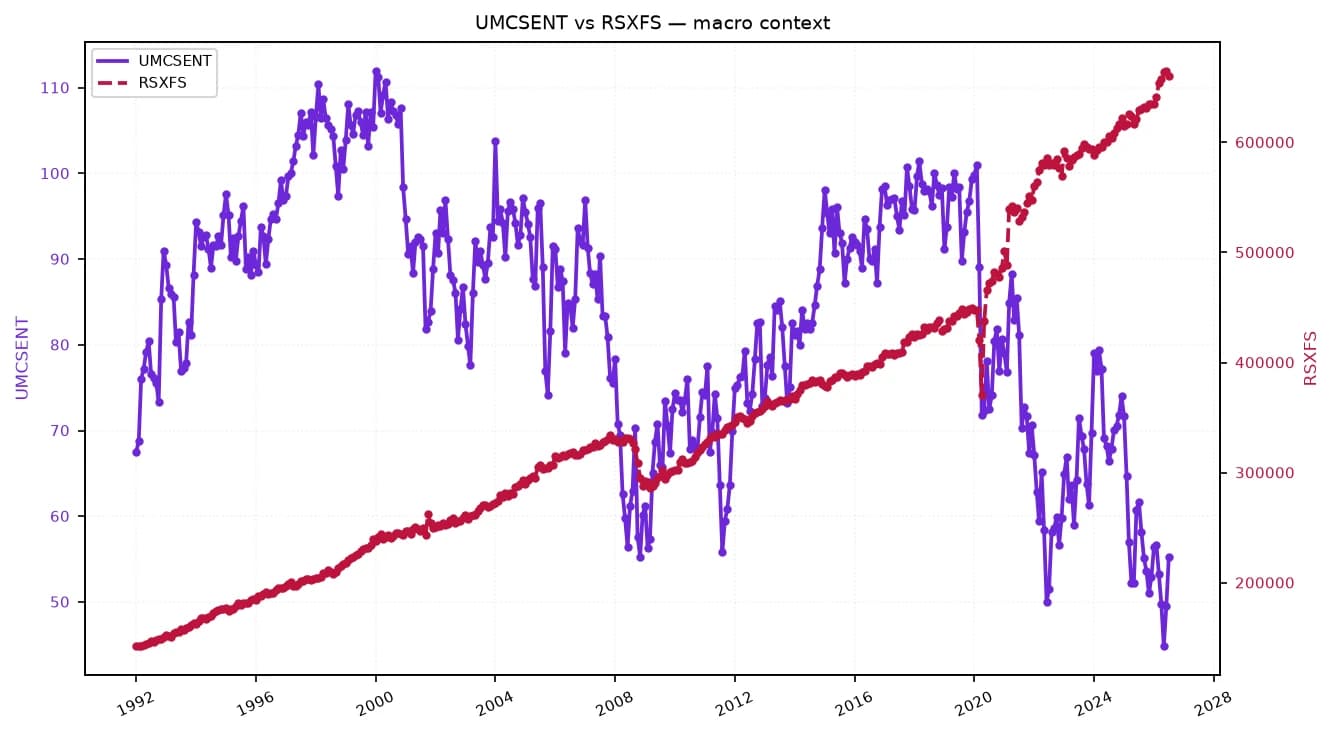
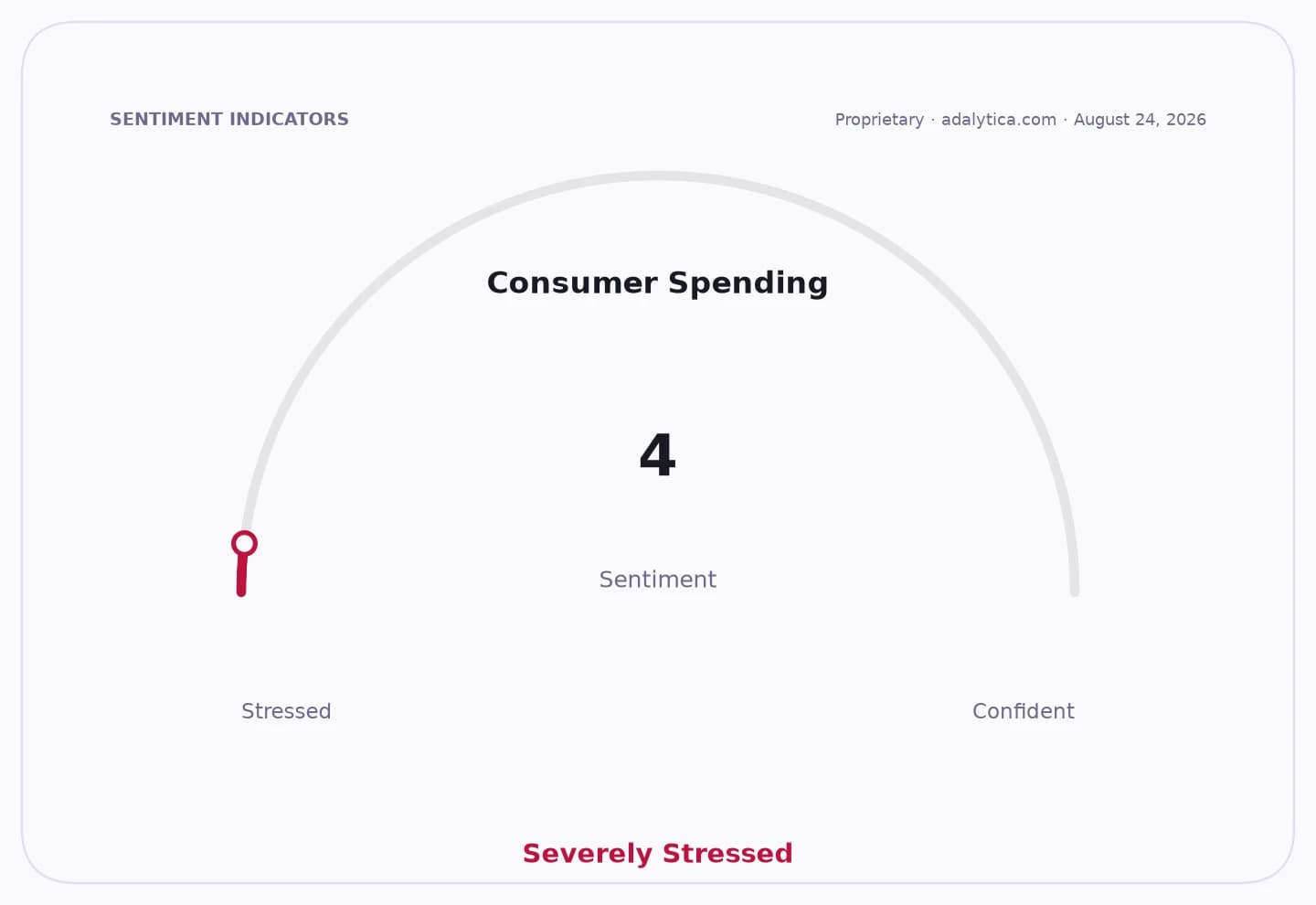
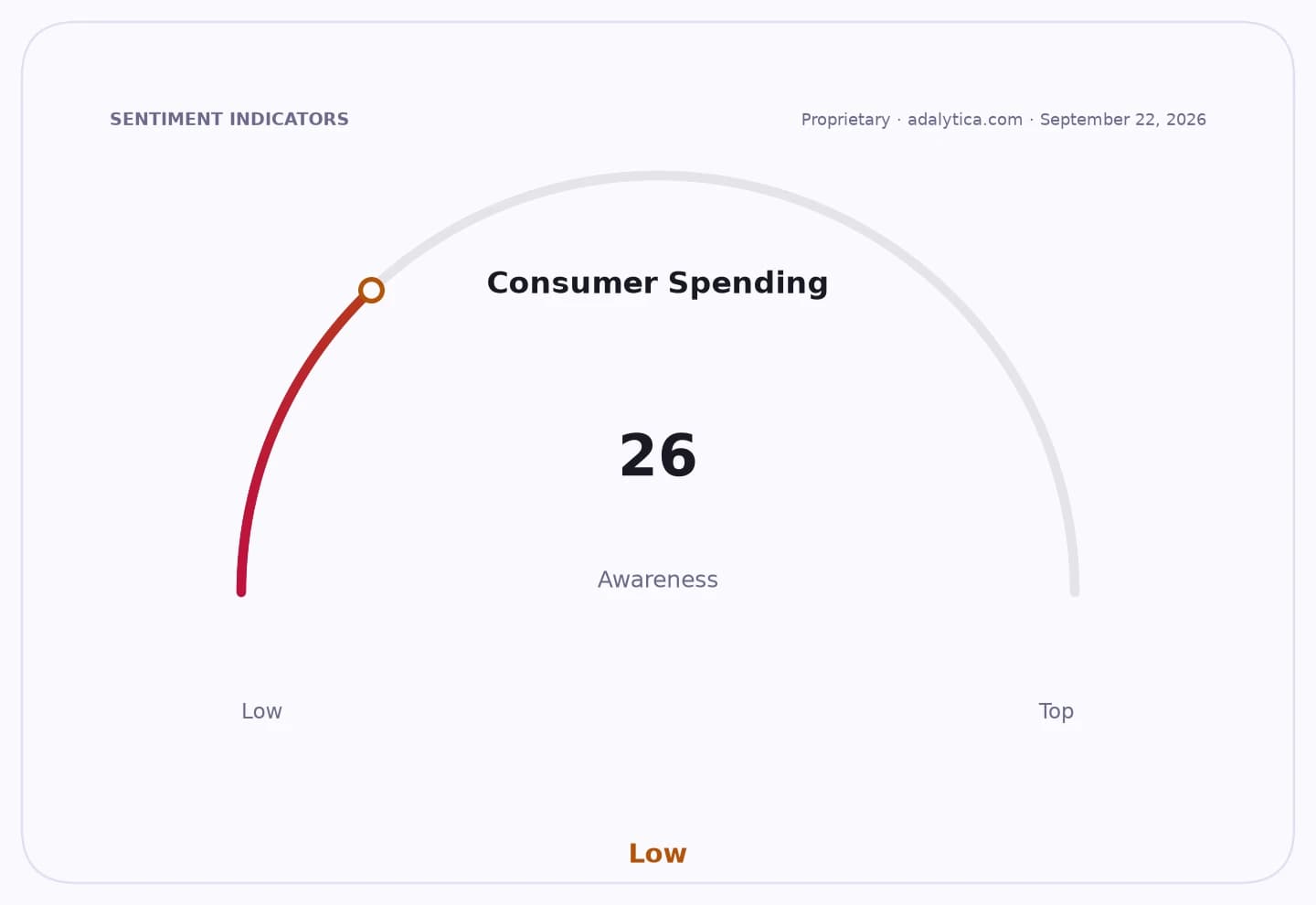
That matters because Ikea is not just discounting a few slow sellers. It is lowering prices on some of its best-known products, including Billy bookshelves and Kallax storage units, in a clear sign that management sees consumer weakness as persistent rather than temporary. The company says European consumer confidence remains near a three-year low, and that message is reinforced by broader sentiment data showing households still feeling squeezed by inflation and energy costs.
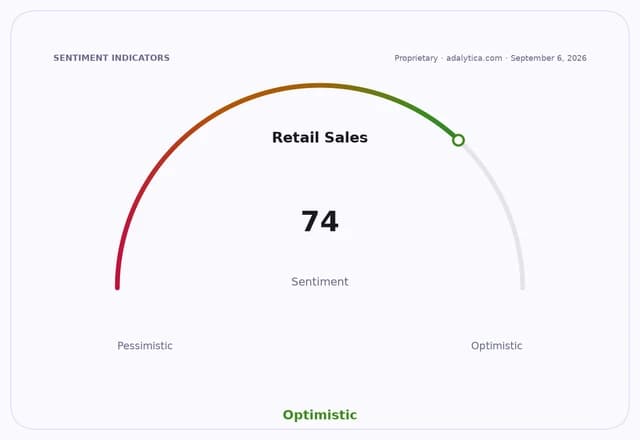
For investors, the immediate effect is obvious: margins will take a hit. Ikea’s leadership has already acknowledged as much, and this is not a one-off stunt. Inter Ikea says the cuts are a long-term commitment, which tells you the company is willing to absorb lower near-term earnings to protect its brand and preserve volume over time. That is exactly the sort of decision a retailer with a strong supply chain and scale can afford to make, and it can be a competitive advantage when smaller rivals are forced to hold prices steady.
The broader economic read-through is even more important. When a household-name retailer cuts prices this aggressively, it is usually responding to a customer base that has become more selective, more value-driven and less willing to trade up. That can keep traffic alive, but it also confirms that discretionary spending remains fragile across Europe. The timing is especially notable after sentiment weakened again as geopolitical and inflation worries returned, leaving retailers with little room to rely on a broad consumer rebound.
There is also a useful lesson here for investors looking beyond the next quarter. Retailers with global sourcing, efficient logistics and pricing power can defend share by passing savings on to customers, while weaker players may have to choose between traffic and profitability. Ikea has done this before, including in 2023, but the latest round suggests the pressure is still there. In a world where consumers are still guarding their wallets, the companies that can lower prices without breaking their business model are often the ones that emerge stronger.
For long-term investors, that makes Ikea worth watching, not because lower prices are exciting, but because they show how resilient brands can use tough periods to deepen loyalty. If consumer confidence eventually improves, the retailers that kept serving value today are often the ones best positioned to benefit tomorrow.
| Entity | Gains | Losses |
|---|---|---|
| Ikea | ▲Higher traffic; share defense | ▼Near-term profit margin |
| Budget shoppers | ▲Lower prices; better affordability | ▼Less product choice if rivals retreat |
| Rival furniture sellers | ▲— | ▼More pricing pressure |
| Consumers | ▲Relief from cost-of-living pressure | ▼Confidence remains weak |