Germany is effectively giving away a 13th-century castle in Saxony for €1, underscoring how expensive heritage preservation can overwhelm even valuable historic assets and create a rare opportunity for deep-pocketed investors willing to bankroll a full restoration.
Germany offers Saxony castle for €1, needs €20M restore
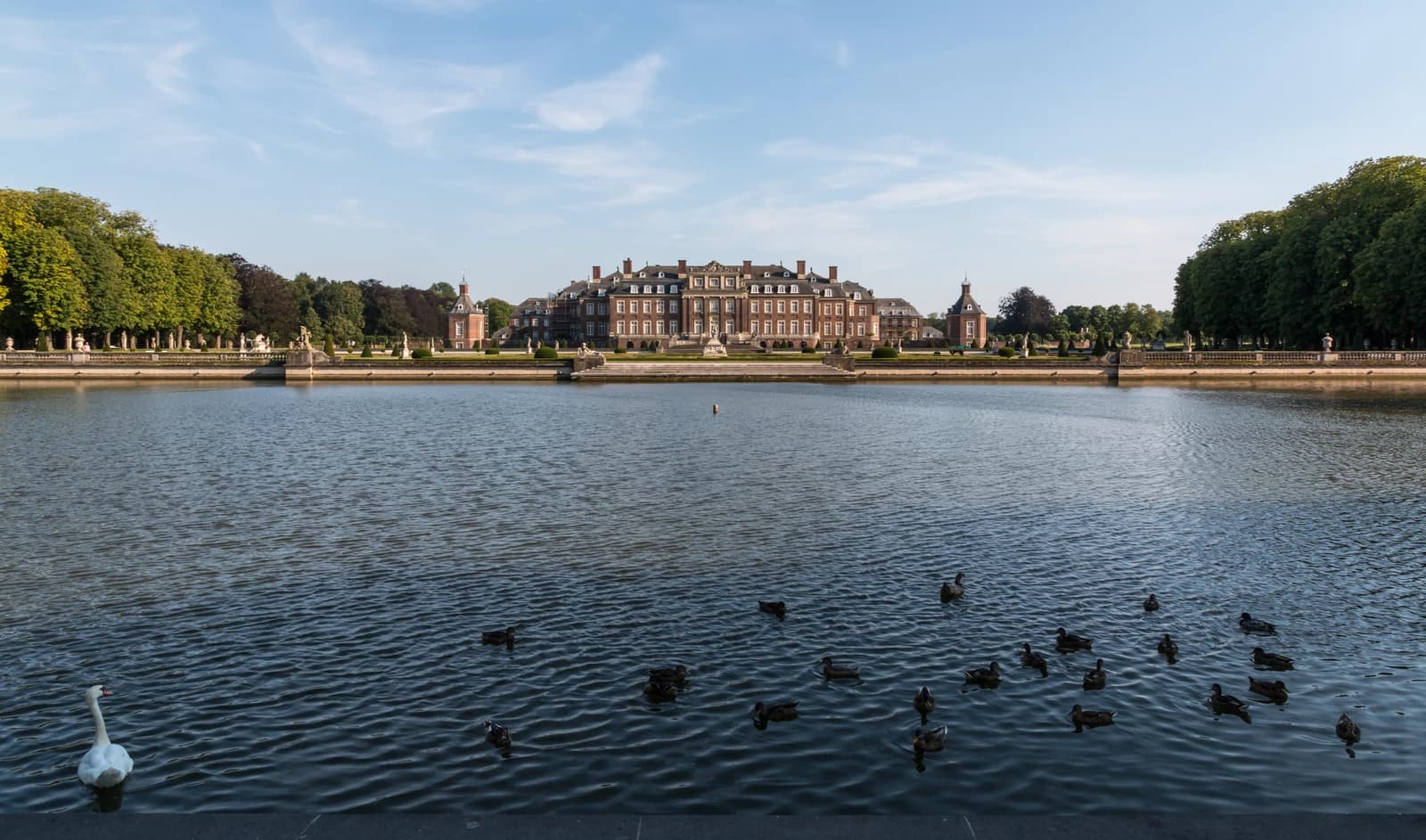
The real price tag is not the symbolic euro. Whoever buys Schloss Schnaditz in Bad Düben will need to spend about €20 million to repair and restore the 1,012-square-meter property, according to local officials and Bild. For investors, that transforms the story from a novelty into a hard-nosed capital-allocation decision: the asset is cheap because the rehabilitation bill is enormous.
That matters economically because it highlights the growing gap between the value of historic real estate and the cost of keeping it standing. European municipalities are increasingly reluctant to carry the burden of aging castles, mansions and public monuments when maintenance, safety and compliance costs rise faster than local budgets. In practice, that pushes culturally significant properties into the private market at nominal prices, where the winning bidder is often a philanthropist, hotel developer or niche real-estate operator with access to long-duration capital.
For investors, the attraction is not the structure itself but the optionality around it. A restored castle can be repurposed into a hotel, event venue, museum, private residence or cultural destination, depending on zoning and financing. That creates an asymmetric setup: the entry price is trivial, but the upside depends on the buyer’s ability to unlock a revenue stream from a highly differentiated asset. The downside, meanwhile, is obvious — restoration overruns, regulatory delays and ongoing upkeep.
The wider narrative is a familiar one across Europe: public authorities want to preserve heritage, but the market now decides which landmarks survive. In this case, the buyer is not just purchasing stone walls and a moat, but a long-dated redevelopment project in a region that would benefit from tourism, jobs and investment. If a sponsor can turn a stranded asset into a destination, the €1 headline could prove to be one of the cheapest land grabs in the market.
For investors hunting for overlooked real-estate angles, the message is simple: the value is not in the purchase price, but in the redevelopment thesis. The best opportunities often start where the headline suggests a bargain — and end with a capital-intensive turnaround only the patient can own.
| Entity | Gains | Losses |
|---|---|---|
| Potential buyer | ▲Rare entry price | ▼Massive restoration burden |
| Bad Düben / Saxony | ▲Chance to save landmark | ▼Ongoing search for sponsor |
| Local tourism economy | ▲Future investment boost | ▼Short-term uncertainty |
| Taxpayers / municipality | ▲Relief from upkeep costs | ▼Loss of direct control |