Austrian officials are effectively giving away a mountain ski resort for 2 euros, but the real story is not the bargain price — it is the growing cost of keeping smaller winter tourism assets alive.
Austria Sells Brunalm Ski Resort for 2 Euros
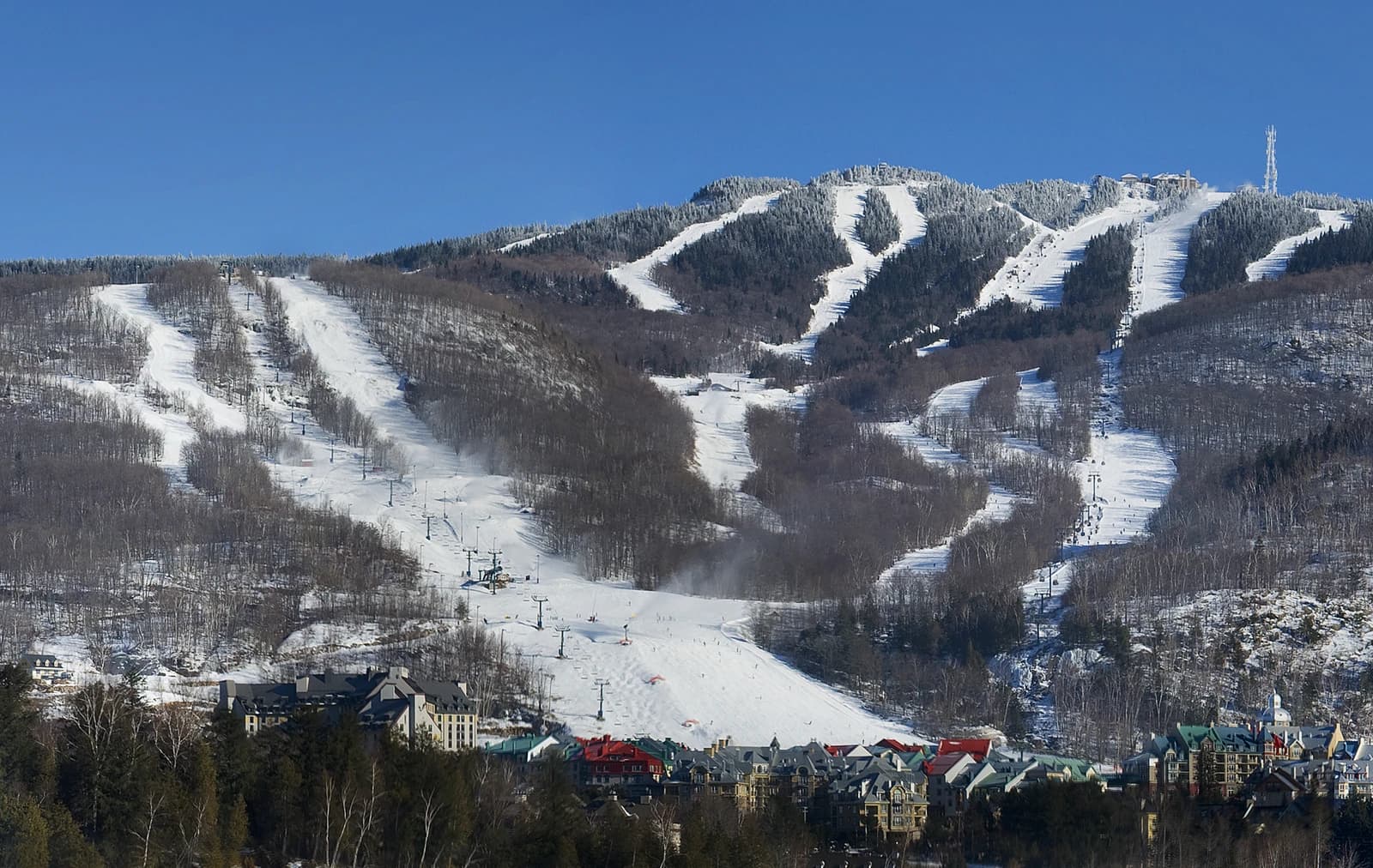
The municipality of Sankt Barbara im Mürztal has agreed to sell the company operating the Brunalm ski area in Styria for the symbolic price, with entrepreneurs Margaret Krajšek and Mihael Stopper set to take over if regional authorities sign off. The catch is critical: the new owners must keep the resort running for at least three years, or face a 250,000-euro penalty.
Sentiment Indicators
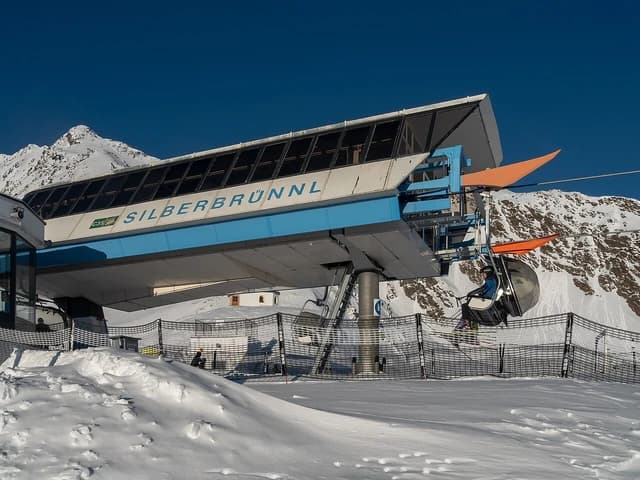
That tells investors something important about the economics of secondary ski destinations in Europe. Local governments are no longer willing to absorb endless losses to preserve a resort that is structurally unprofitable on its own. Brunalm has accumulated about 4.5 million euros of debt, which will stay with the public sector, while the buyers are promising 1.3 million to 1.5 million euros of investment over the next three years to refresh lifts, prepare for winter and broaden the site into camping, cycling and other year-round tourism uses.
For the municipality, this is a rescue from a slow-burning fiscal drain. For the buyers, it is a low-entry-cost option to acquire land, infrastructure and a tourism franchise in a region where outdoor leisure still has value — if the business model is diversified beyond skiing. For investors, that is the key lesson: the economics of ski resorts are increasingly separating into winners with scale, snow reliability and year-round demand, and losers that depend on public subsidies to survive.
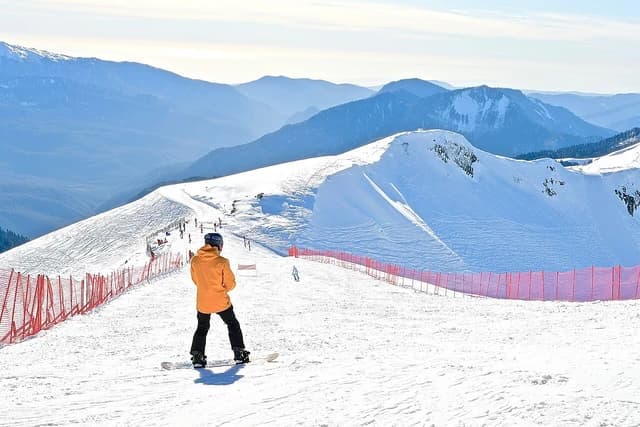
That split matters beyond Austria. Alpine tourism is being forced to adapt to weather volatility, high maintenance costs and heavier financing burdens. Smaller resorts can still have appeal, especially if they can add summer activities and turn a winter-only asset into a four-season destination. But the old assumption that every mountain resort deserves to remain open is fading fast.
The public sector is taking the loss here, while the private buyers get a cheap entry point and the chance to build optionality into a distressed asset. Long-term investors should see the broader pattern: in tourism, just as in other capital-heavy industries, the best returns tend to go to operators that can spread fixed costs across more seasons, more activities and more resilient demand.
| Entity | Gains | Losses |
|---|---|---|
| New owners | ▲Cheap acquisition | ▼Operational turnaround risk |
| Municipality | ▲Stops ongoing losses | ▼Takes on 4.5 million-euro debt |
| Local taxpayers | ▲Avoids resort shutdown | ▼Public balance sheet burden |
| Ski-only resorts | ▲Faster closures unlikely | ▼Structural pressure on margins |