Saudi Arabia’s main share index fell sharply on Wednesday, underscoring how quickly risk appetite can reverse in a market that has been whipsawed by regional tensions and shifting confidence in Gulf assets.
Saudi Arabia TASI falls 2.3% as Nomu also declines
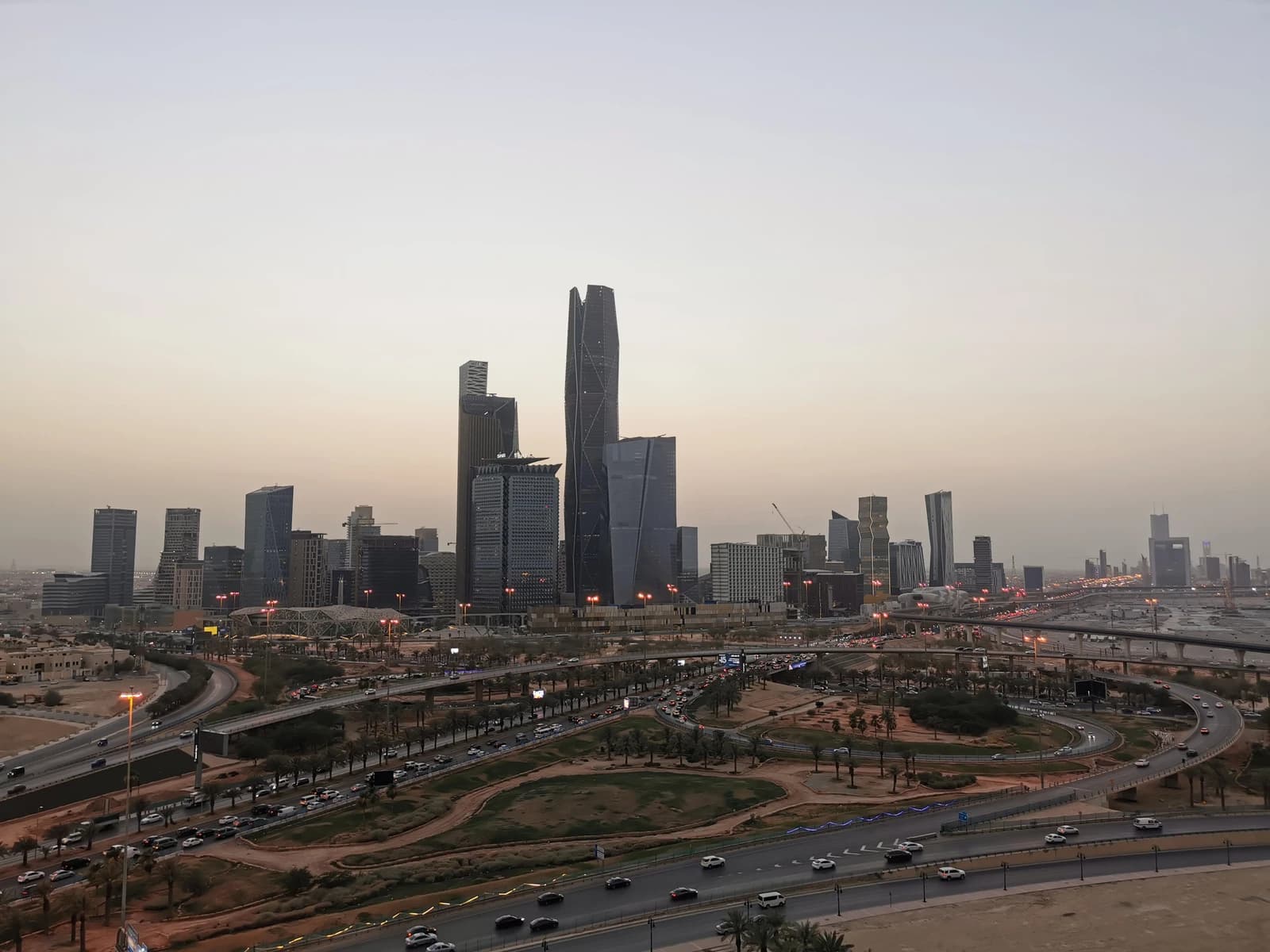
The Tadawul All Share Index dropped 230.76 points, or about 2.3%, to 9,695.86, with turnover of 4.9 billion riyals. The decline was broad-based: only 13 listed companies advanced while 255 fell, suggesting the move was driven less by stock-specific news than by a wider reduction in exposure.
Sentiment Indicators
The selloff matters economically because Saudi equities sit at the center of regional capital formation. A weaker market can damp investor confidence, make it more expensive for companies to raise equity, and complicate the kingdom’s push to draw foreign flows into its reform agenda. It also comes after recent volatility that has repeatedly tied Saudi shares to geopolitical headlines, with investors oscillating between optimism over easing conflict risks and caution over renewed escalation.
Trading patterns pointed to indiscriminate pressure rather than a rotation into defensives. Names among the session’s biggest laggards included Industrial Electrical, Abu Moati, Umm Al Qura Cement and Saleh Rashid, while the most active stocks by volume included Al-Kathiri, Americana, National Steel and Saudi Kayan. In value terms, the most active were Al Rajhi, Al Ahli, Saudi Aramco, Alinma and Industrial Electrical, indicating that heavyweights were not insulated from the broader retreat.
The parallel decline in Nomu, the parallel market, reinforced the caution. Nomu fell 168.89 points to 21,427.16 on turnover of 32 million riyals, a sign that smaller and more speculative names were also under pressure.
For investors, the key question is whether this was a temporary de-risking after recent gains or the start of another leg lower in a market still sensitive to external shocks. A sustained move back below 10,000 on TASI would likely keep short-term traders defensive and could test whether domestic buyers are willing to absorb selling from foreigners and local institutions. If regional headlines calm, the index may stabilize; if not, the market’s recent swings suggest rallies will remain vulnerable to fast reversals.
| Entity | Gains | Losses |
|---|---|---|
| Cash buyers | ▲Better entry levels | ▼Near-term mark-to-market losses |
| Saudi issuers | ▲Potentially cheaper valuations | ▼Weaker equity fundraising backdrop |
| Defensive holders | ▲Relative capital preservation | ▼Missed upside in rebounds |
| Short-term sellers | ▲Profit from risk-off move | ▼Risk of sharp relief rally |