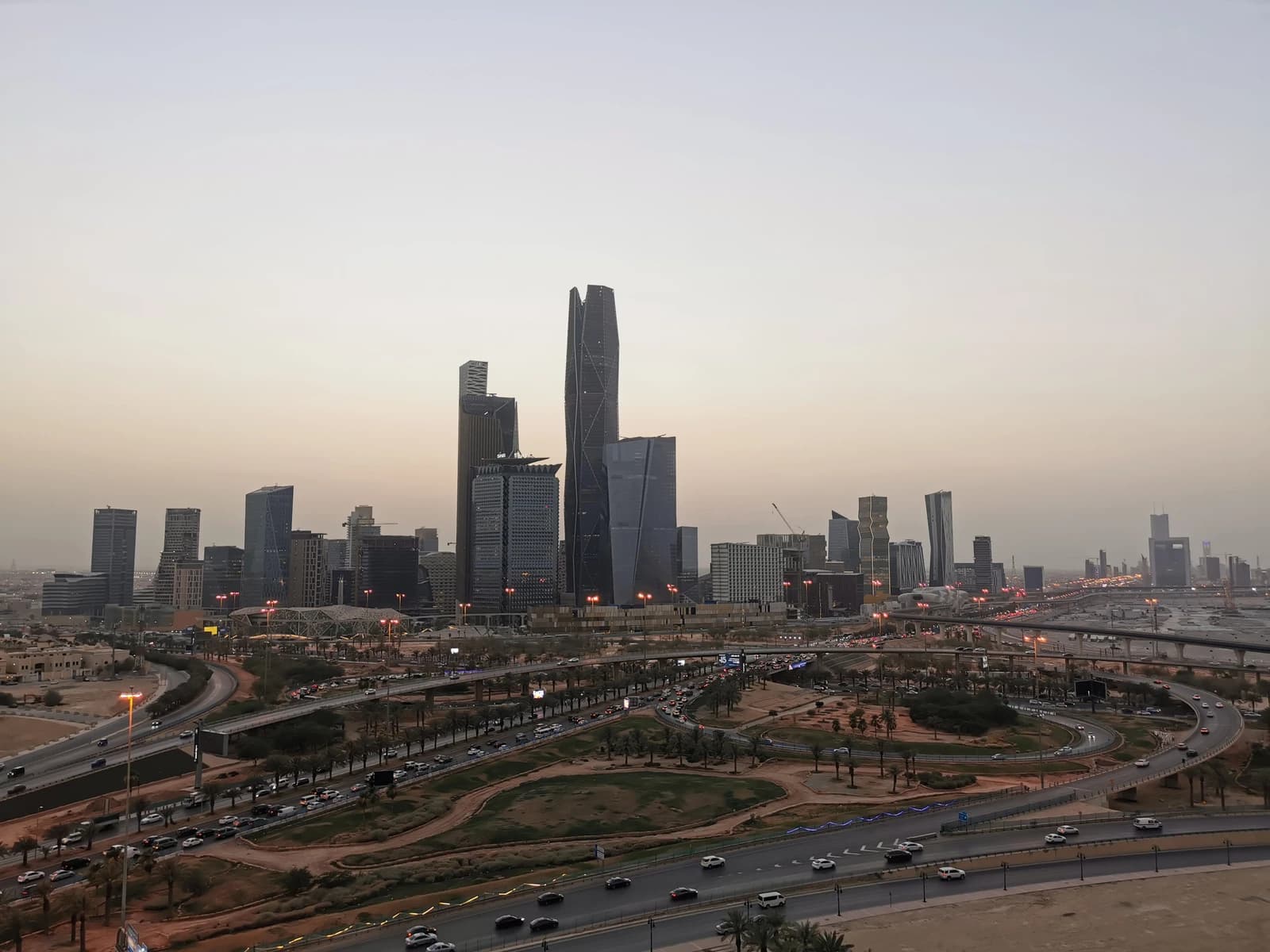
Saudi Arabia’s Tadawul All Share Index fell 1.08% at the open on Thursday, extending the market’s recent weakness as selling spread across most sectors and pushed the benchmark back toward its lowest levels in years.
Saudi Tadawul Index Falls 1.08% at Open
The decline matters because it reflects more than a routine pullback: investors are continuing to trim exposure to the Saudi market even as oil prices remain relatively firm and some large corporates keep posting solid earnings. That combination suggests the market is being driven less by commodity support and more by concerns over growth, valuations and near-term earnings momentum.
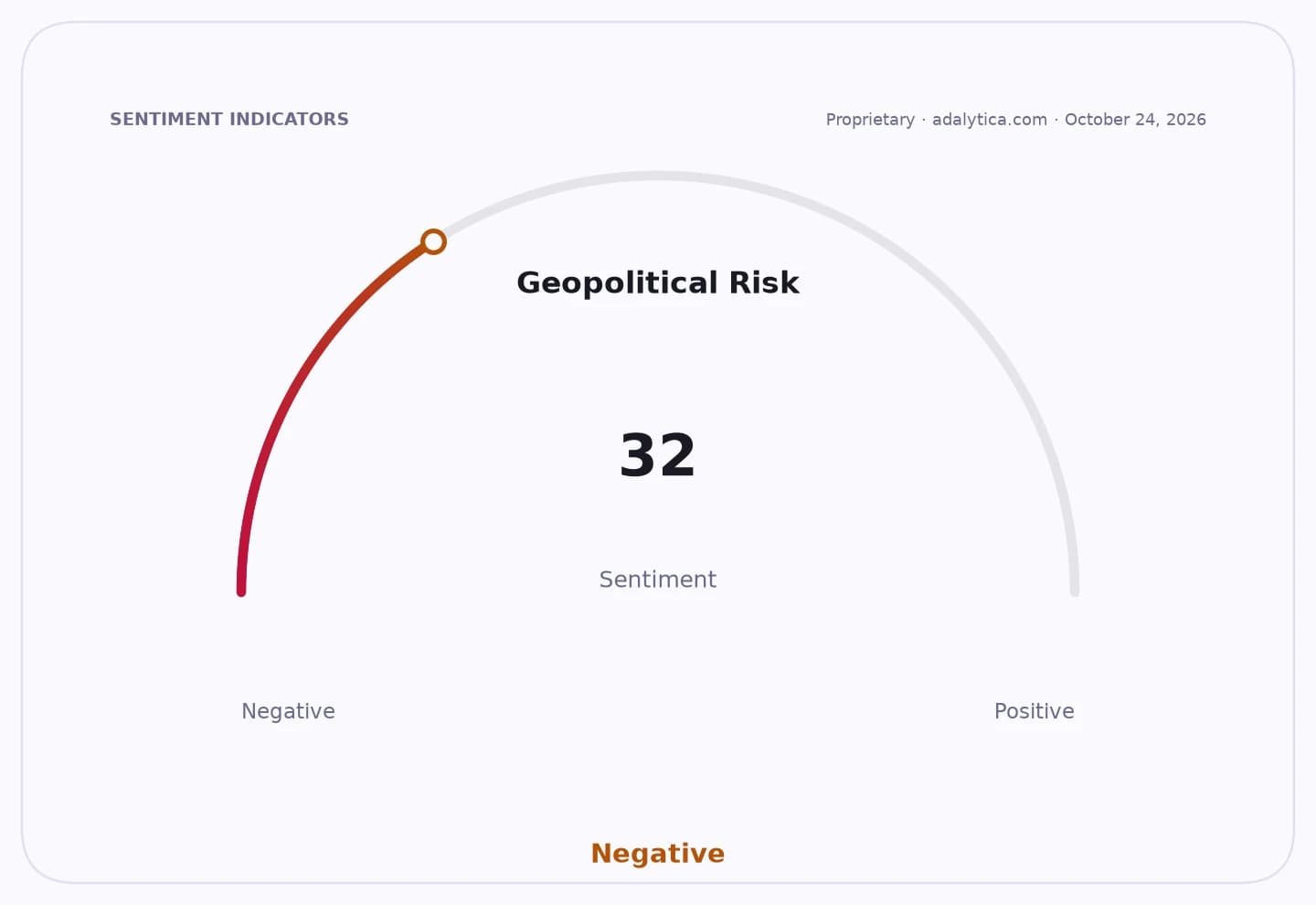
Sentiment Indicators
The index dropped 106.73 points to 9,819.89, with just 16 stocks higher against 247 that fell in early trade. Turnover reached 371.78 million riyals on 33.7 million shares, indicating active repositioning rather than a quiet session. The benchmark traded between 9,798.83 and 9,887.6, underscoring the pressure from the open.
The selling was heaviest in capital goods, down 3.44%, and basic materials, which fell 2.04%. Insurance lost 1.44%, while telecommunications, real estate investment trusts and energy also slipped. That pattern points to broad-based caution rather than an isolated sector event, with cyclical names and domestically sensitive plays bearing the brunt.
Among individual stocks, Al Kathiri rose 7.48% after the Capital Market Authority approved its capital reduction request, making it the session’s top gainer and the most heavily traded name by volume. But the stronger moves were exceptions. Electrical Industries led the decliners, down 8.96%, followed by East Pipes and Saudi Pipes, both under pressure in a weak materials tape. SABIC Agri-Nutrients and Maaden also fell, reinforcing the drag on the core industrial and resources complex.
The banking names that dominate Saudi liquidity were also weaker, with Al Rajhi down 0.42% and Al Ahli off 1.59%. Al Ahli’s drop took the stock to a fresh 52-week low, alongside new lows in names including Amlak, Nasseej, Saleh Rashid, Smasco and Miahona, a sign that the weakness is reaching deeper into the domestic market.
Company news was mixed but not enough to offset the broader risk-off tone. Alkhair Water and Energy Technology raised its long-term credit rating to A, while Azm Saudi won a 14.45 million riyal project. Dar Medical said a subsidiary secured exclusive rights to distribute a U.S. drug in Saudi Arabia. Jamjoom Pharma also reported preliminary financial results for the period ended September 2026, with its stock edging up 0.33%.
For investors, the key issue is whether the market is merely digesting a prolonged stretch of gains and weak liquidity, or whether the slide reflects a more durable repricing of Saudi risk assets. The bearish case is that continuing losses, new lows in multiple names and weakness in defensive and cyclical sectors point to persistent caution. The bullish case is that select company-specific catalysts and still-resilient oil prices could help stabilize sentiment if earnings continue to hold up. For now, the market is voting with caution.
| Entity | Gains | Losses |
|---|---|---|
| TASI index | ▲Higher trading activity | ▼Broad-based selling pressure |
| Al Kathiri | ▲Capital reduction approval boost | ▼— |
| Basic materials sector | ▲— | ▼Sector-wide decline |
| Saudi banks / large caps | ▲Select liquidity support | ▼Fresh 52-week lows in Al Ahli |