VN-Index edged higher on October 20, but the shallow rebound and fading turnover showed that Vietnam’s equity market still lacks the broad, committed buying needed to reclaim the 1,700-point level.
VN-Index rises 0.13% as turnover fades

The benchmark rose 2.13 points, or 0.13%, to 1,691.97 after briefly dipping to 1,677.19 intraday, suggesting dip-buying emerged near near-term support. Even so, the advance came after a 16-point drop in the prior session and did little to change the short-term tone: the index stayed below the psychological 1,700 threshold, while blue chips failed to move in sync.
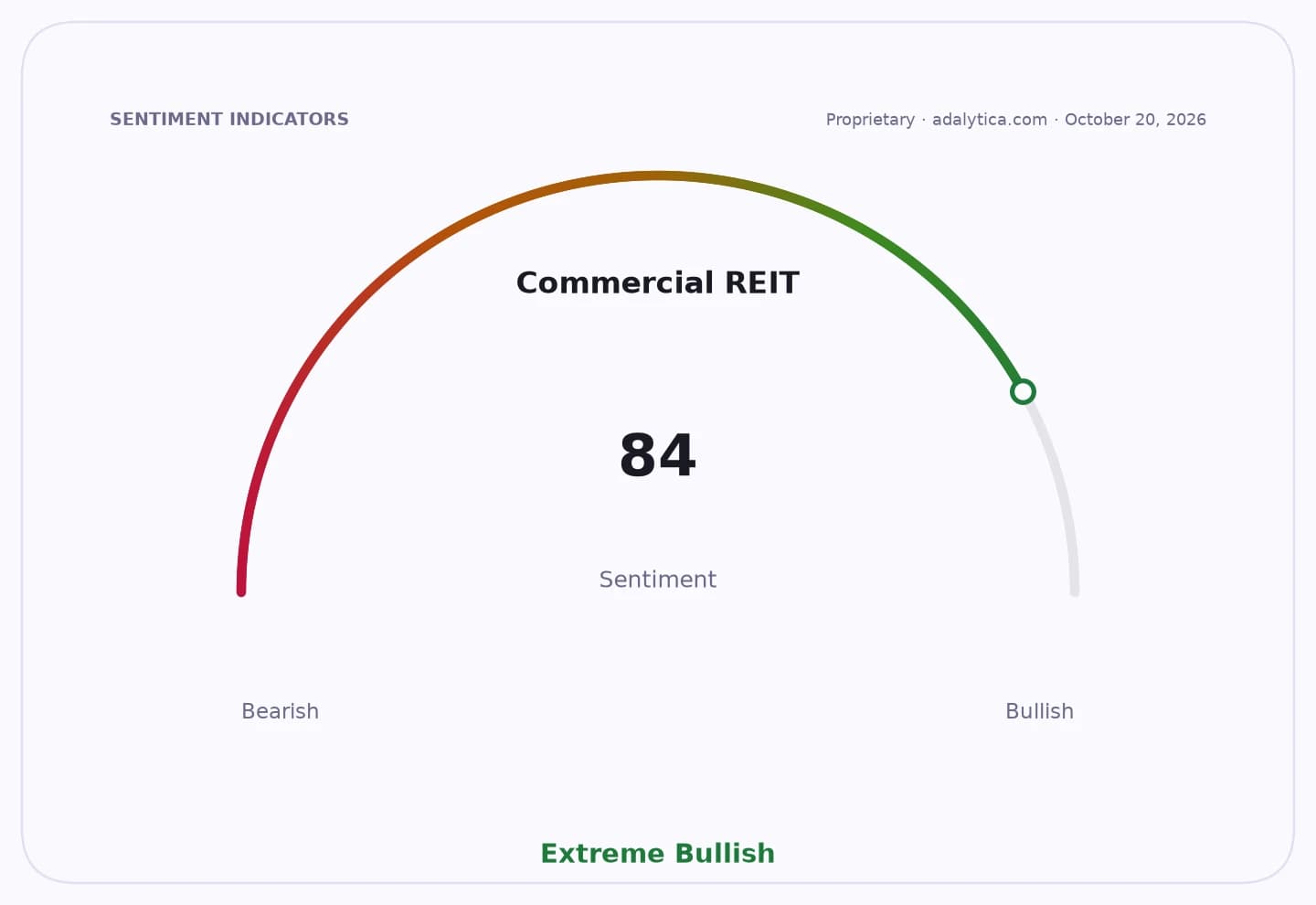
Sentiment IndicatorsⓘProprietary · adalytica.com · October 25, 2026
This is a snapshot — live sentiment, awareness and momentum for 130+ markets update continuously in the dashboard.Open AlphaPulse
The more important signal was in the tape. Trading on HoSE reached about 574.21 million shares worth 13.25 trillion dong, but both volume and value fell from the previous session. In a market that has already been under pressure, lower liquidity on a recovery day usually points to caution rather than conviction. It suggests investors are still willing to buy selectively, but not broadly enough to fuel a sustained rebound.
That hesitancy was visible across the market’s biggest groups. Banks were mixed: TCB rose 2.11% and helped support the index, but HDB fell 2.86% and pressure from VCB weighed on the sector. Real estate was even more split, with VIC up 0.97% and providing the largest lift to VN-Index, while VHM dropped 4.15% and was the biggest drag. The message for investors is that the market is trading stock by stock, not as a unified risk-on bet.
Some areas did attract money. Materials were a relative bright spot, with HPG up 2.68% and the HOSE materials gauge climbing 2.35%, while PNJ jumped 6.76% and retail names also drew attention. Yet these pockets of strength were not enough to overcome the weakness in financials and large-cap property, which remain critical for index direction because of their weight and liquidity.
Foreign flows added to the caution. Overseas investors sold a net 221 billion dong on HoSE, with buying concentrated in TCB and HPG but selling pressure visible in ACB, VHM and VCB. For a market trying to stage a recovery after a sharp pullback, persistent foreign outflows matter because they can cap any rally and amplify volatility in the most liquid names.
The broader story is that Vietnam equities are trying to stabilize, not yet reverse trend. A rebound from oversold levels is possible and may continue if the market can hold above nearby support, but the combination of softer turnover, sector divergence and net foreign selling argues for restraint. Until cash returns more decisively and the large-cap leaders recover together, the move above 1,700 looks more like a technical pause than the start of a durable uptrend.
| Entity | Gains | Losses |
|---|---|---|
| Dip buyers | ▲Lower entry levels | ▼No broad confirmation yet |
| Banks with stock-specific strength | ▲TCB, selective large caps | ▼Sector-wide recovery |
| Materials and retail names | ▲Relative momentum | ▼Need stronger market backdrop |
| Foreign sellers / cautious institutions | ▲Risk reduction | ▼Missed rebound if rally extends |