Germany’s military has quietly changed how it is moving troops to Lithuania, switching from a visible road convoy through Poland to rail transport to avoid needlessly provoking Russia. That matters because the deployment is part of NATO’s effort to harden its eastern flank, and every adjustment now carries both military and market significance as Europe settles in for a longer period of security spending and geopolitical risk.
Germany moves troops to Lithuania by rail
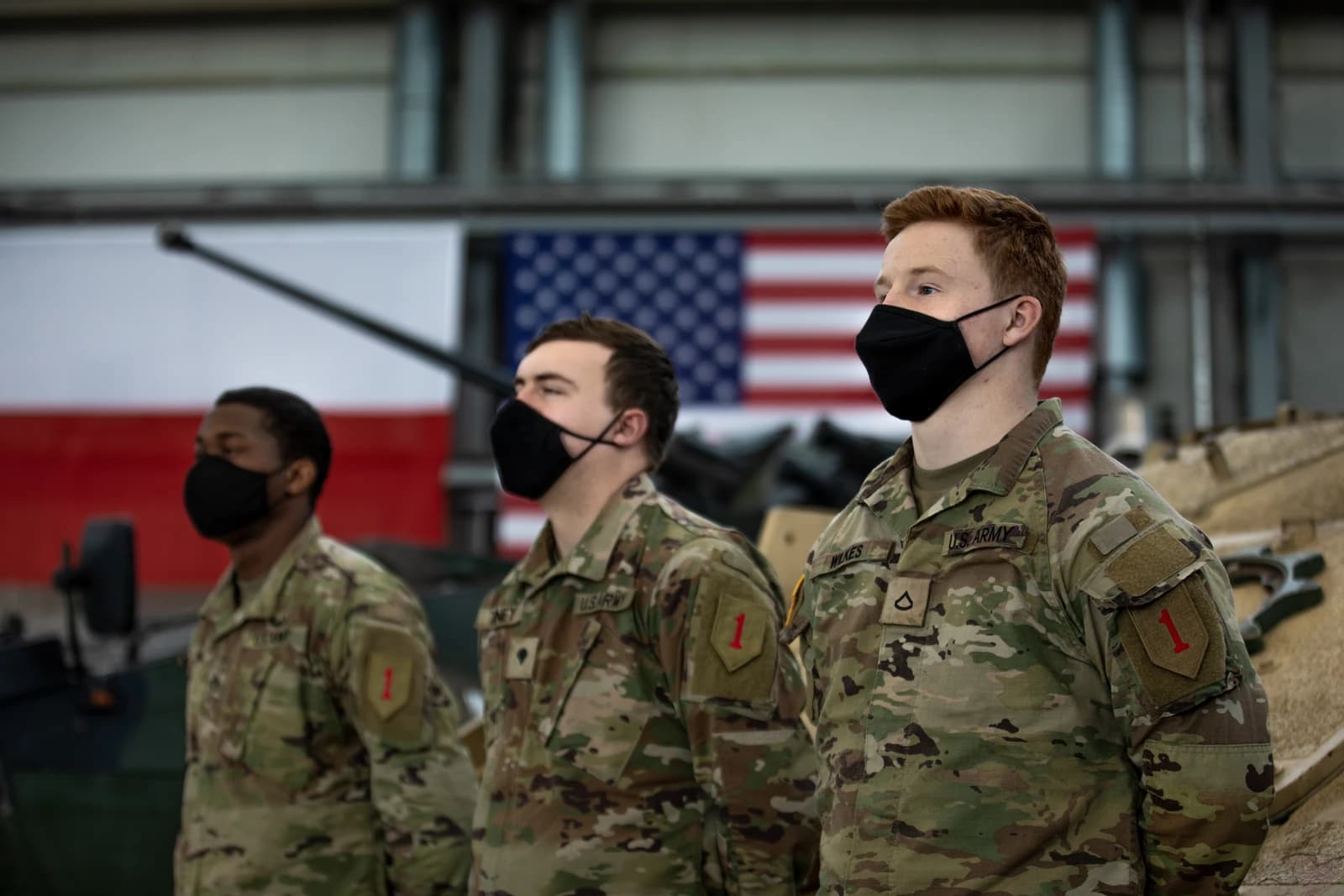
The report, which cited military sources, says units from Germany’s 10th Panzer Division had originally been due to travel by road to Lithuania for the Grand Eagle 26 exercise. Instead, tanks and other vehicles were sent by train after consultations within NATO, reflecting a broader effort to balance deterrence with caution in a region where even routine troop movements can be read in Moscow as escalation.
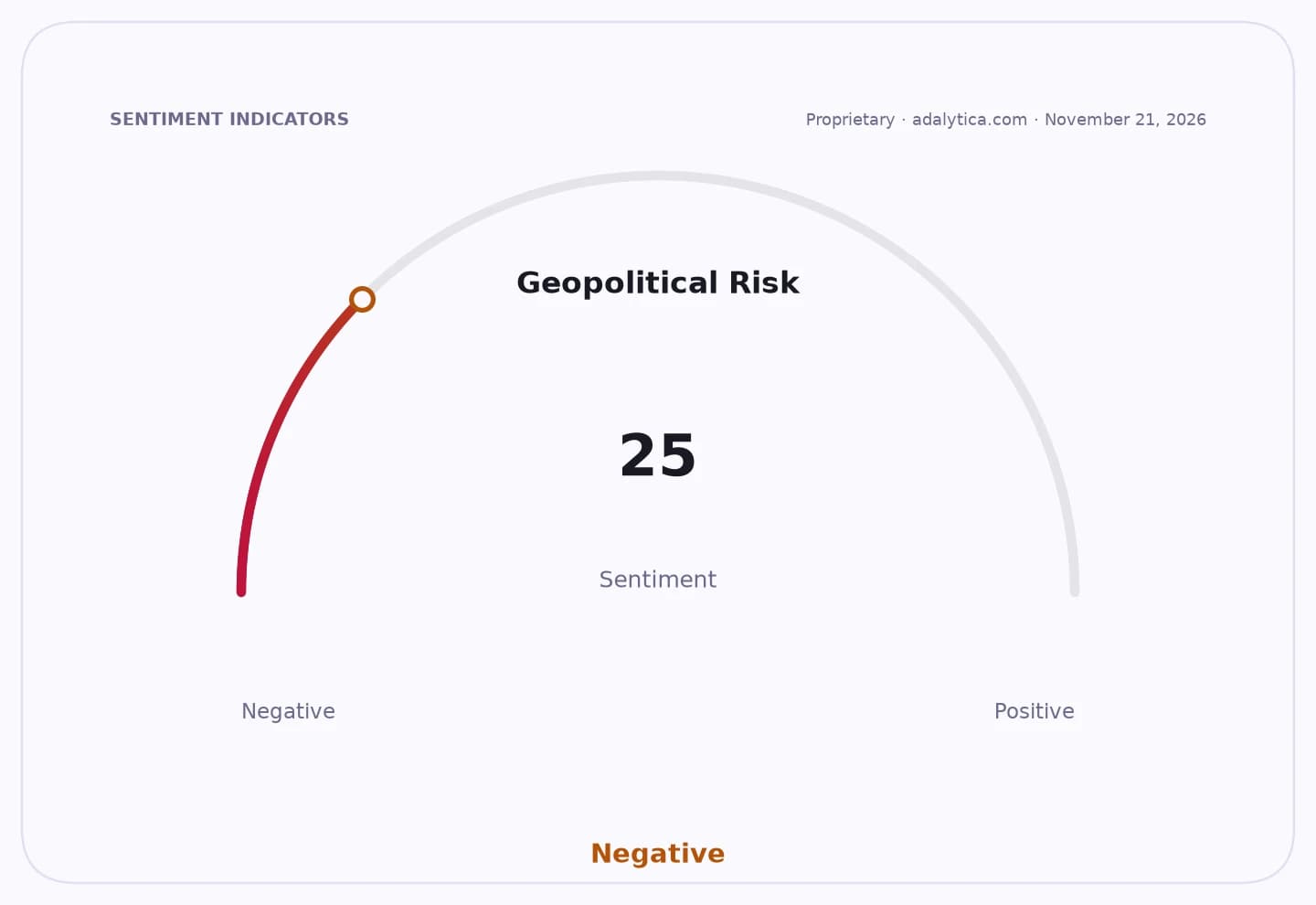
Sentiment Indicators
For investors, the significance is less about the logistics of one exercise than about the direction of European defense policy. NATO is not de-escalating; it is adapting. The alliance is rehearsing “the serious case” more intensely than at any point in years, according to a NATO military representative cited in the report, while also trying to reduce the chance of miscalculation. That combination points to a durable boost for defense readiness, mobility, air defense, surveillance and military transport infrastructure across Europe.
It also underscores how fragile the security backdrop has become. The same news flow that brought the Lithuanian relocation decision also included NATO vows to defend every inch of Polish territory, reports of Russian-linked incidents in the Baltic region, and continued Ukrainian calls for stronger security guarantees. In that environment, even a change from road to rail says something important: NATO is preparing for a more contested eastern flank, but it does not want to hand Moscow an easy propaganda win.
That is the real investment takeaway. Europe’s rearmament story is not just about more spending; it is about faster movement, better logistics and a deeper industrial base to support deployments, ammunition, air defenses and border security. For defense contractors, rail operators tied to military logistics and suppliers of armored vehicles and support systems, that is a constructive long-term backdrop. For broader markets, it is another reminder that geopolitical risk in Europe is not fading.
The conflict is likely to keep shaping policy and procurement for years, not weeks. Investors looking for durable themes should keep watching European defense budgets, NATO infrastructure and companies exposed to military mobility and readiness. This is the kind of trend that rewards patience, not timing.
| Entity | Gains | Losses |
|---|---|---|
| NATO defense planners | ▲Lower escalation risk | ▼Less operational flexibility |
| German and Baltic allies | ▲Safer troop movement | ▼More complicated logistics |
| Defense contractors | ▲More readiness spending | ▼None directly |
| Russia | ▲Propaganda target diminished | ▼Fewer visible NATO movements |