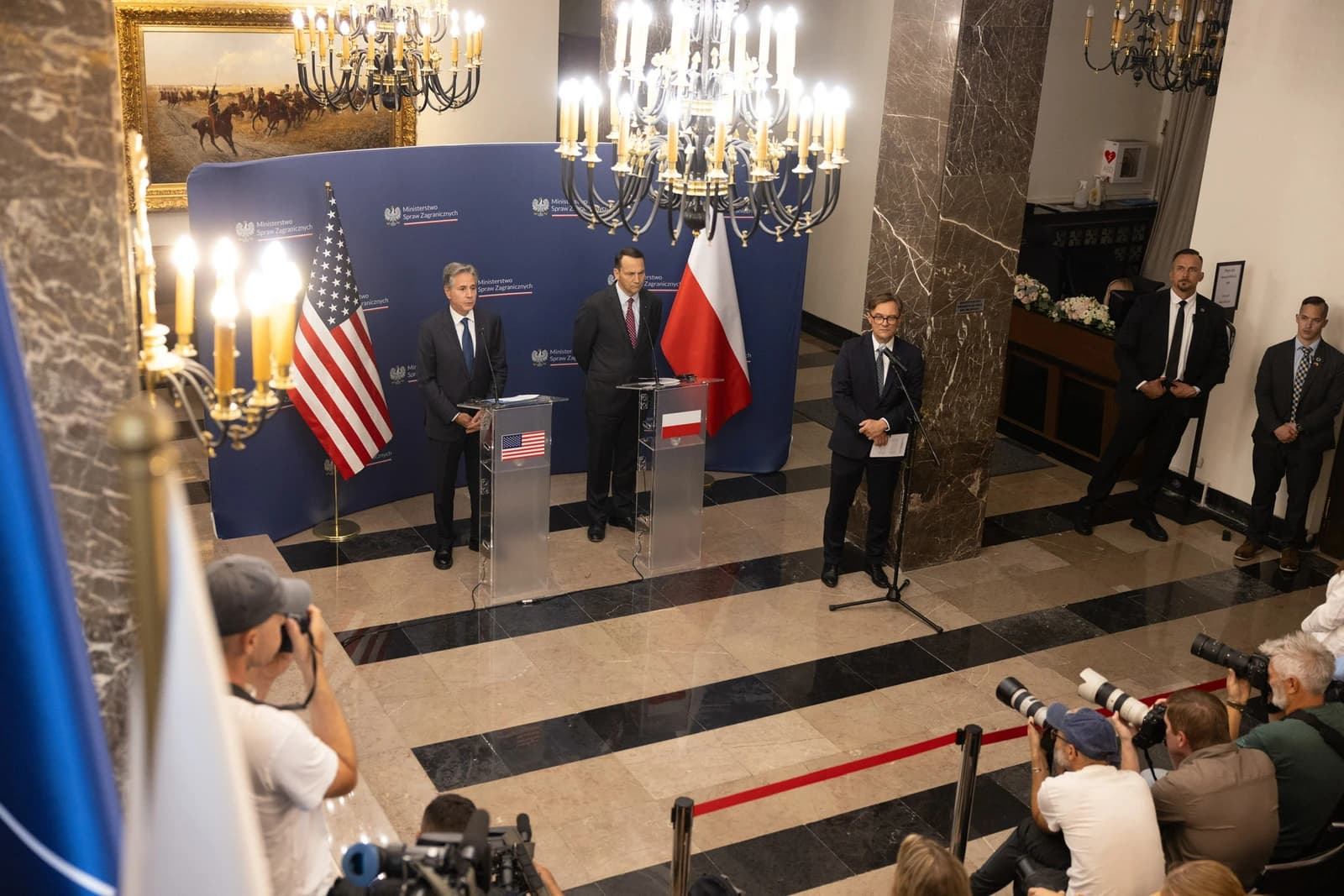
Romania is moving late to secure a permanent American military presence on its territory, a gap that could leave it behind Poland in the race to become Washington’s main anchor on NATO’s eastern flank.
Romania Seeks Permanent U.S. Brigade Presence
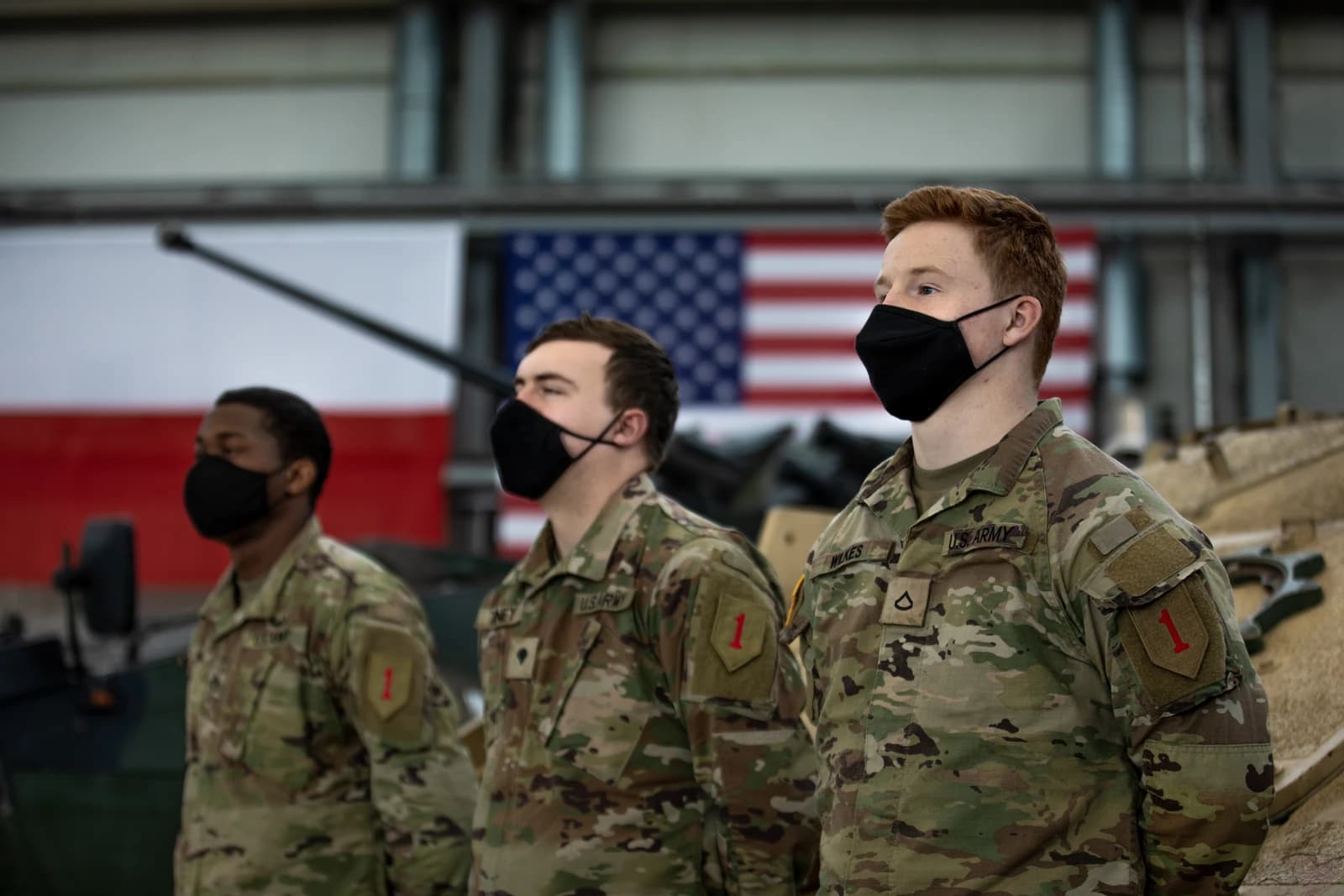
That is the core message from retired Gen. Dorin Toma, a former NATO commander, who said Bucharest is only now beginning the infrastructure and political project needed to host a permanent U.S. brigade, while Warsaw started in 2020 and accelerated after Russia’s 2022 invasion of Ukraine. For investors, the issue is not only military posture but also the scale and timing of public spending, cross-border logistics and the durability of U.S. commitments in Europe as Washington rethinks its footprint.
Sentiment Indicators
Toma’s comments underline a strategic reality that has become more acute as U.S. defense policymakers, including Elbridge Colby, consider a gradual reshaping of American deployments in Europe. Romania can ask for more troops, but it also has to pay for the warehouses, training grounds, maintenance depots and support infrastructure that make a permanent brigade viable. Toma said a unit of 4,000 to 5,000 soldiers would carry an annual operating budget of more than $1 billion, with Romania likely covering only “a few tens of millions of dollars” in utilities, tax relief and related support.
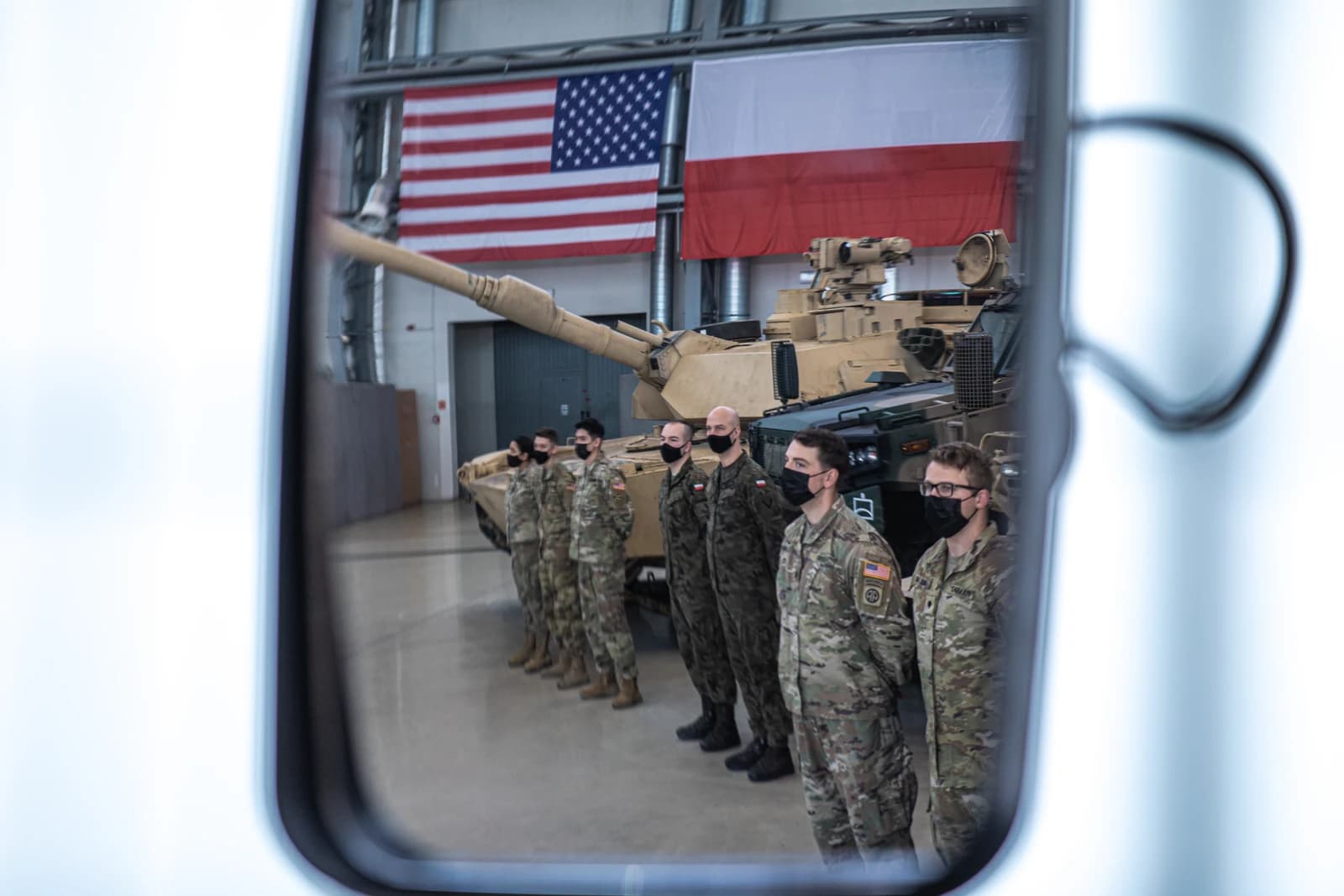
That spending profile matters because the competition is no longer just about troop numbers. It is about who can offer the fastest, cheapest and most reliable host nation package. Poland has already spent heavily over the past five or six years on ammunition storage, logistics hubs and training sites, and has accepted that its own forces will handle some maintenance work to lower costs. Romania, by contrast, still lacks a training range capable of hosting a brigade-level exercise, meaning any U.S. force stationed there would likely have to train in Poland or Germany until local facilities are built.
For Bucharest, the economic logic is two-sided. A permanent American presence would deepen the security umbrella over the Black Sea region, raise Romania’s strategic value inside NATO and potentially attract related infrastructure spending. But it would also require years of capital outlays at a time when domestic economic pressures are already building and when new business formation has weakened. The country’s capacity to move quickly on military logistics could become a test of fiscal discipline and administrative execution as much as of diplomacy.
The broader market significance lies in the message to allies and defense contractors. If Romania closes the gap with Poland, it would support a new wave of spending on storage, transport, maintenance, fuel, power and base construction across the eastern flank. If it falls further behind, the strategic center of gravity in NATO’s east will remain in Poland, with Romania playing a secondary role despite its Black Sea position. Either way, the U.S. debate over Europe’s force posture is likely to shape defense budgets, regional infrastructure and long-term alliance planning for years.
| Entity | Gains | Losses |
|---|---|---|
| Poland | ▲Reinforced NATO hub status | ▼Less relative advantage if Romania catches up |
| Romania | ▲Higher strategic value if project advances | ▼Falls behind in U.S. force posture race |
| U.S. military | ▲Better logistics options in Eastern Europe | ▼Higher costs if infrastructure must be built from scratch |
| NATO eastern flank | ▲Stronger deterrence if deployments expand | ▼Uneven burden-sharing if projects lag |