Poland is leaving the door open to resume diplomatic cooperation with Russia, but only if Moscow stops its war against Ukraine and ends its broader pattern of invading neighbors — a reminder that any thaw in Europe’s security architecture still depends on the battlefield, not the negotiating table.
Poland Keeps Russia Diplomatic Reset Conditional
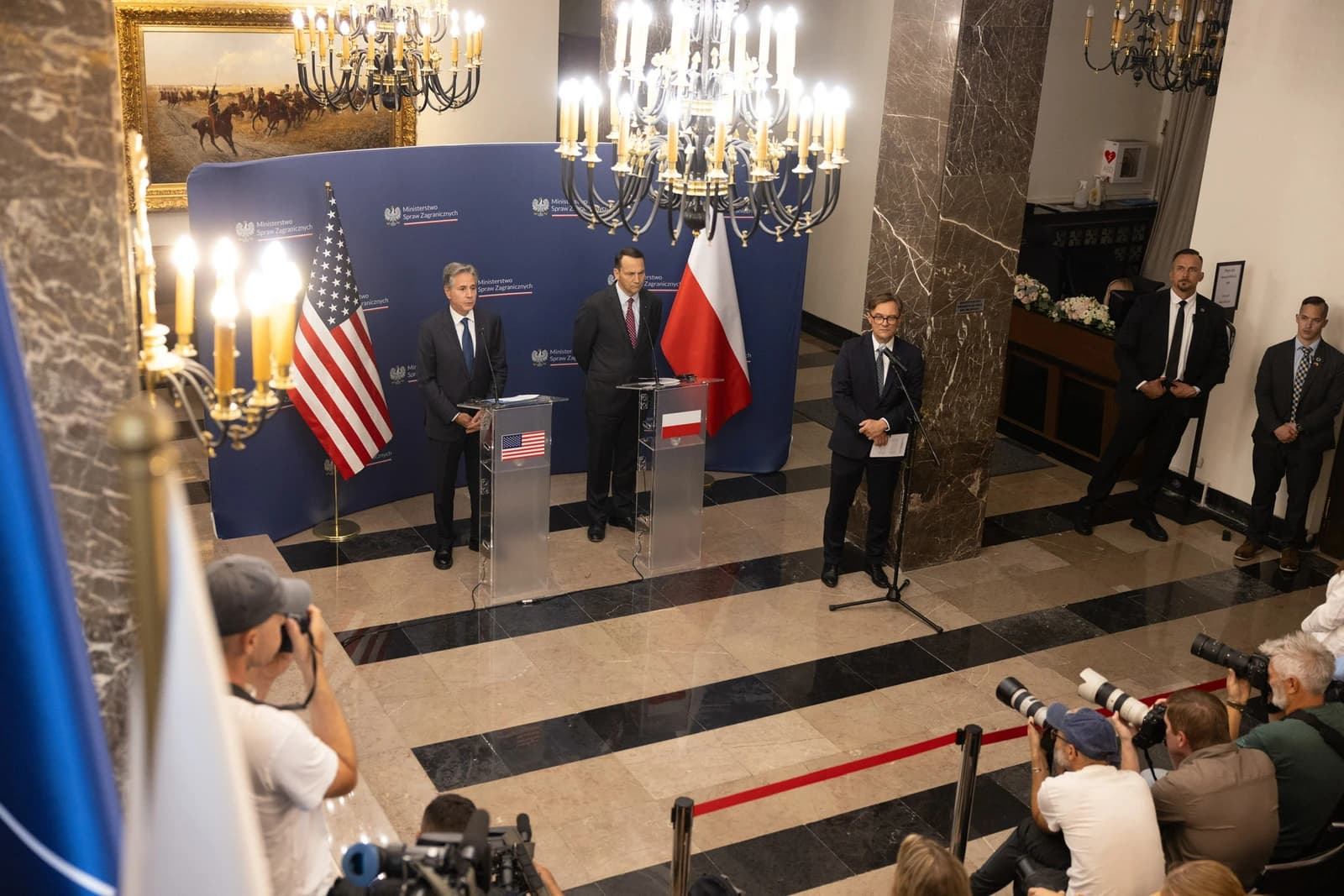
That matters because Poland sits at the front line of Europe’s confrontation with the Kremlin. Foreign Minister Radosław Sikorski’s comments make clear Warsaw is not talking about normalizing relations now, but about a future reset contingent on Russian behavior changing first. For investors, that means the region’s risk premium remains tied to the war’s duration, border security and the credibility of any ceasefire or peace framework.
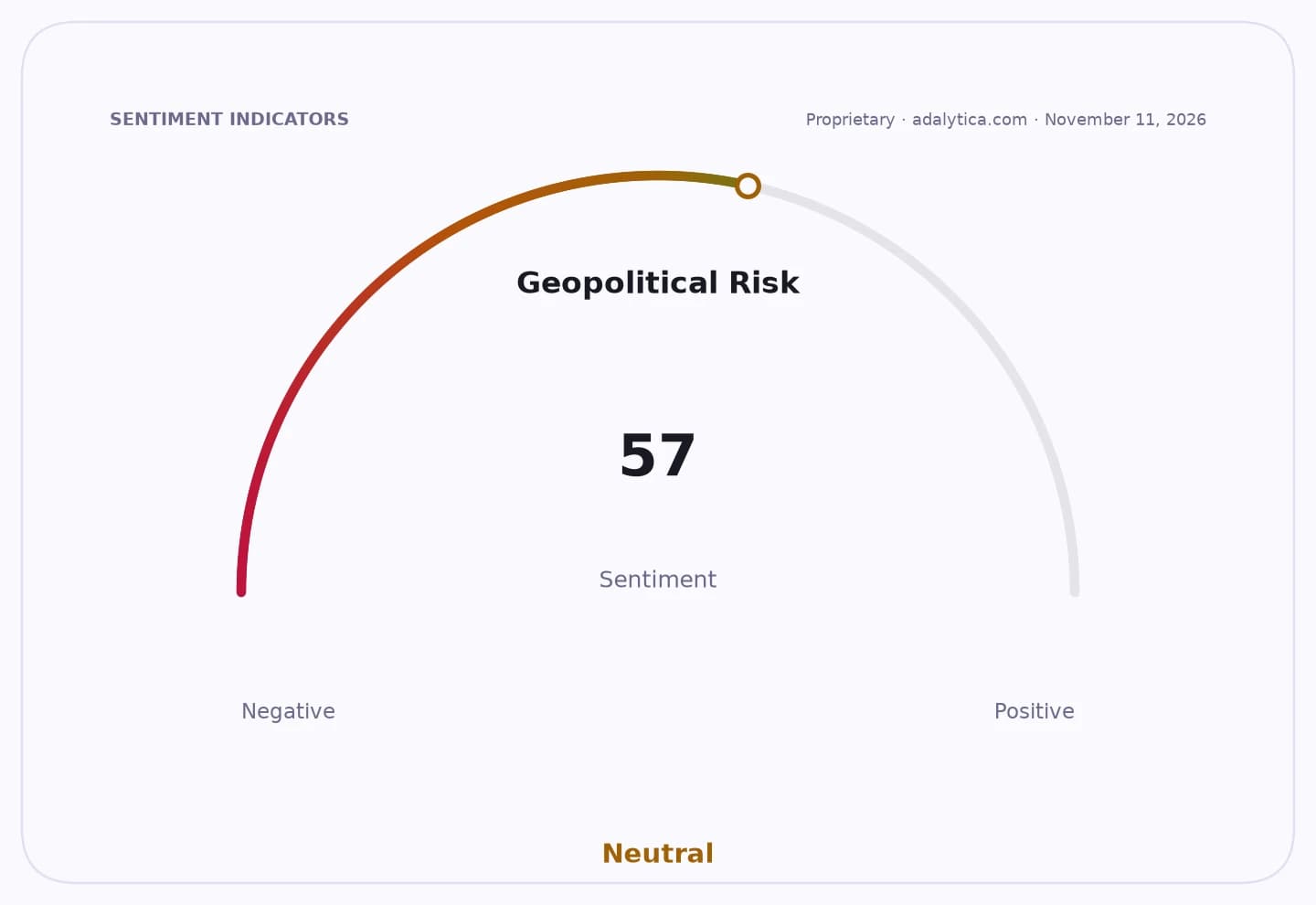
Sentiment Indicators
Geopolitical Risk
Sikorski also underscored a key political reality inside Europe: there is no single view on how to deal with Moscow. Some leaders want direct dialogue, while others favor a more coordinated European line. Poland’s position is especially important because it represents the states closest to the conflict and most exposed to spillover risks, from sabotage concerns to military escalation.
The wider economic implication is straightforward. As long as Poland and its neighbors see Russia as an active security threat, defense spending, energy planning and border controls will stay elevated. That supports demand for military and security equipment, but it also keeps a lid on the kind of cross-border trade, logistics and investment flows that would normally deepen in a stable Europe.
Geopolitical Risk vs PLNUSD=Xadalytica.com
Explore this data interactively — full history, time series and cross-market comparisons.
The market backdrop shows that investors are still treating Eastern Europe as a geopolitical stress point rather than a clean recovery story. The euro’s trade signals are flashing extreme greed, while global stability sentiment has slipped back to neutral, with awareness still in extreme fear territory. In plain terms, capital is willing to price risk elsewhere, but it has not forgotten the war in Europe.
Poland’s message is important because it draws a line between deterrence and eventual diplomacy. If Russia ends the war and stops threatening its neighbors, Warsaw says cooperation can return. Until then, the investment case for the region remains one of caution, not normalization — and that is exactly why this is worth watching for long-term investors.
| Entity | Gains | Losses |
|---|---|---|
| Poland and Eastern Europe | ▲stronger security posture | ▼easier diplomacy with Moscow |
| Defense and security firms | ▲sustained demand | ▼lower urgency if tensions fade |
| Russia | ▲potential future diplomatic reset | ▼current isolation and pressure |
| Investors in regional assets | ▲clarity on risks | ▼hopes for quick normalization |