A thin credit file is still one of the fastest ways for banks to say no, even to borrowers with good incomes, and the way around it is not speed but disciplined borrowing. For first-time applicants, the market message is clear: build credit with a small, manageable loan or card, then protect that record by paying every bill on time and keeping utilization low.
Thin Credit Files Block Borrower Loan Access

That matters because lenders are not simply judging income; they are pricing uncertainty. When a borrower has no repayment history, banks and finance companies have less data to model default risk, which can lead to automatic rejections or tighter terms. The result is a long-standing gap in credit access that hits young professionals, new-to-credit consumers and small business owners who may be financially stable but still look “risky” to underwriting systems.
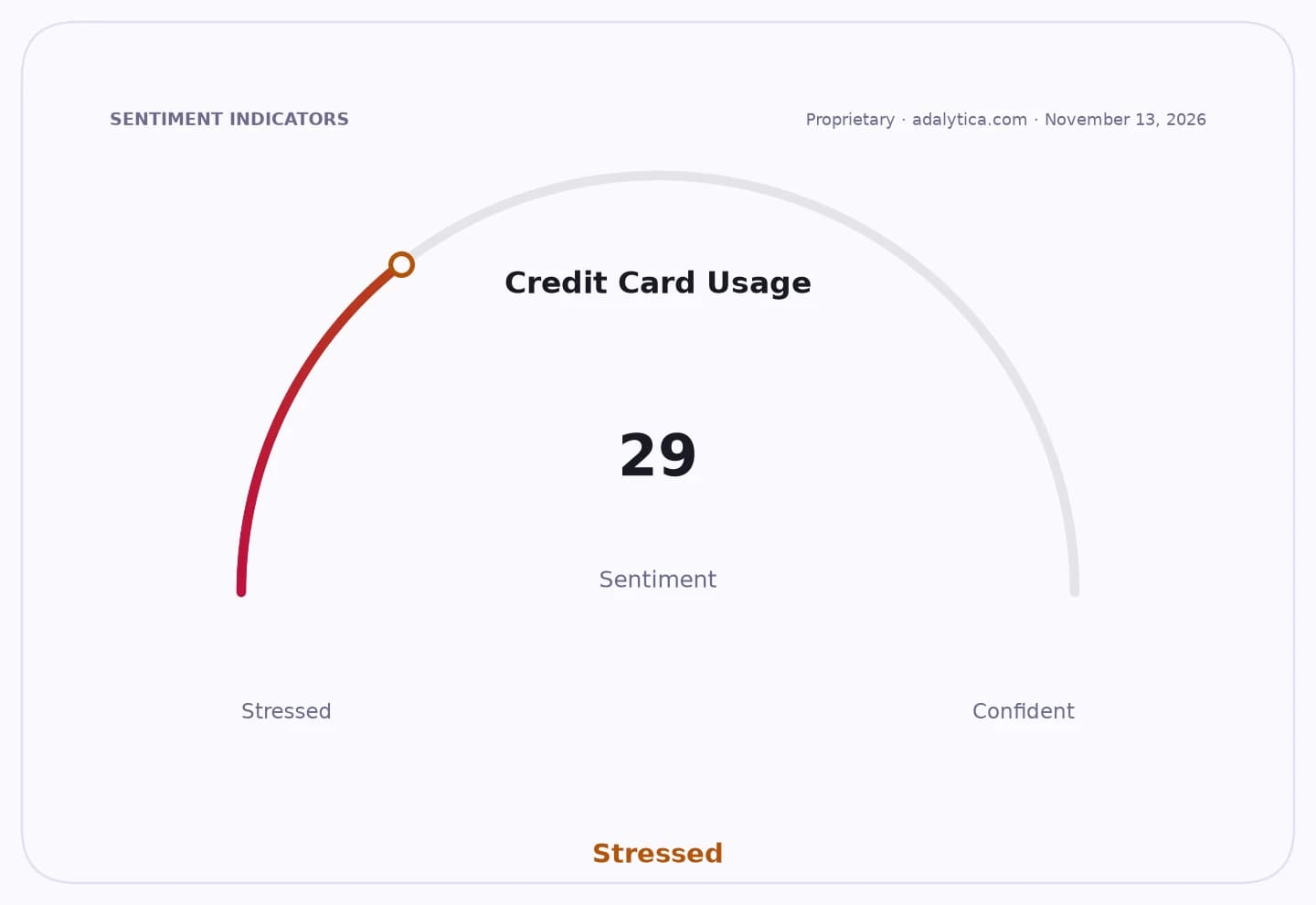
Sentiment Indicators
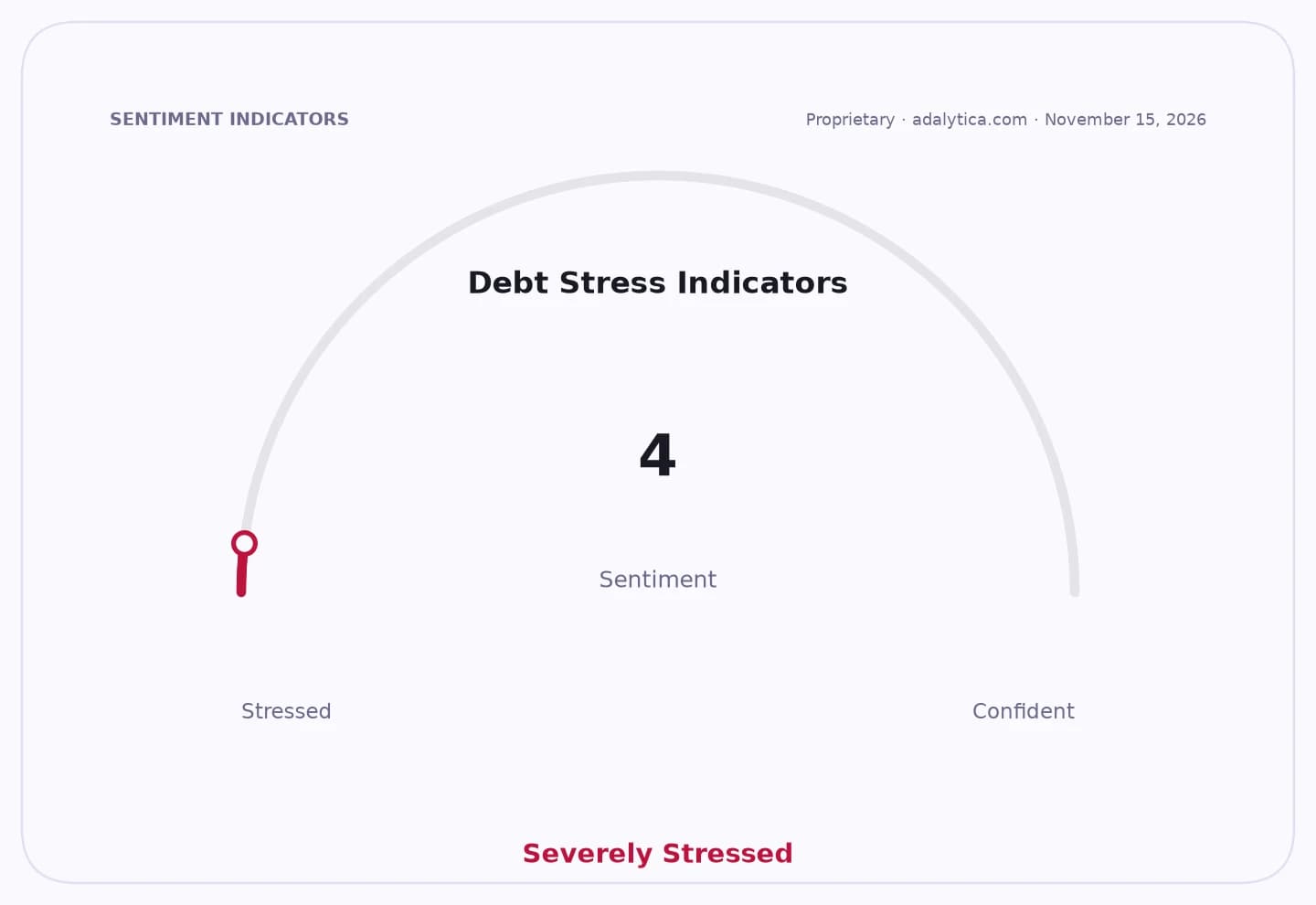
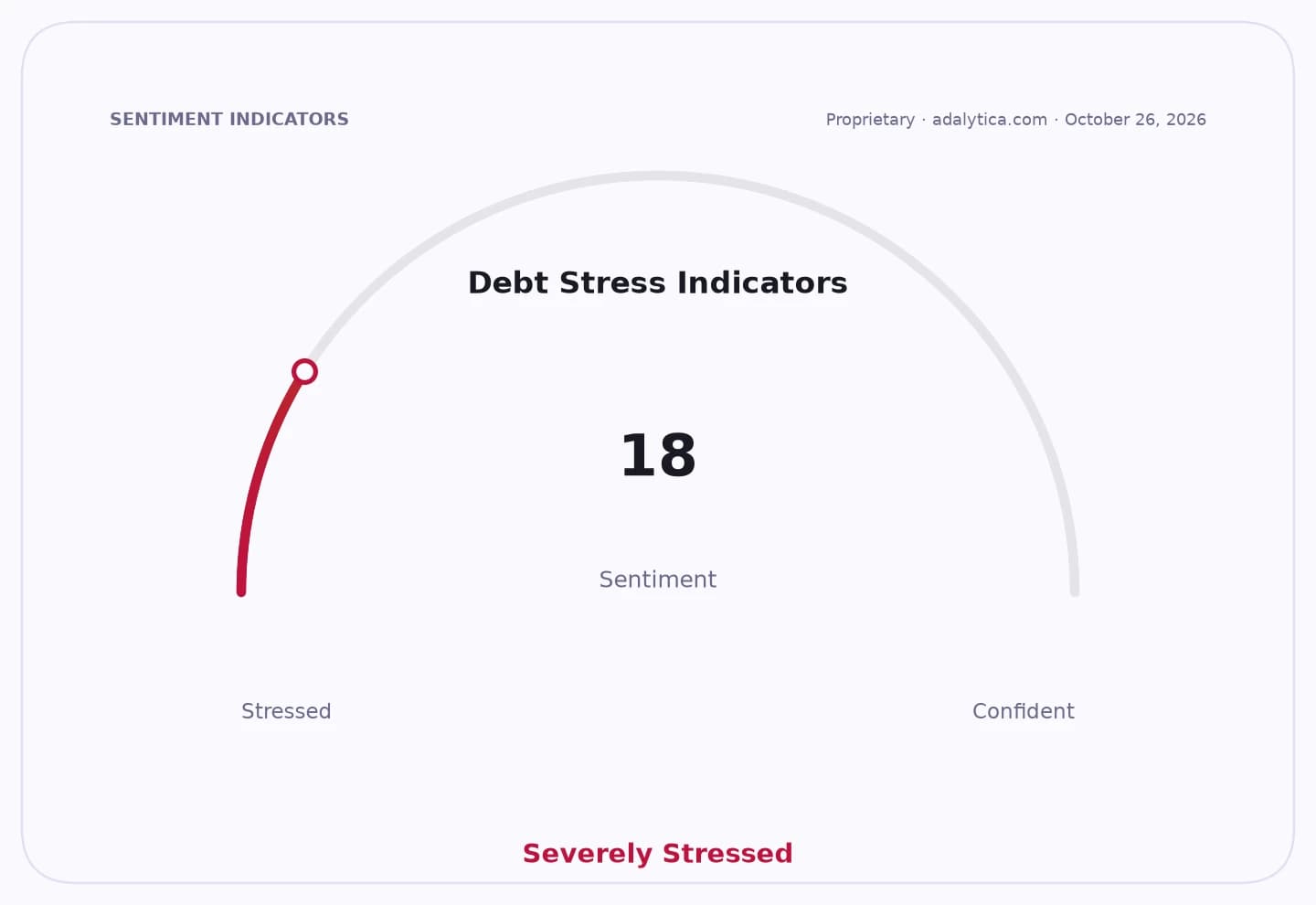
Debt Stress Indicators
The practical fix is straightforward, if not always quick. Start with a small personal loan, a modestly sized home loan, or a credit card with a limited line and use it sparingly. Then make every payment before the due date. Missing even one EMI or card bill can damage a file that is only beginning to take shape, while consistently low balances and on-time repayment help establish a profile lenders can trust.
This is where credit access and macro policy meet. Central banks and lenders are trying to support borrowing without stoking excess risk, and recent moves to increase credit growth limits suggest regulators are willing to loosen the tape where lending remains constrained. But even with easier policy, underwriting has not disappeared. Banks still want evidence that a borrower can handle debt through a full cycle, not just take it on.
The stakes are larger than a single loan application. In the US, credit card debt has climbed to a record $1.29 trillion, while many debt-free consumers are still being screened out by bank algorithms that penalize thin credit histories. That creates a perverse outcome: borrowers who avoid debt can be denied access to it, while lenders remain cautious because they cannot distinguish prudence from inexperience without prior repayment data.
Investors should see this as both a demand and risk story for lenders and consumer-finance platforms. Firms that can underwrite first-time borrowers more intelligently may gain share in an underserved market, but they also take on higher model risk if they relax standards too quickly. That helps explain why lenders emphasize deposit funding, data-driven underwriting and tight monitoring of borrower behavior.
For borrowers, the lesson is less glamorous but more durable: access to credit is earned through repetition, not one-off approval. The fastest path to a stronger file is a small line, disciplined spending, and punctual repayment. That sequence can turn a rejected application into a bankable profile, but only over time.
| Entity | Gains | Losses |
|---|---|---|
| First-time borrowers | ▲Build credit access | ▼Face initial rejections |
| Banks and lenders | ▲Better risk data over time | ▼More underwriting uncertainty |
| Consumer-finance platforms | ▲Gain underserved customers | ▼Take on credit-model risk |
| Existing well-scored borrowers | ▲Preserve low-cost access | ▼Less immediate pressure to change terms |