Loans meant to bridge emergencies and fund new beginnings are instead becoming a fatal trap for some Indian borrowers, exposing a debt-recovery system that can turn delinquency into a life-or-death crisis. A string of suicides and alleged coercive recovery tactics across Maharashtra, Gujarat, Rajasthan and Uttar Pradesh has put the human cost of borrowing under scrutiny just as bad debt is rising at banks and regulators elsewhere tighten credit controls.
India loan recovery cases raise borrower distress concerns
The most important development is not the individual tragedies, but the pattern they reveal: households under strain are increasingly vulnerable to high-cost borrowing, aggressive collections and opaque lending practices. That matters economically because when repayment pressure becomes unbearable, credit stops functioning as a stabilizer and starts acting as a shock amplifier, pushing already fragile families into deeper distress and, in some cases, collapse.
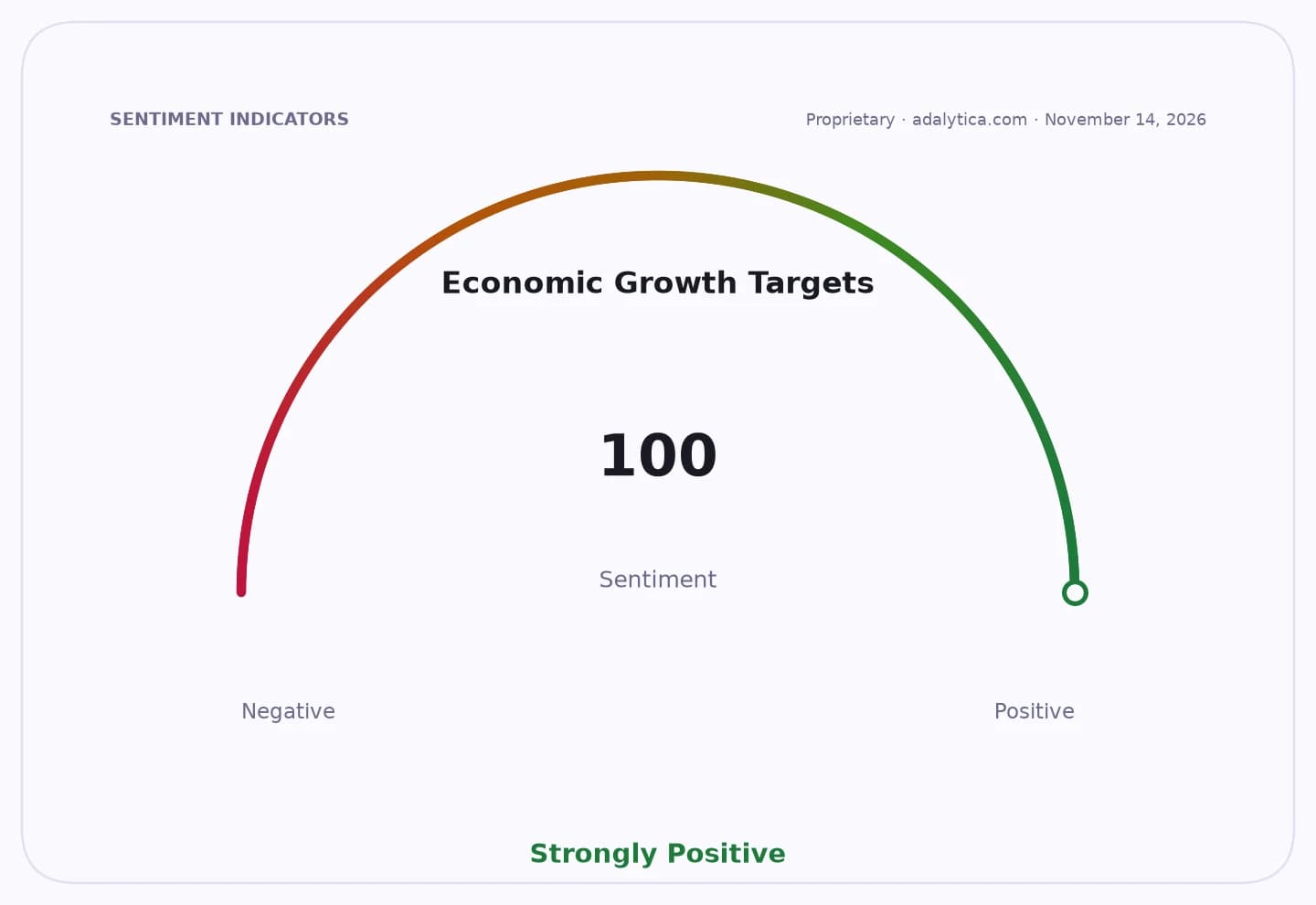
Sentiment Indicators
The cases span private moneylenders, finance companies, co-operative banks, digital lending and family-guaranteed loans. In Pimpri Chinchwad near Pune, a pharmacy owner, his wife and their 10-year-old son were found dead after alleged pressure from moneylenders over high-interest loans. In Mumbai, a truck driver allegedly died by suicide after recovery calls continued even after his vehicle documents were taken for missed instalments. In Indore, a bank employee shot himself as a recovery team arrived to take possession of his mortgaged property on a Rs 2.5 crore loan. Similar allegations surfaced in Hyderabad, Gujarat, Jaipur and Latur, where families and borrowers described persistent calls, humiliation and threats tied to unpaid dues.
For banks and non-bank lenders, the wider significance is clear. Rising delinquency is not only a balance-sheet issue; it is now an operational and reputational risk. Reuters-style readings from listed lenders in the U.S. show the same dynamic under a different regulatory regime: Capital One’s charge-off and delinquency data, and Synchrony’s 4.77% credit-card charge-off rate in the September quarter, underscore how quickly consumer stress can show up in credit losses when the economy softens. In India, the News context points to a nearly 27% surge in bad debt at 28 listed banks after nine months, with 24 of the top 28 banks reporting higher bad debt balances in the third quarter of 2026. That combination tends to tighten underwriting, raise collection intensity and push regulators to intervene.
The investor takeaway is that credit growth built on stretched households is fragile. Lenders may initially benefit from higher yields on unsecured and high-cost lending, but the back end of the cycle brings rising provisions, more write-offs and greater political and regulatory scrutiny. The cases also raise red flags around digital lending platforms and third-party recovery agents, where weak disclosure and aggressive collection methods can damage franchise value and invite legal risk.
The bull case for lenders is that tighter collection standards and better documentation could reduce abuse without choking off access to formal credit. The bear case is more troubling: if households keep relying on expensive borrowing to cover business losses, medical bills or housing purchases, then defaults, distress sales and social backlash will keep rising, forcing lenders to pull back and making credit scarcer for the borrowers who need it most.
For investors, the next catalysts are not just loan-loss numbers, but enforcement. Police investigations, possible prosecutions of recovery agents and scrutiny of lenders’ collection practices could prompt stricter rules on lending, documentation and recovery. That would be a warning sign for the high-growth consumer credit model across India and other markets where debt expansion has outpaced borrowers’ ability to repay.
| Entity | Gains | Losses |
|---|---|---|
| Borrowers and families | ▲Access to urgent cash | ▼Stress, harassment, defaults |
| Banks and NBFCs | ▲Interest income on lending | ▼Higher delinquencies, legal risk |
| Recovery agents | ▲Collection incentives | ▼Scrutiny, arrests, reputational damage |
| Regulators and police | ▲Scope to tighten oversight | ▼Pressure to act after tragedies |