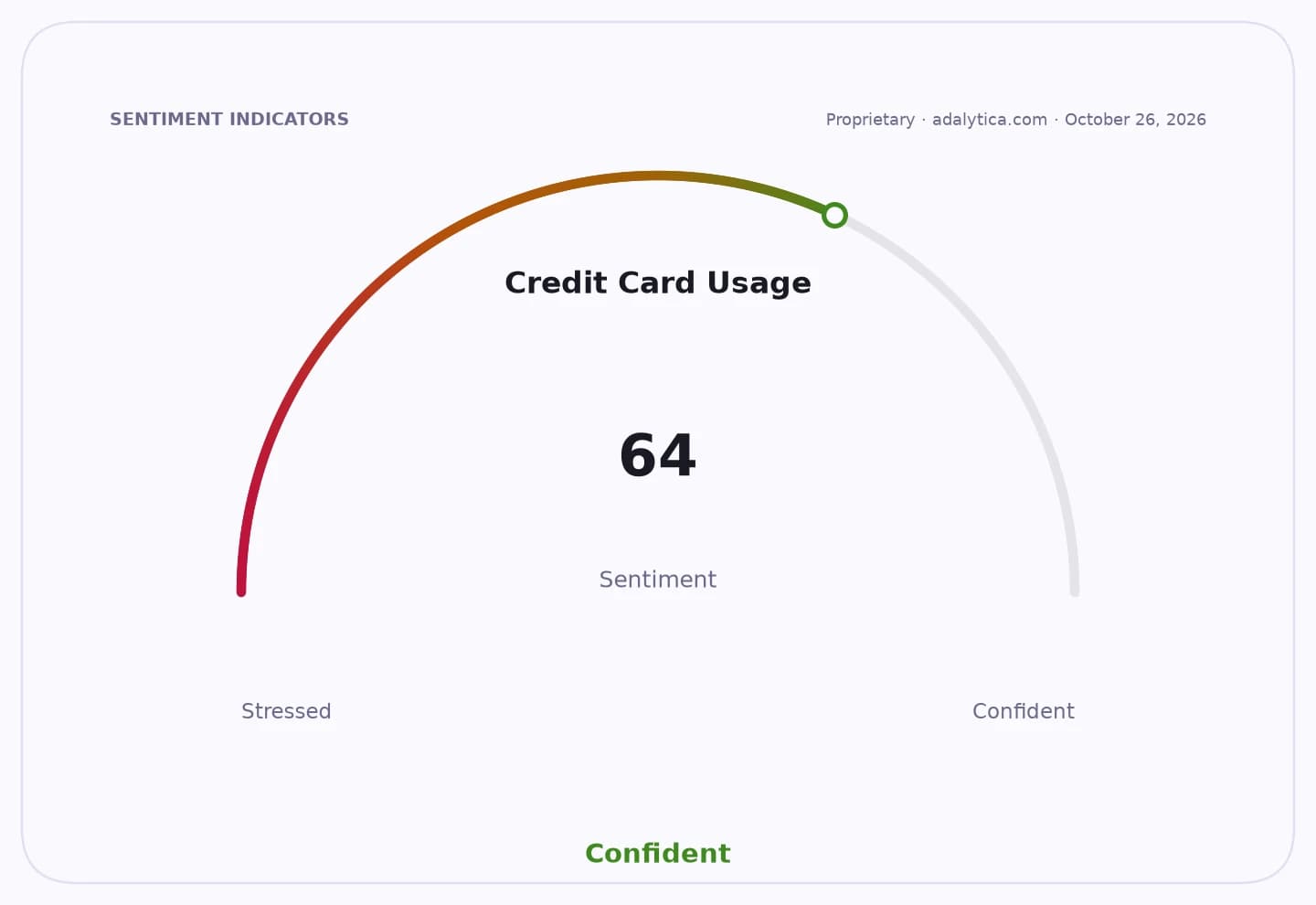
A growing number of Russian borrowers are finding out the hard way that a credit card is not a shield against state collection efforts, and the result can be ugly: missed grace periods, fresh interest charges and damage to a credit history that can linger for years.
Russia tax seizures can override credit card payments
The key economic point is simple. When the Federal Tax Service pursues old debts, money sitting on a card-linked account can be seized before it is applied to the borrower’s credit-card balance, because Russian law gives tax collection a higher priority than ordinary consumer repayment instructions. That turns what many households thought was a safe, last-minute payment tool into a liability-management trap.
Lawyers quoted by MSK1.RU say this is not a case of arbitrary behavior by tax officials or banks. It is the mechanical result of enforcement rules and payment priority under Russia’s civil and tax codes. In practice, a taxpayer who rushes to top up a credit card near the end of a grace period may see the funds diverted to an outstanding tax claim, leaving the card unpaid and triggering interest at the bank’s standard rate.
That matters because credit cards are often used as short-term liquidity buffers for households already under strain. If the bank receives the money too late, or if the state’s claim is processed first, the borrower loses not only the grace period but also the chance to preserve credit standing. For a household trying to manage cash flow month to month, that can be expensive in a way that compounds quickly.
The story also points to a broader tightening of enforcement. The legal backdrop is changing further from Nov. 1, 2025, when Russian tax authorities will be able to collect undisputed personal tax arrears without going to court, after first issuing a demand and a collection decision. That makes it even more important for households to check liabilities before making large card payments, especially when deadlines are close.
For investors, the implication is less about one borrower’s bad day and more about the pressure building across consumer balance sheets. If tax collection becomes more efficient while household finances remain tight, lenders may see more payment disruptions, more disputes over charges and more stress in consumer credit quality. That is especially relevant for banks and lenders exposed to unsecured borrowing, where small timing errors can quickly become delinquency.
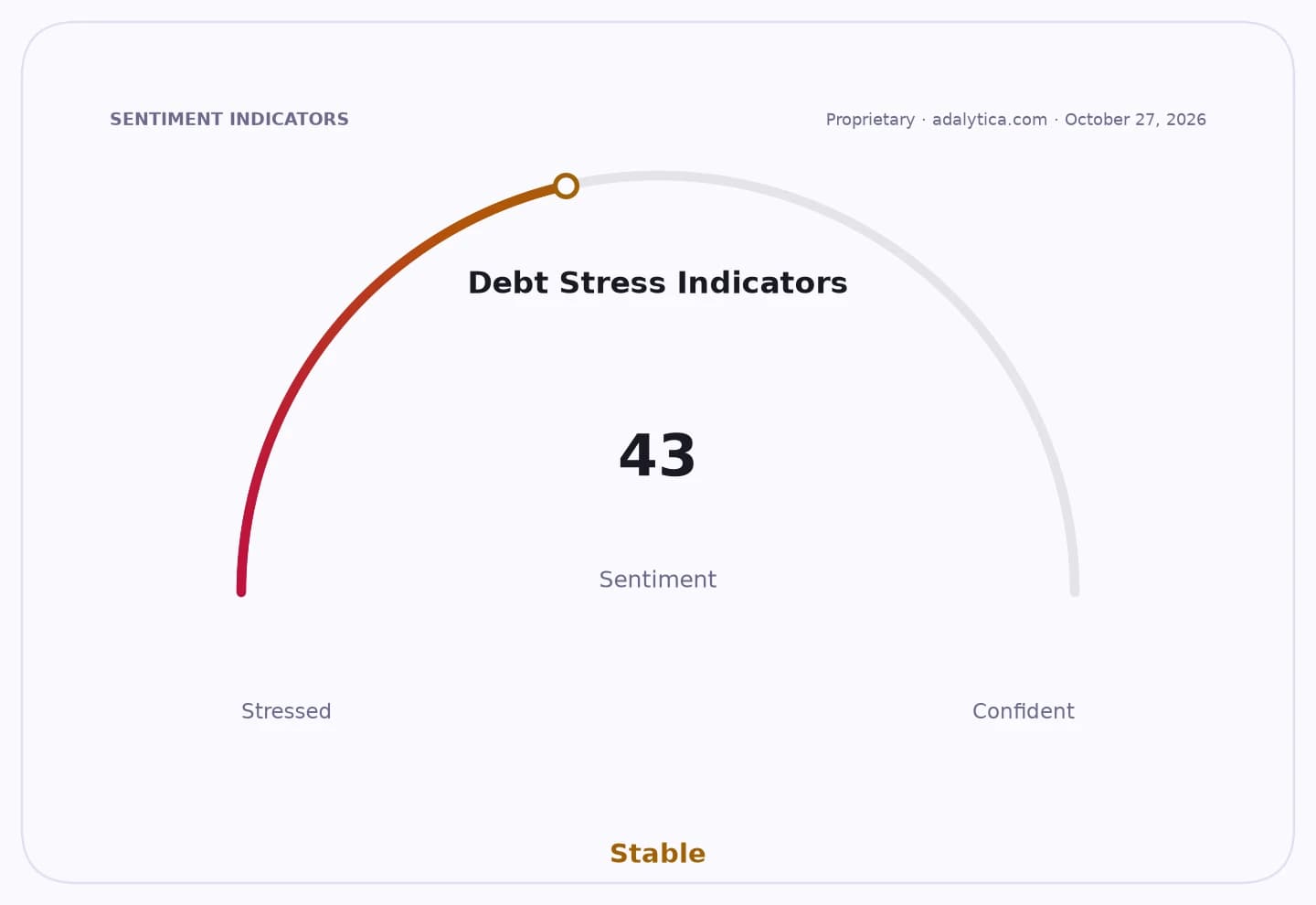
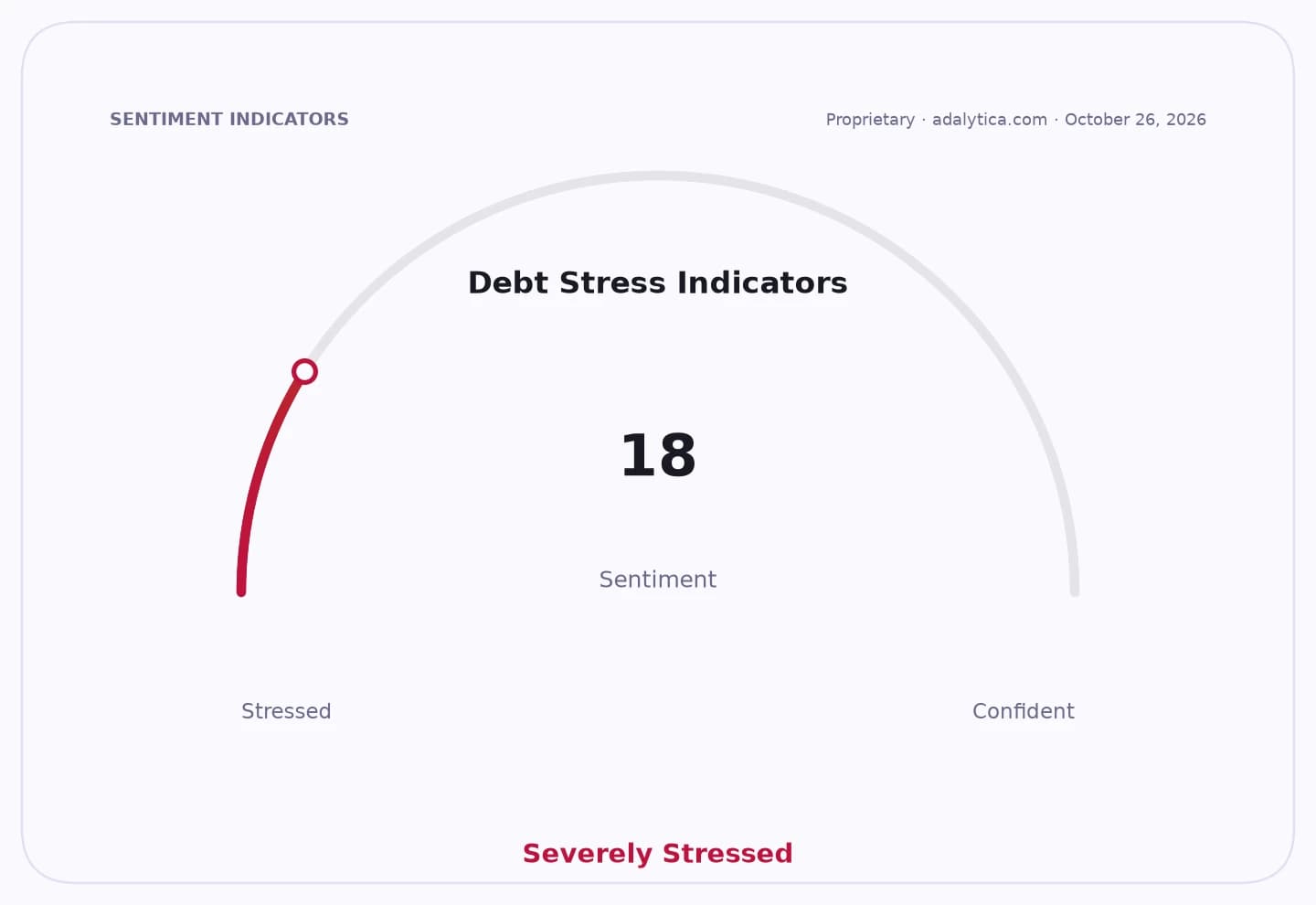
It also helps explain why financial stress indicators can worsen even when headline sentiment looks stable. Adalytica’s Household Debt Stress Sentiment gauge is showing “Fear,” with awareness at “Extreme Fear,” a sign that households are highly sensitive to cash-flow shocks. In that environment, the difference between a timely payment and a seized deposit can decide whether a borrower stays current.
For long-term investors, the takeaway is not to trade this headline, but to understand the behavior it reveals. Households that rely on credit cards as a financing bridge need more caution, not less, and banks with broad consumer lending books will need to watch delinquency trends closely. This is a reminder that in a tighter collection regime, cash management matters, and so does the quality of the borrower base.
| Entity | Gains | Losses |
|---|---|---|
| Federal Tax Service | ▲Faster debt collection | ▼Less room for borrower delay |
| Russian borrowers | ▲Clearer legal guidance | ▼Risk of seized card funds |
| Consumer lenders | ▲Better payment discipline over time | ▼More disputes and credit stress |
| Households with tight cash flow | ▲N/A | ▼Lost grace periods and higher interest |