A widening credit squeeze in Russia is pushing households toward pawnshops and microfinance firms, a sign that formal bank lending is becoming harder to access just as borrowing costs stay painfully high.
Russia households turn to pawnshops as credit tightens
That shift matters because it shows how tighter regulation and elevated interest rates are changing the way ordinary Russians fund everyday life. When banks demand more paperwork, more collateral and stronger proof of income, the borrowers most in need of cash often end up outside the mainstream system. In economic terms, that usually means more expensive credit, more financial fragility and less healthy consumer spending.
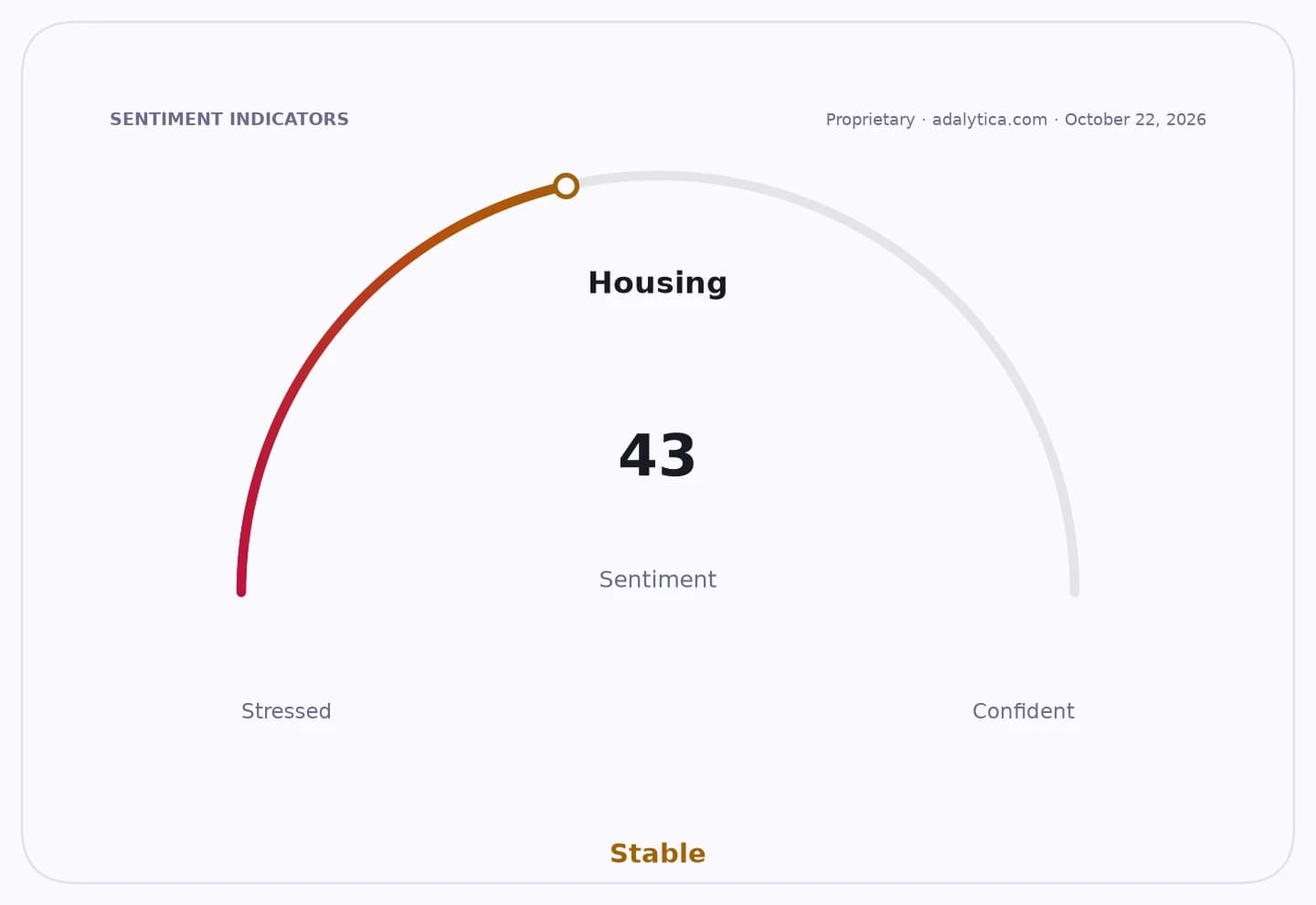
Sentiment IndicatorsⓘProprietary · adalytica.com · October 24, 2026
This is a snapshot — live sentiment, awareness and momentum for 130+ markets update continuously in the dashboard.Open AlphaPulse
The clearest sign is a new survey cited by Russian media showing 68% of respondents would consider a pawnshop as an alternative to a bank or microfinance lender. One in three said they now see pawnshops as a normal and familiar financial institution. That is a striking change in behavior, and it underlines how quickly households adapt when traditional lenders pull back.
Financier and investment banker Yevgeny Kogan said the problem is simple: banks have made credit difficult to obtain. He pointed to heavy documentation requirements and the Bank of Russia’s tight policy stance, which has kept the key rate at 14% and lifted the cost of borrowing across the economy. For many consumers, that leaves two unattractive choices — high-cost microloans or pledging valuables at a pawnshop.
That is not just a consumer story. It also tells investors something important about Russia’s financial system. Banks may be becoming more profitable overall, as some experts expect, but that does not mean credit is reaching the households and small businesses that drive domestic demand. A banking sector that is shrinking its regional footprint and stepping back from mortgages can still post strong earnings while leaving a gap that less regulated lenders rush to fill.
For lenders outside the traditional system, that gap is an opportunity. Pawnshops and microfinance companies gain customers who have no collateral, weak formal income records or no patience for bank paperwork. The losers are households paying more for shorter-term money, and banks that risk ceding part of the consumer market to quicker, less demanding competitors.
For long-term investors, the broader lesson is that tight credit can reshape behavior for years, not months. In Russia, the pressure on households to find cash wherever they can is a warning sign about purchasing power, credit quality and financial stress — even if bank profits stay resilient. That makes the mainstream banking sector worth watching, but it also keeps the alternative-lending trade in focus as a structural winner from the squeeze.
| Entity | Gains | Losses |
|---|---|---|
| Pawnshops | ▲More borrowers | ▼Reputation risk |
| Microfinance lenders | ▲Higher demand | ▼Credit risk |
| Russian banks | ▲Higher margins | ▼Loan growth |
| Russian households | ▲Faster cash access | ▼Higher borrowing costs |