Russia’s central bank is moving to pull more household obligations into the credit file, and lawmakers are backing the effort because it could sharpen lenders’ view of borrower stress at a time when debt burdens are rising.
Russia Central Bank to Add Household Debt to Credit Files
Senator Vladimir Pushkarev said the regulator’s plan to send information on housing and utility arrears, alimony debt and developer installment plans to credit history bureaus is legally justified and economically necessary, arguing that banks currently see only “the top of the iceberg” when assessing repayment capacity. The change would broaden the pool of obligations feeding into credit decisions and make it harder for borrowers with hidden liabilities to keep taking on new debt.
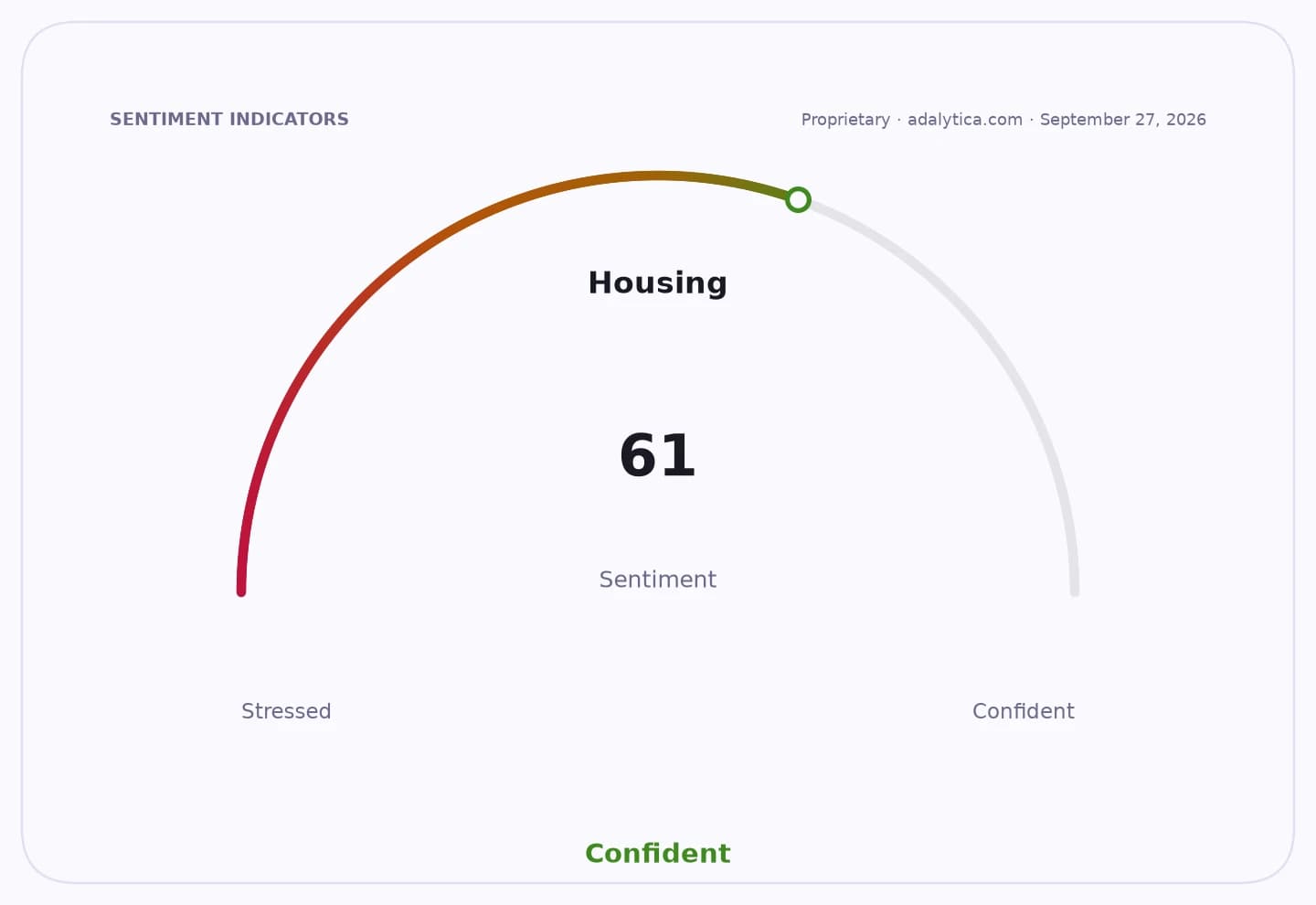
Sentiment IndicatorsⓘProprietary · adalytica.com · September 26, 2026
This is a snapshot — live sentiment, awareness and momentum for 130+ markets update continuously in the dashboard.Open AlphaPulse
The stakes are not trivial. Pushkarev said more than 150 organizations across 50 regions already send some debt data to bureaus, but that still leaves large gaps in the picture. He singled out installment debt, which he said has reached about 1.5 trillion rubles, as evidence that household leverage has become large enough to matter for underwriting standards and default risk.
For lenders, the policy could improve risk pricing and reduce fresh lending to borrowers already under strain. That would help banks and non-bank creditors avoid extending credit to households that are juggling payments across multiple channels, including utility bills and court-ordered obligations that do not always show up in a standard loan file. For regulators, the measure fits a broader push to contain a slow-moving buildup in consumer credit stress before it turns into higher non-performing loans.
The argument from supporters is that the rule should not meaningfully affect good borrowers, only those already close to insolvency. That is also the political logic of the move: it frames the measure as a transparency upgrade rather than a credit squeeze. But the bear case is that better disclosure can still tighten access to funding for lower-income households and people with irregular payment histories, especially if banks respond by becoming more conservative on unsecured lending.
The economic backdrop makes the initiative more consequential. Russian households, like borrowers in other credit-heavy markets, have been leaning on borrowing to sustain consumption, while regulators worry that a growing share of debt service is being funded with new loans. Bringing more of those liabilities into the credit bureau system would give banks a fuller view of repayment pressure and could slow the flow of credit to the weakest borrowers.
For investors, the question is not only whether the policy reduces losses, but whether it compresses loan growth and margins across consumer lenders. If the new reporting framework is implemented cleanly, it should improve portfolio quality over time. If it is delayed, incomplete or inconsistent, it could create false comfort, with lenders still underwriting against an incomplete picture of debt service capacity.
The next test will be technical as much as political: whether debt data from courts, utility providers and developers can be updated quickly enough to avoid lagging records that misclassify borrowers who have already paid. That detail will determine whether the central bank’s initiative becomes a meaningful risk-management tool or just another layer of bureaucracy around an already stressed consumer credit market.
| Entity | Gains | Losses |
|---|---|---|
| Banks and lenders | ▲Better borrower visibility | ▼Slower loan growth |
| Credit bureaus | ▲More data coverage | ▼Higher processing burden |
| Indebted households | ▲Incentive for cleaner credit profiles | ▼Tighter access for risky borrowers |
| Central bank and regulators | ▲Stronger credit oversight | ▼Blame if implementation lags |