For borrowers facing double-digit mortgage costs, the central question is no longer whether to pay down debt early, but whether doing so should cut the loan term, trim the monthly bill or be avoided altogether.
Russia mortgage rules and prepayment strategy
That is becoming more important as housing finance gets tighter in Russia and the wider market remains expensive. The Russian finance ministry is tightening family-mortgage rules from Oct. 1 to make the program more targeted and sustainable, while in Kazakhstan advisers are warning that on mortgages charging 20% or more, the wrong prepayment strategy can leave households overextended instead of safer.
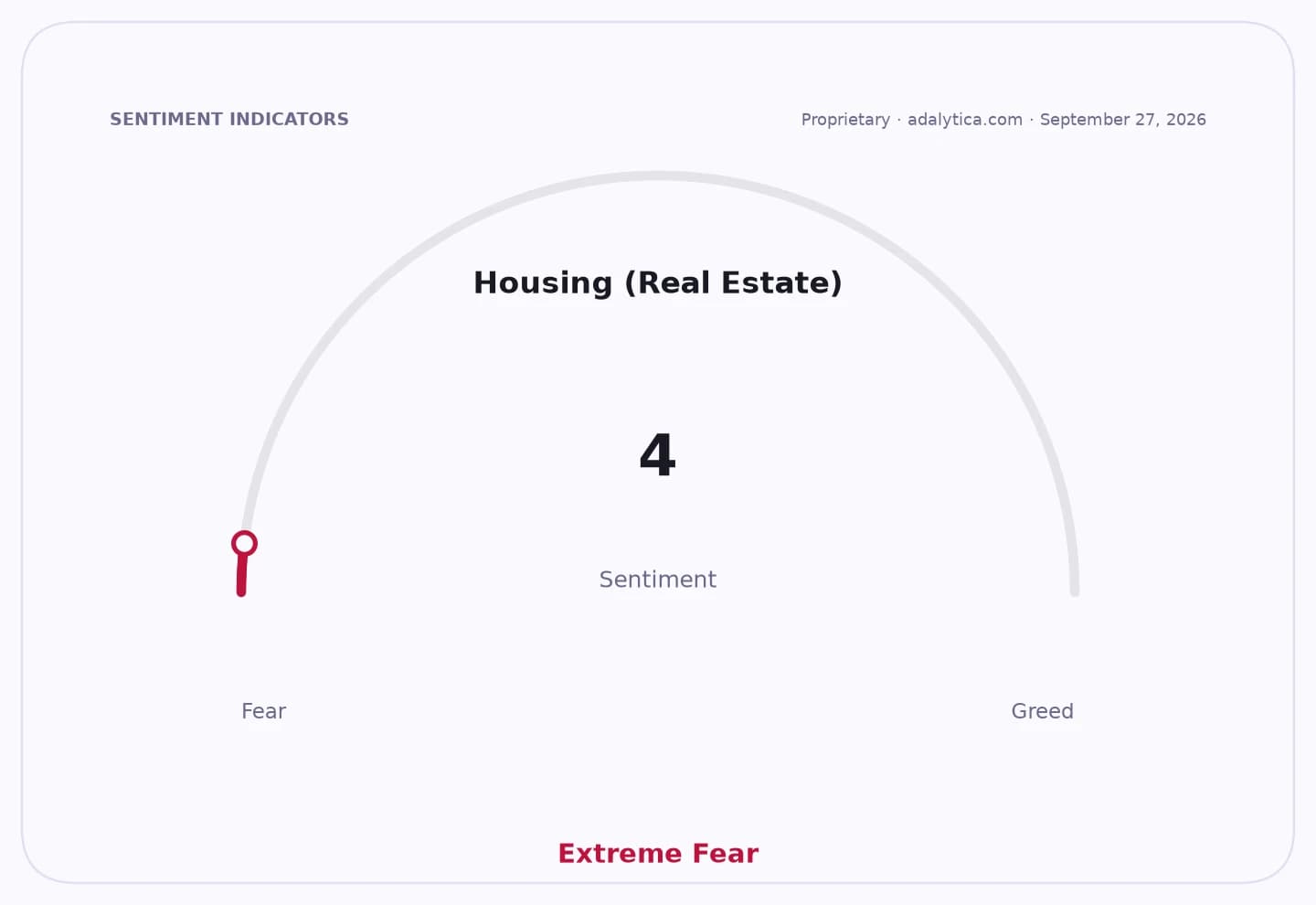
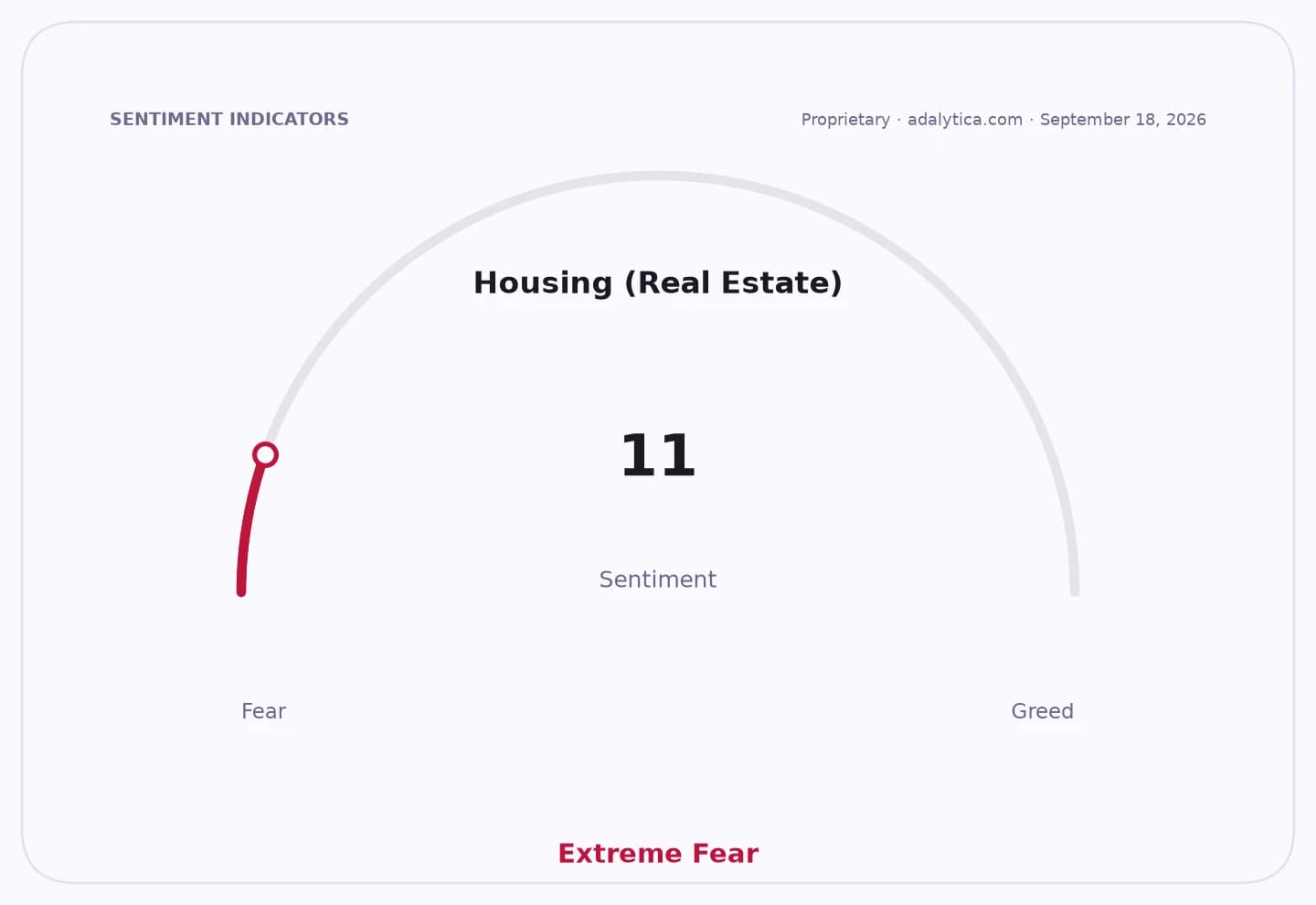
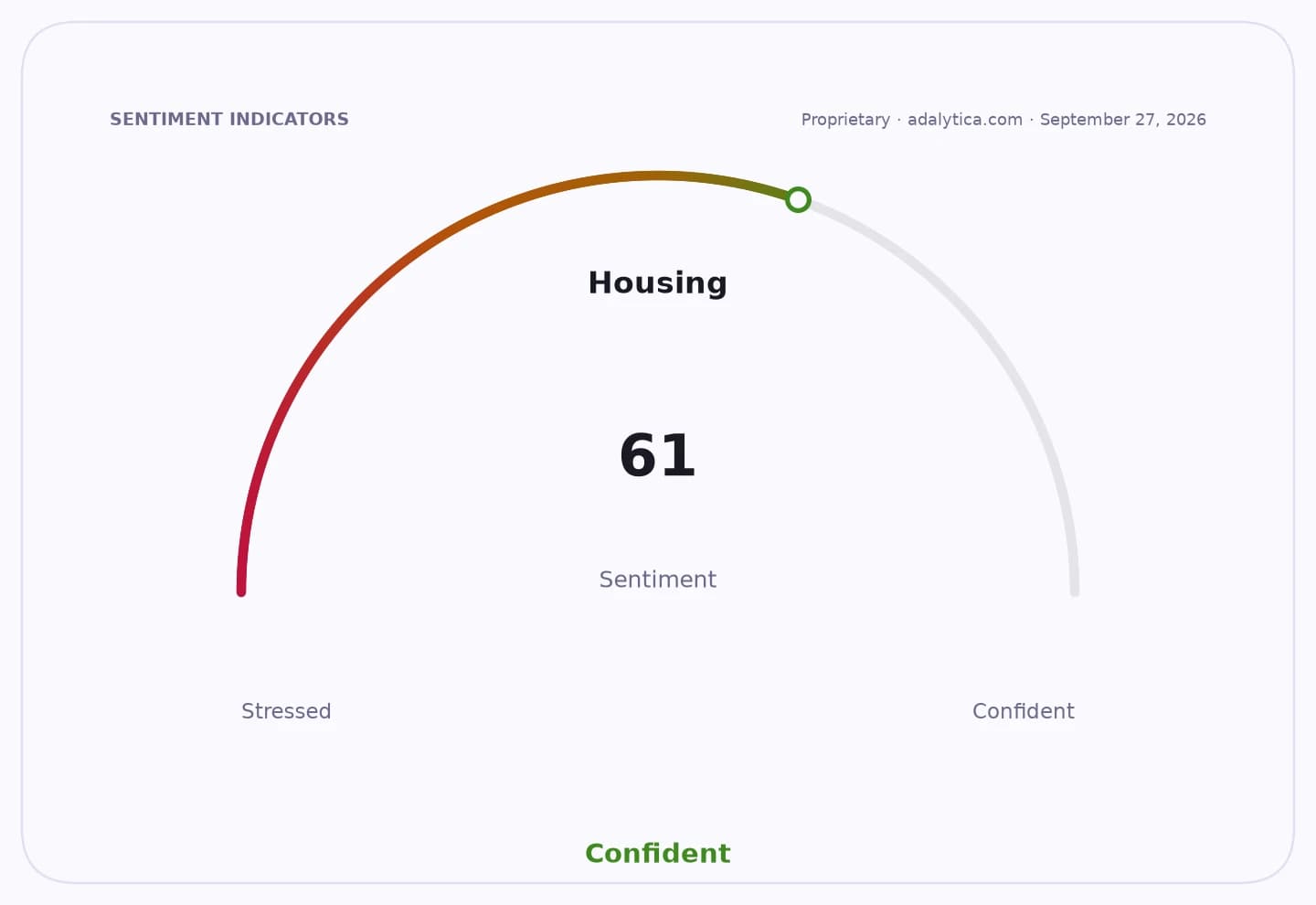
Sentiment IndicatorsⓘProprietary · adalytica.com · September 27, 2026
This is a snapshot — live sentiment, awareness and momentum for 130+ markets update continuously in the dashboard.Open AlphaPulse
The practical issue is economic, not just personal finance advice. At current borrowing costs, a household that uses spare cash to shorten a loan may indeed reduce total interest, but it also raises the required monthly payment and reduces flexibility if income falls. That matters when mortgage burdens are already absorbing a large share of income and when job losses, illness or weaker earnings can quickly turn a manageable loan into a stress point.
The argument for reducing the payment is strongest on expensive market-rate loans. One Kazakhstan adviser cited a typical example: a 30 million tenge home with a 24 million tenge loan at 21% over 15 years produces a monthly payment of about 439,347 tenge and total interest of roughly 55.1 million tenge. In that setting, pushing prepayments into a lower monthly obligation can preserve cash flow and allow the borrower to rebuild a buffer before resuming extra principal payments.
That liquidity cushion is the real divider between households that can use prepayment aggressively and those that cannot. Advisers say borrowers should ideally keep three to six months of essential expenses in reserve, and 6 to 12 months is even better for comfort. Without that buffer, reducing the loan term may look optimal on paper but can be dangerous in practice, because it raises the fixed burden precisely when the borrower is most vulnerable to a shock.
There is also a macroeconomic reason early repayment is less straightforward than it appears. When inflation runs above a low mortgage rate, debt is eroded over time in real terms, so paying it off early can be less attractive than keeping cash in a deposit or using it for higher-return opportunities. That logic is especially relevant for subsidized loans and for home-savings products such as Kazakhstan’s Otbasy Bank, where advisers say the priority is often to build the qualifying deposit faster rather than rush to extinguish the loan.
For investors, the implication is that mortgage prepayments can support household resilience even if they slow lender interest income at the margin. Voluntary payoffs reduce balances for mortgage originators and servicers, while lower monthly obligations can help keep borrowers current. In a higher-rate environment, that trade-off may favor credit quality over near-term yield, especially if governments tighten affordability rules to prevent excessive borrowing.
The clearest conclusion is that there is no universal answer. Shortening the term maximizes interest savings for borrowers with strong cash reserves and stable income; lowering the payment protects those with thinner buffers; and in low-rate or subsidized programs, leaving the loan alone may be rational if the cash can earn more elsewhere. The new mortgage rules and the rising cost of housing finance are forcing households, lenders and policymakers to treat prepayment as a balance-sheet decision, not an automatic one.
| Entity | Gains | Losses |
|---|---|---|
| Borrowers with cash buffers | ▲Lower total interest | ▼Less liquidity |
| Borrowers without savings | ▲Lower monthly payment | ▼Slower debt reduction |
| Mortgage lenders | ▲Fewer defaults | ▼Lower interest income |
| Governments / housing programs | ▲More sustainable lending | ▼Less rapid loan payoff |