Homeowners are leaving money on the table on a scale that is large enough to reshape household finances, with a Bankrate analysis saying the typical borrower could save more than $3,300 a year by comparing mortgage offers instead of accepting the first quote.
Mortgage Shoppers Could Save $3,300 a Year

That makes mortgage shopping less a consumer tip than a material wealth issue. Bankrate said nine in 10 homeowners overpay on their mortgages because they do not compare rates and fees, a gap that it described as a hidden homeownership tax. Over a 30-year loan, the avoidable cost rises to more than $78,000, money that could otherwise flow into retirement accounts, debt reduction or other spending.
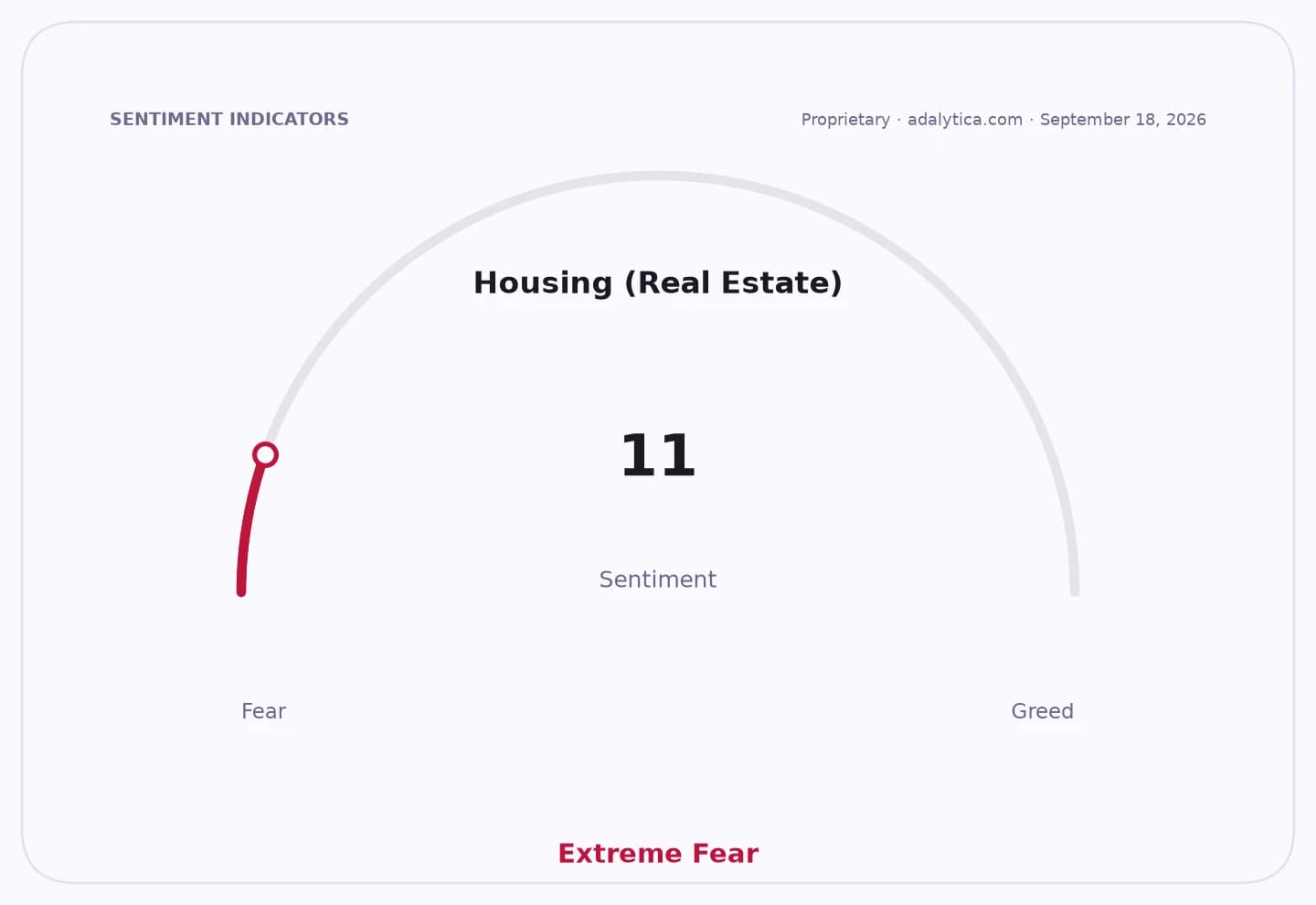
Sentiment IndicatorsⓘProprietary · adalytica.com · September 26, 2026
This is a snapshot — live sentiment, awareness and momentum for 130+ markets update continuously in the dashboard.Open AlphaPulse
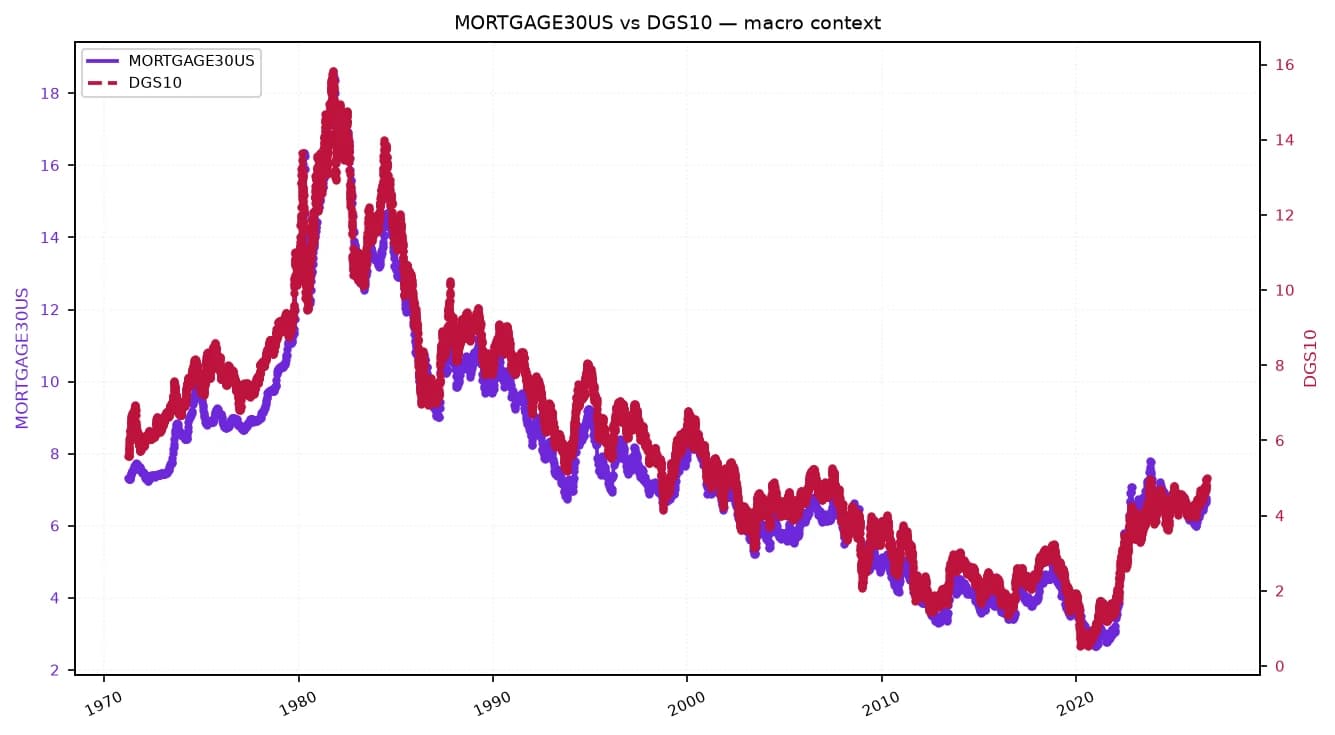
The finding lands in a mortgage market that is still expensive by recent standards. The average 30-year fixed rate was 7.03% this week, according to Freddie Mac data, while the federal funds rate sat at 3.63%, leaving borrowing costs high enough to keep monthly payments elevated and refinancing incentives uneven. The 10-year Treasury yield, a key benchmark for mortgage pricing, was around 5%, underscoring why lenders can still charge meaningfully different rates and fees even in the same week.
For borrowers, the difference between the best and worst quote can be substantial because mortgage pricing is not just about headline rates. Discount points, origination fees and other closing costs can easily change the economics of a loan, especially for first-time buyers and families stretching to qualify. Bankrate advised borrowers to seek multiple quotes on the same day and ask for itemized offers, a reminder that even modest rate differences compound quickly over decades.
The story also speaks to a broader strain in housing affordability. Higher mortgage costs have left many homeowners reluctant to move and many buyers priced out, which reduces turnover in the housing market and keeps pressure on consumer balance sheets. Surveys from housing sentiment gauges show only neutral readings, suggesting households remain cautious even as competition among lenders intensifies.
That competition is already visible in the mortgage industry. Credit unions have expanded mortgage lending as banks cut rates in a bid for business, while loan originators and servicers have been leaning harder on refinancing, servicing income and execution gains to protect revenue. For lenders, that helps volumes, but it also compresses margins and raises the stakes for winning borrowers who are willing to shop.
Investors should care because the message cuts both ways. Borrowers who negotiate harder can trim lifetime costs dramatically, but lenders that rely on sticky customers may face more price competition than they expect. In a market where financing costs remain elevated and mortgage-related assets are sensitive to interest-rate moves, the next leg of the housing cycle may depend less on where rates are headed than on how aggressively consumers compare the ones they are offered.
| Entity | Gains | Losses |
|---|---|---|
| Borrowers who shop around | ▲Lower rates and fees | ▼Less overpayment |
| Lenders with competitive pricing | ▲More applications and volume | ▼Thinner margins |
| Lenders relying on inertia | ▲Fewer easy wins | ▼Lost business |
| Housing consumers overall | ▲Better affordability discipline | ▼Higher lifetime borrowing costs |