Mortgage rates are edging toward 7%, and that matters because the housing market is now being squeezed less by a lack of homes than by the cost of financing them.
Mortgage rates near 7% pressure U.S. housing

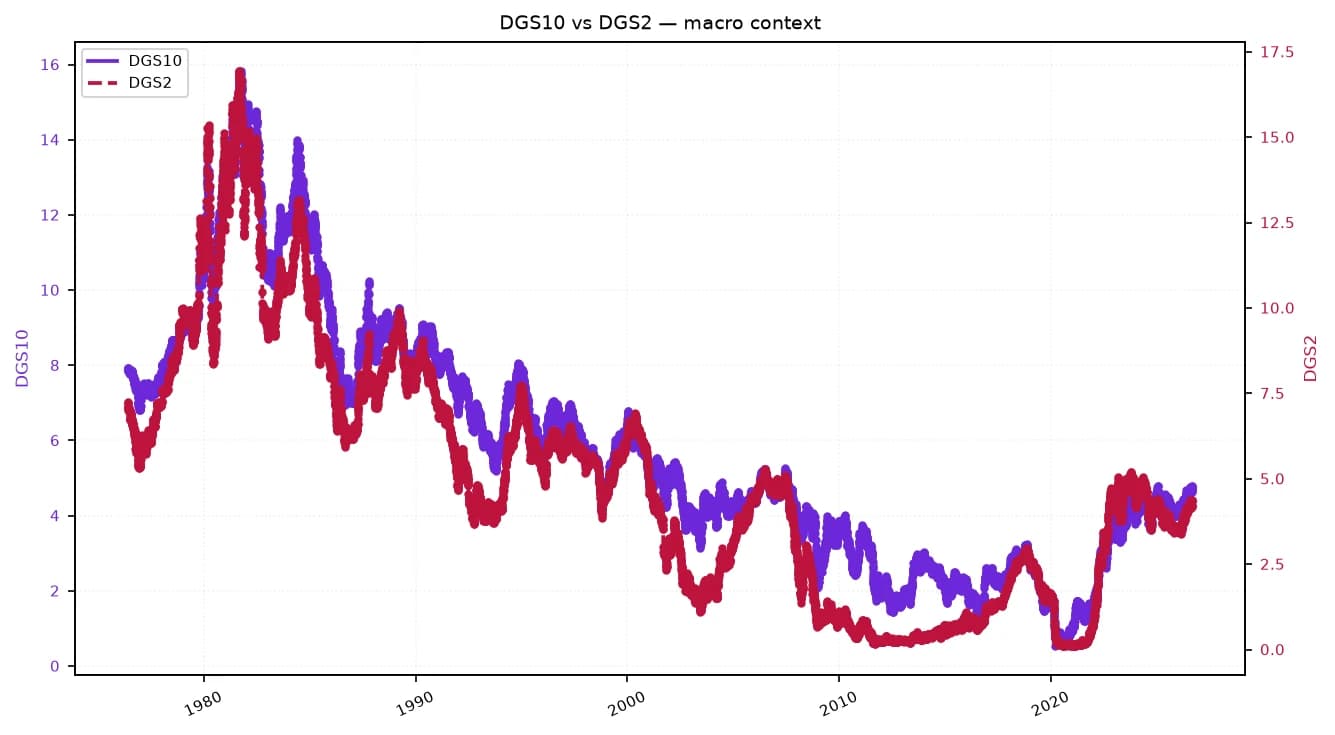
The average 30-year fixed mortgage rate rose to 6.71% in early September, the highest since July last year, after five major banks lifted fixed-rate offers in response to rising long-term borrowing costs. That move tracks the 10-year Treasury yield, which has climbed to 4.80%, reinforcing the message that mortgage pricing is being driven by stubborn inflation fears rather than a temporary market wobble.
Sentiment IndicatorsⓘProprietary · adalytica.com · September 10, 2026
This is a snapshot — live sentiment, awareness and momentum for 130+ markets update continuously in the dashboard.Open AlphaPulse
For homeowners and buyers, the difference between 6.7% and 7% is not cosmetic. It reduces affordability further at a time when U.S. housing remains locked up by already high prices and thin inventory. The result is fewer transactions, slower turnover and more strain on first-time buyers, exactly when the market would normally be relying on rate relief to revive demand.
Investors should read this as a second-order inflation story with direct implications for capital flows. Higher mortgage rates support bank lending margins, but they also pressure mortgage originators, homebuilders and housing-related platforms that depend on transaction volume. The MBB mortgage bond ETF has been drifting around $92, while TLT, the long-duration Treasury ETF, has slipped to $81.73, reflecting renewed weakness in rate-sensitive fixed income. In contrast, the ITB homebuilder ETF has dropped to $90.31 from above $100 in mid-August, a clear sign that housing equities are pricing in a tougher affordability backdrop.
The bigger narrative is that the bond market is no longer assuming an easy glide path to lower rates. Forecasts for the 10-year Treasury around 4.789% suggest the market is prepared for yields to stay elevated, and that keeps 7% mortgage rates very much in play if inflation proves sticky or central banks remain hawkish. Adalytica’s Treasury-bond signals show extreme greed in TLT, while housing and rent inflation sentiment remains elevated, underscoring how crowded the “rates will fall” trade has become.
That is why this setup matters beyond housing. A 7% mortgage rate would deepen the freeze in the U.S. existing-home market, reinforce the move toward rental demand, and keep pressure on policymakers to find stopgap measures that do not solve the underlying problem: financing costs are still too high for a market that depends on leverage. The best way to play this environment is to stay selective — favor lenders and housing players that can thrive on tighter supply and defensive demand, and avoid assuming that lower rates will rescue affordability anytime soon.
| Entity | Gains | Losses |
|---|---|---|
| Banks | ▲Wider lending margins | ▼Rate-sensitive borrowers |
| Homebuilders | ▲Scarce supply supports pricing | ▼Slower sales volume |
| Mortgage originators | ▲Higher refinance/loan complexity opportunity | ▼Lower purchase affordability |
| Treasury bond holders | ▲Yield support on new cash | ▼Price pressure on long-duration funds |