Russia is widening access to its subsidized 3% rural mortgage program to workers in agriculture and social services in the countryside, as well as to participants in the war in Ukraine and their spouses, a move that reinforces the state’s push to hold up housing demand outside major cities while supporting strategically important households.
Russia Expands 3% Rural Mortgage Program
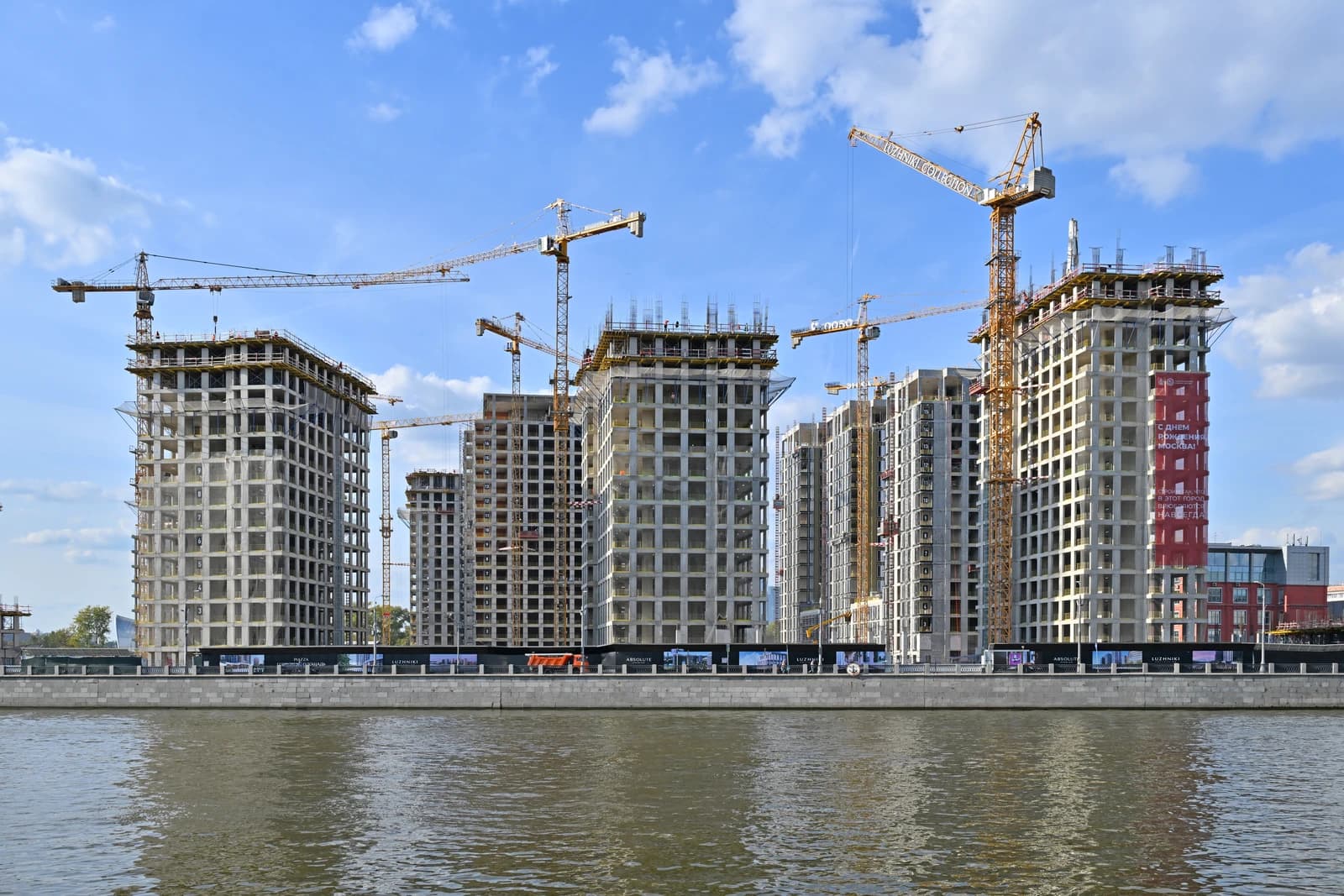
The policy matters because Russia’s housing market remains highly dependent on state support. By extending cheap credit to people who live and work in rural areas, the government is trying to sustain construction activity, improve settlement levels and reduce the cost barrier that keeps many families from buying or building homes. The program can cover up to 80% of a property’s cost and run for as long as 25 years, making it one of the most generous tools available to keep mortgage demand alive in lower-income and lower-liquidity regions.
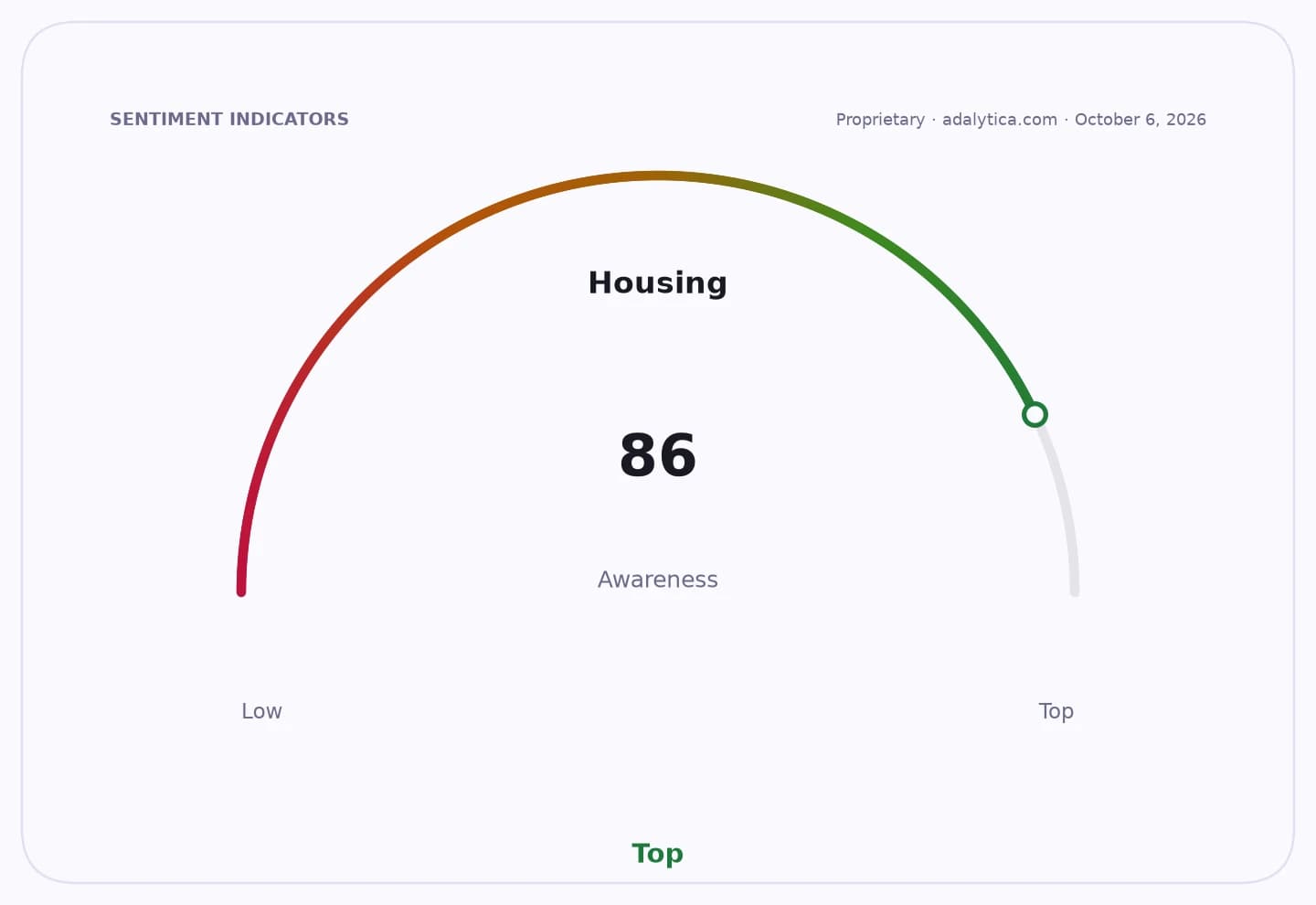
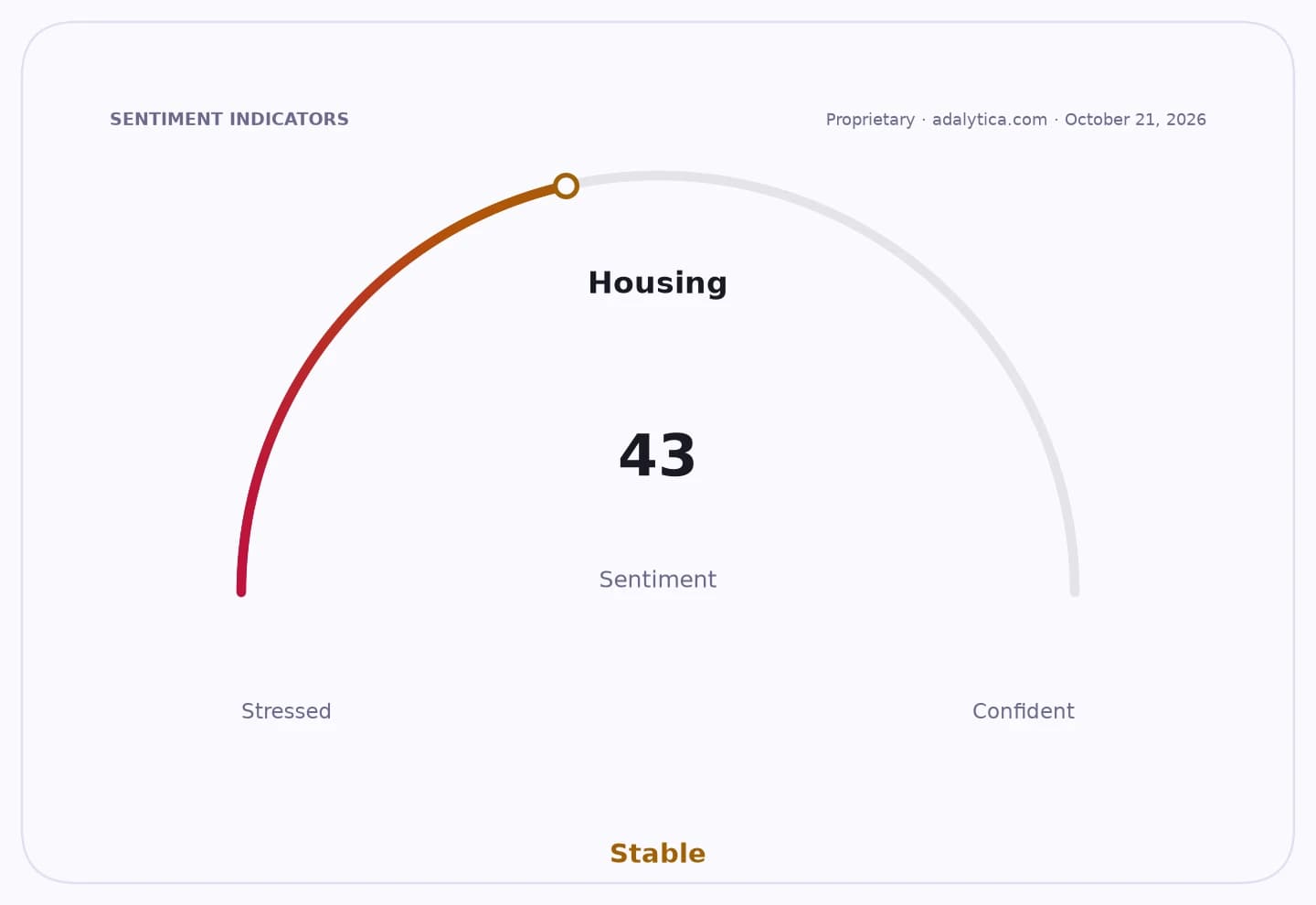
Sentiment IndicatorsⓘProprietary · adalytica.com · October 20, 2026
This is a snapshot — live sentiment, awareness and momentum for 130+ markets update continuously in the dashboard.Open AlphaPulse
The eligibility pool now includes rural teachers, doctors, farmers, social workers, cultural workers such as staff at clubs, libraries and museums, trainers and veterinarians, according to State Duma deputy Ekaterina Stenyakina. War veterans and their wives are also included, and the five-year post-loan work requirement does not apply to them. That distinction is politically significant: Moscow is linking housing support to both rural development and wartime social policy, two priorities that have become more closely intertwined as the state leans on targeted benefits to stabilize households and labor supply.
For investors, the broader implication is that Russia is continuing to use subsidized mortgages as a quasi-fiscal support mechanism rather than allowing housing demand to be set by market rates. With benchmark borrowing costs still elevated by global standards and mortgage affordability under pressure, cheap state-backed lending can prop up construction, building-material demand and related bank loan growth, but it also keeps the state on the hook for a larger share of credit risk. That tends to benefit developers and lenders with exposure to subsidized programs, while limiting pricing power for market-rate mortgage products.
The move also underlines the uneven economics of Russian housing. Rural programs are aimed less at speculative price growth than at basic affordability and demographic policy, which means the main payoff is social and political rather than a broad-based market boom. If enrollment rises, the near-term winners are rural households, local construction firms and banks participating in the scheme. The losers are the budget, which absorbs the subsidy, and potentially private lenders and borrowers outside the program who face a more distorted credit market.
| Entity | Gains | Losses |
|---|---|---|
| Rural workers and war veterans | ▲Cheaper home financing | ▼Less access for outsiders |
| Russian state | ▲Rural retention, political support | ▼Higher subsidy burden |
| Banks in program | ▲Loan volume growth | ▼Margin pressure |
| Market-rate borrowers | ▲None | ▼Relative disadvantage |