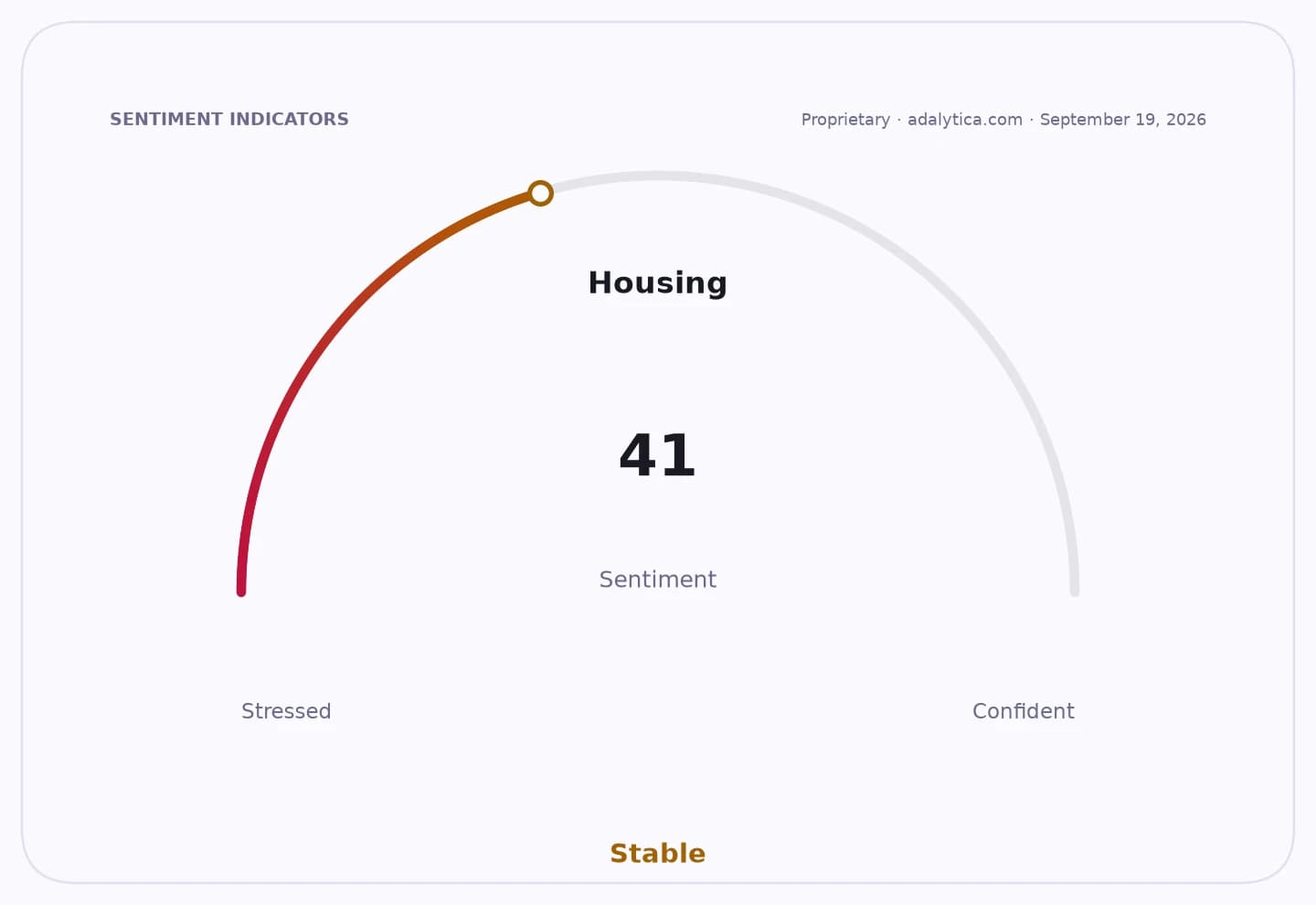
A new Ukrainian housing policy now lets families lower their mortgage rate by having — or adopting — children, a move designed to make homeownership cheaper, keep young households in the country and support demand for new apartments.
Ukraine eOseli mortgage rates cut for families
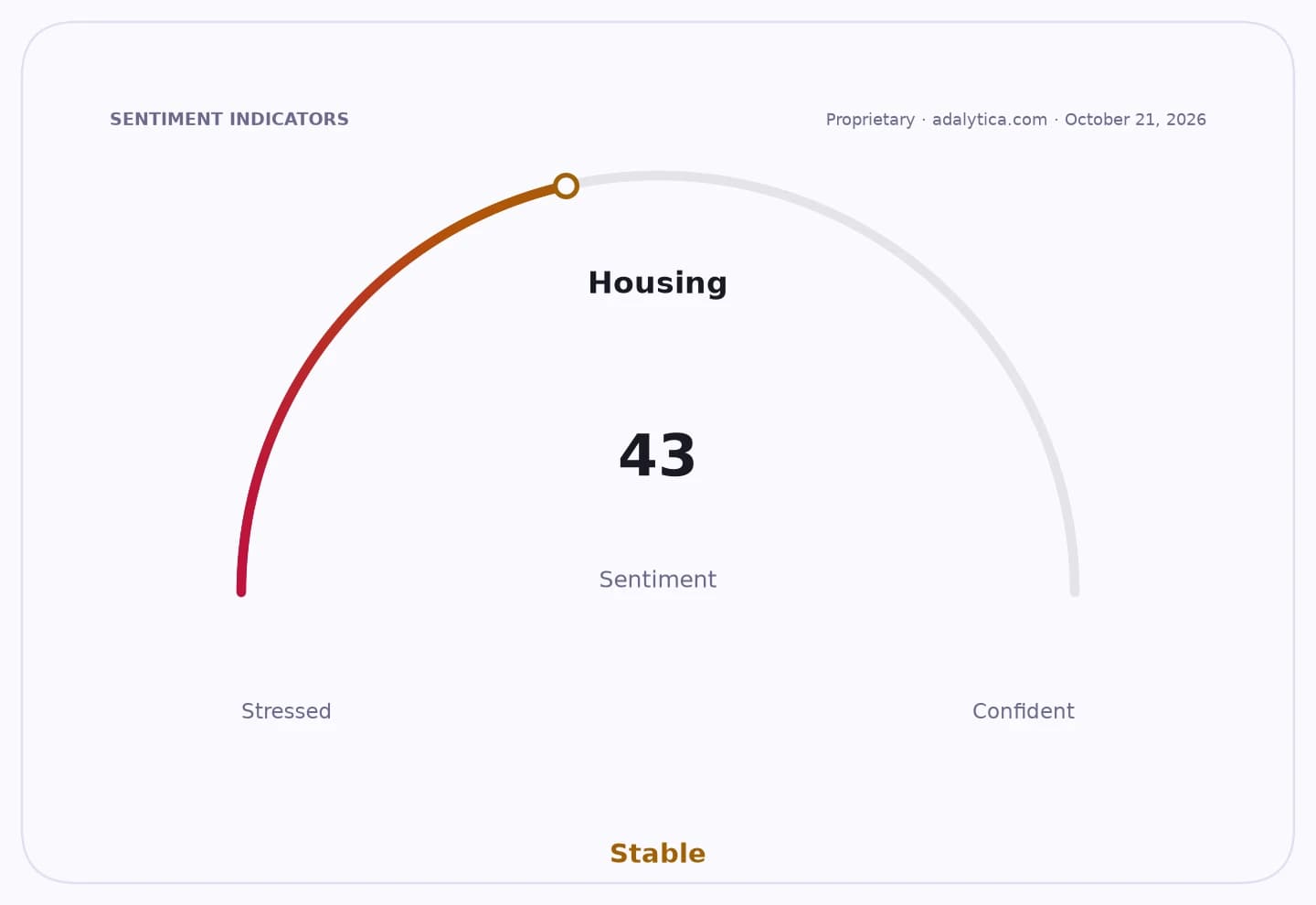
The government has overhauled the state-backed eOseli program for young families, setting a stepped mortgage rate of 7% for the first three years, 10% from year four to year 10 and 12% from year 11 onward. For every child born or adopted after the loan is taken out, the rate falls by 2 percentage points, with a floor of 0.1%.
That is economically meaningful because housing remains one of the biggest constraints on family formation and long-term consumer spending. By linking the cost of credit to household size, Kyiv is trying to ease monthly payments at the exact moment many families face the biggest strain. The policy also allows buyers to purchase larger homes — up to 40% above standard limits — as long as they cover the difference with their own down payment, which should broaden the pool of eligible properties and support demand for newer housing stock.
For investors, the change matters most for the housing ecosystem around the program. Developers of new-build apartments and recently completed homes may benefit from a bigger addressable market, while lenders and mortgage platforms tied to state-subsidized housing could see more activity if the program attracts young borrowers who were previously priced out. At the same time, the tougher asset-screening rules should reduce abuse and make the subsidy more targeted, which improves the odds that the program supports genuine end-user demand rather than speculative buying.
The broader message is that Ukraine is trying to use housing policy as both social policy and economic policy. Lower mortgage payments can encourage families to buy sooner, move into larger homes and make longer-term plans in the country. In a market where affordability remains a central issue, that is a supportive signal for homebuilders and for any business exposed to first-time buyers.
The real test will be execution: whether the tighter verification process keeps the program credible and whether enough quality housing is available at the price points families need. If it works, eOseli could become more than a subsidy program — it could become a small but durable engine for household stability and housing demand.
| Entity | Gains | Losses |
|---|---|---|
| Young families | ▲Lower monthly mortgage cost | ▼Higher debt burden over time |
| Homebuilders | ▲More demand for new housing | ▼Less pressure to cut prices |
| Ukrainian government | ▲Stronger family policy signal | ▼Larger subsidy exposure |
| Cash buyers / non-eligible borrowers | ▲— | ▼Less relative advantage |