Thailand’s Government Housing Bank has launched a 50 billion baht home-loan program with a starting rate of 2.60%, a move designed to steady housing demand as borrowing costs remain a barrier for lower- and middle-income buyers.
Thailand GH Bank launches 50 billion baht home loans
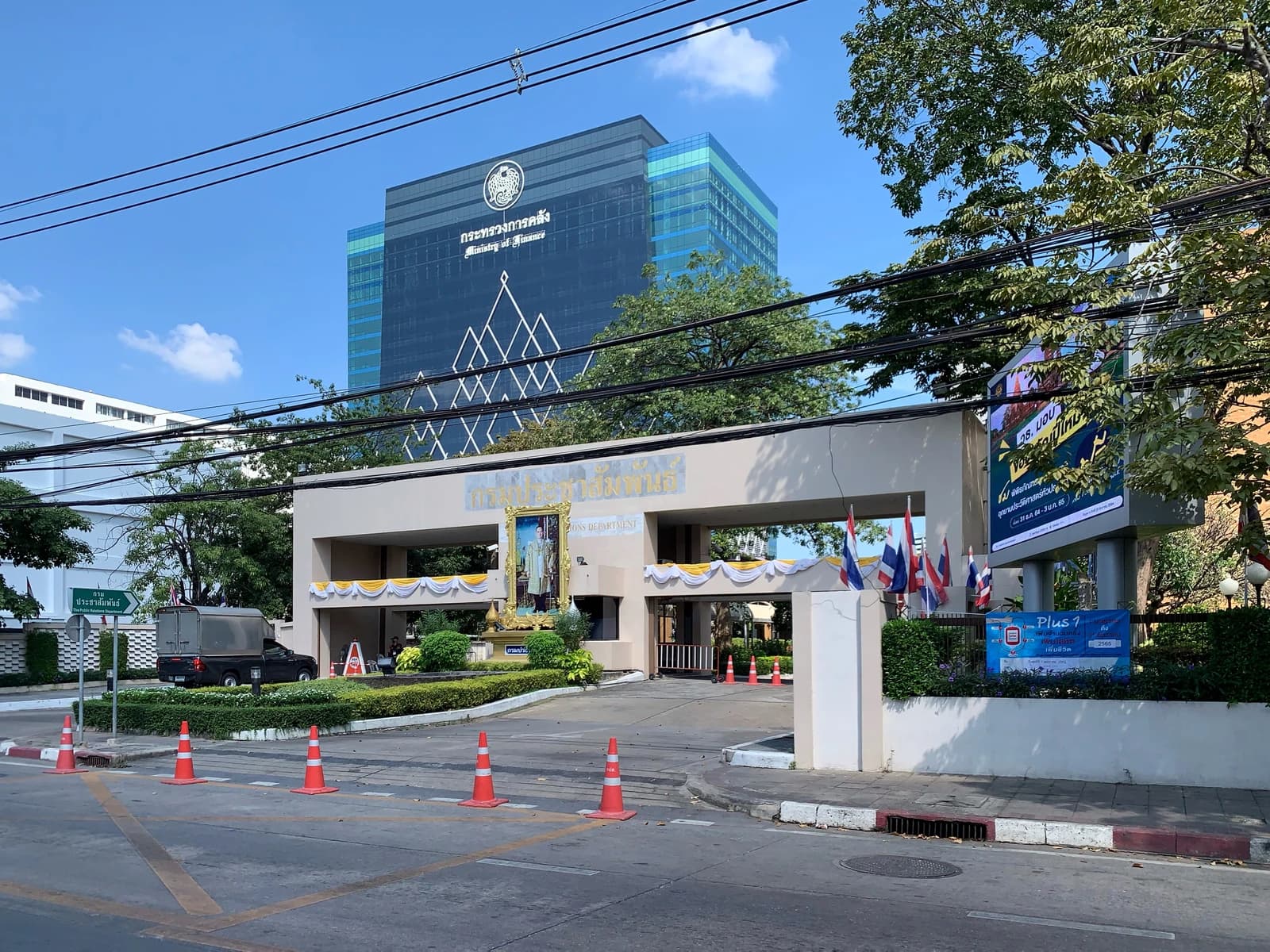
The scheme, approved by the cabinet and overseen by the finance ministry, is a targeted affordability measure rather than a broad credit stimulus. By offering a sub-3% introductory rate for the first two years to eligible “normal income” borrowers, GH Bank is effectively using its policy role to soften the monthly payment shock that has sidelined many would-be buyers. For a 1 million baht loan, the bank says initial repayments would be about 3,600 baht a month, with terms of up to 40 years.
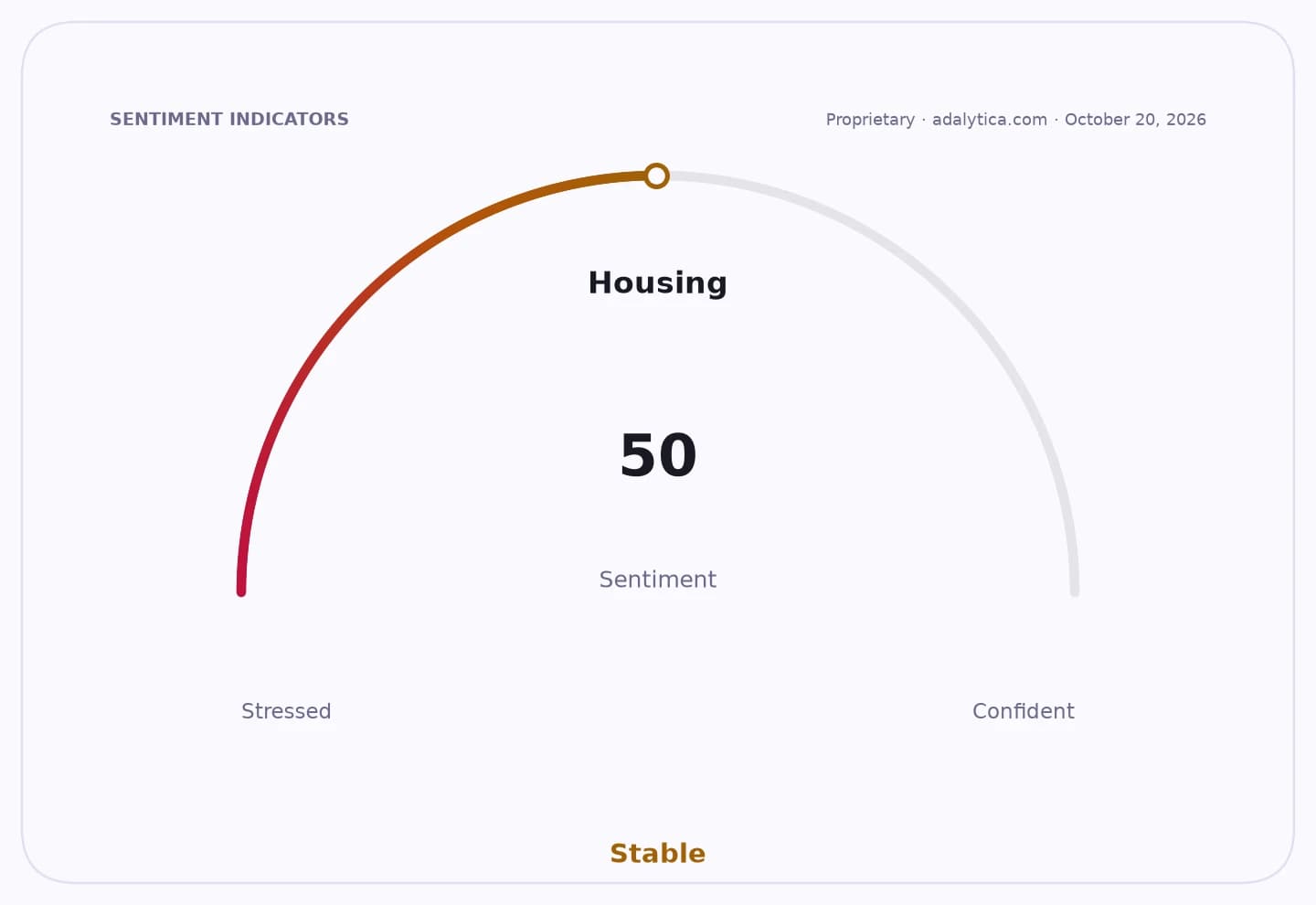
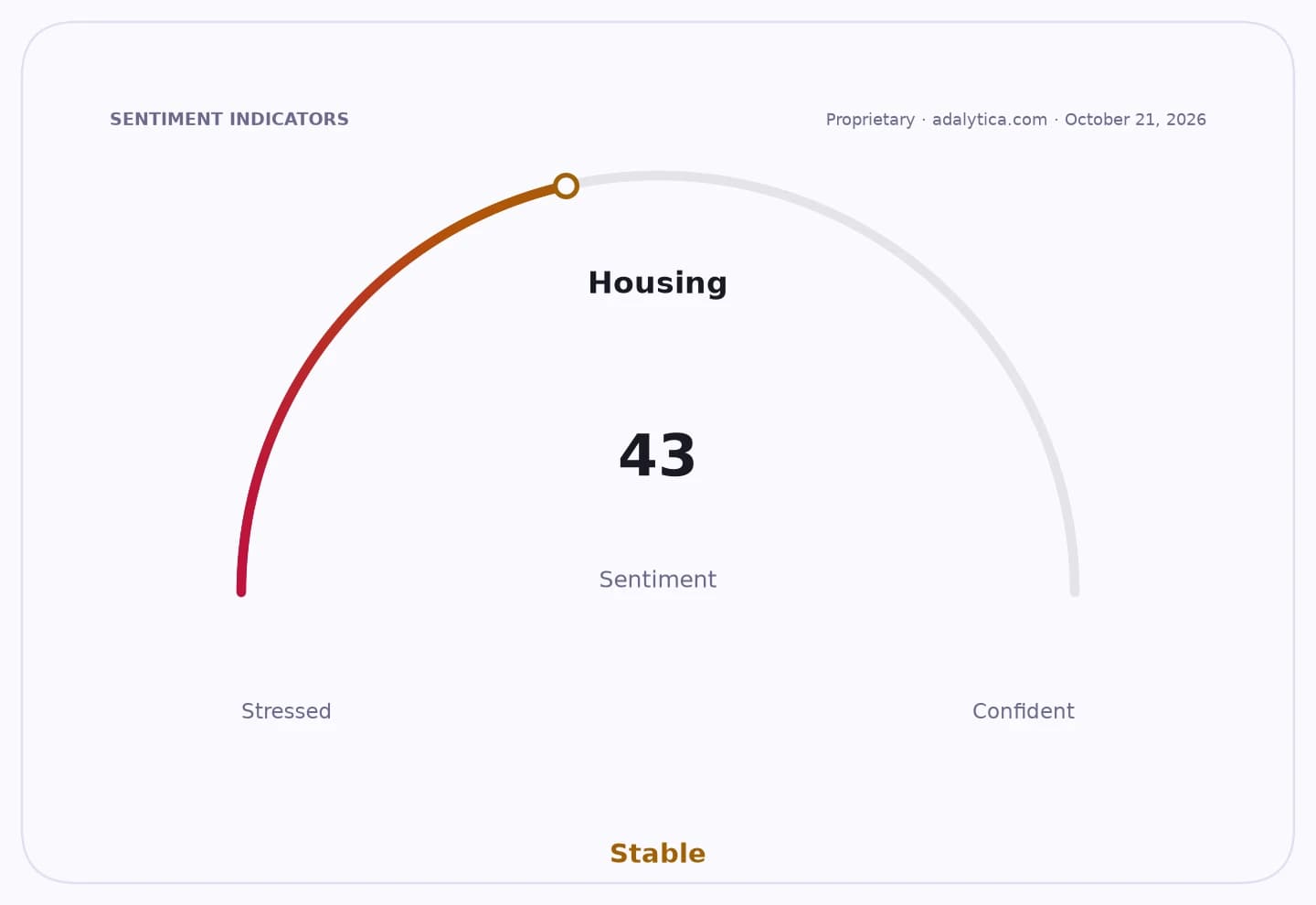
Sentiment IndicatorsⓘProprietary · adalytica.com · October 21, 2026
This is a snapshot — live sentiment, awareness and momentum for 130+ markets update continuously in the dashboard.Open AlphaPulse
The economics are straightforward: housing demand in Thailand has been constrained by high living costs and tighter debt service capacity, especially among households that are not wealthy enough to buy outright but still struggle with conventional mortgage pricing. A state-backed lender can use cheaper funding and a longer tenor to widen access, but the program also underscores that affordability, not lack of desire, is the main constraint in the market.
The plan is structured to manage risk as well as demand. Borrowers are split into two groups, with the lowest introductory pricing reserved for those meeting standard income criteria. Rates then step up over the first five years to as high as 4%, before resetting to GH Bank’s MRR-based pricing from year six onward. That design limits the subsidy burden while making clear that the headline 2.60% rate is temporary, not a lifetime mortgage rate.
For investors in Thai housing, the announcement is a potential support for transaction volumes and mortgage origination, particularly among first-time buyers and lower-priced homes. It could help stabilize sentiment in a sector that has been under pressure from cautious households and a choppy regional backdrop for property demand. The broader read-through is that Bangkok is still willing to use state finance to shore up domestic demand when private lending conditions are too tight.
There are limits to the upside. The 50 billion baht envelope is meaningful, but not large enough to reshape the entire market, and the program will only help borrowers who pass underwriting tests on income, debt load and repayment capacity. That means the policy may improve access at the margin rather than trigger a wholesale rebound in housing activity. For lenders, the near-term benefit is volume; for policymakers, the test will be whether the program helps convert pent-up demand into sustainable homeownership without adding financial stress later.
| Entity | Gains | Losses |
|---|---|---|
| GH Bank | ▲Higher loan demand | ▼Margin pressure |
| Homebuyers | ▲Lower initial payments | ▼Future rate resets |
| Thai housing market | ▲Demand support | ▼Price relief limited |
| Private lenders | ▲Less direct competition | ▼Share in mass-market mortgages |