Kuwait has approved a decree law that will have the state cover interest on real-estate loans for citizens eligible for housing care, a move that cuts borrowing costs and could loosen one of the biggest constraints on homeownership in the country.
Kuwait approves housing loan interest subsidy law

The law takes effect within six months and allows repayment periods of up to 25 years, while requiring the credit provider to absorb the remaining balance if a beneficiary defaults. It also allows installments to be rescheduled for as long as five years, adding a second layer of relief for borrowers under strain.
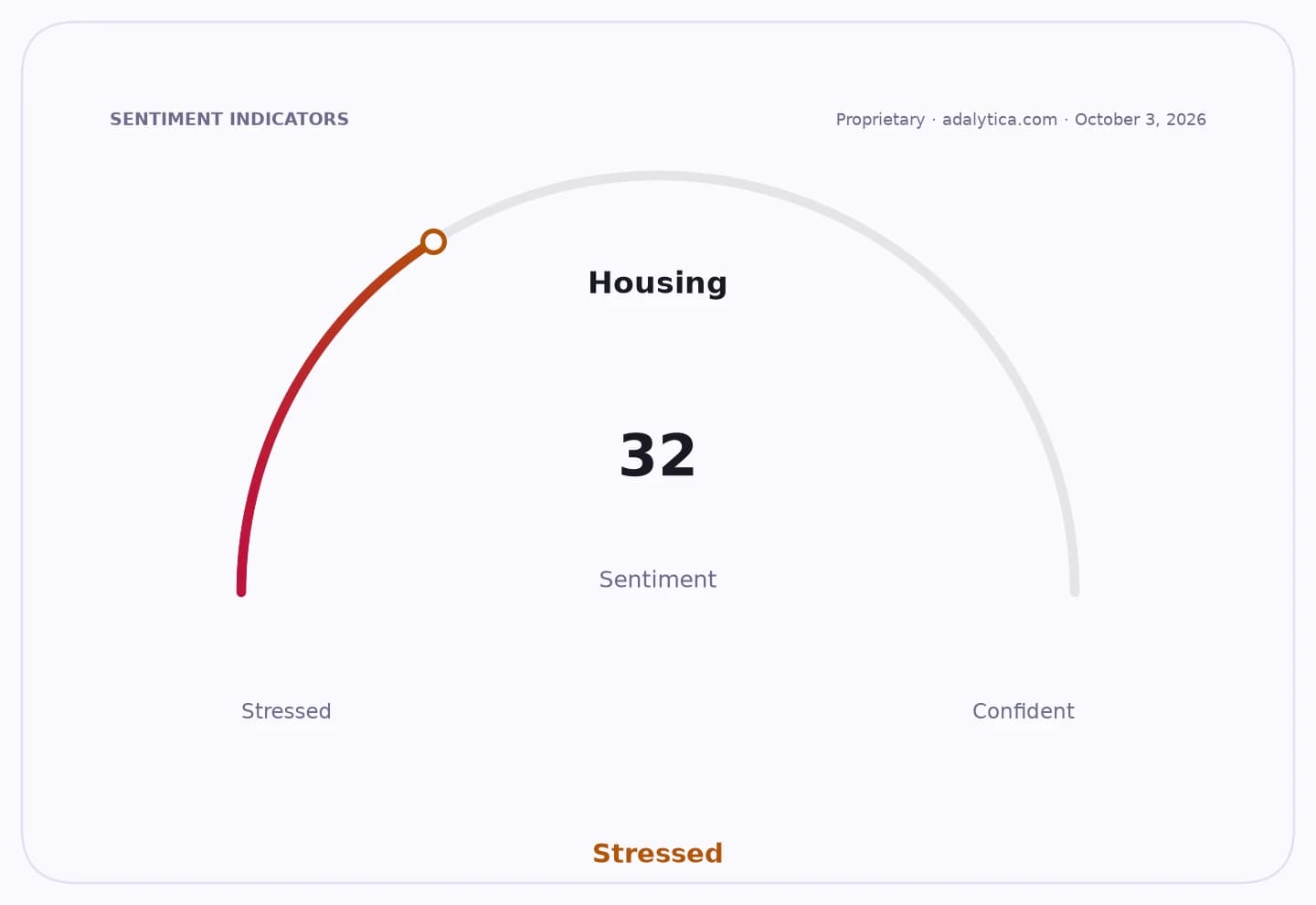
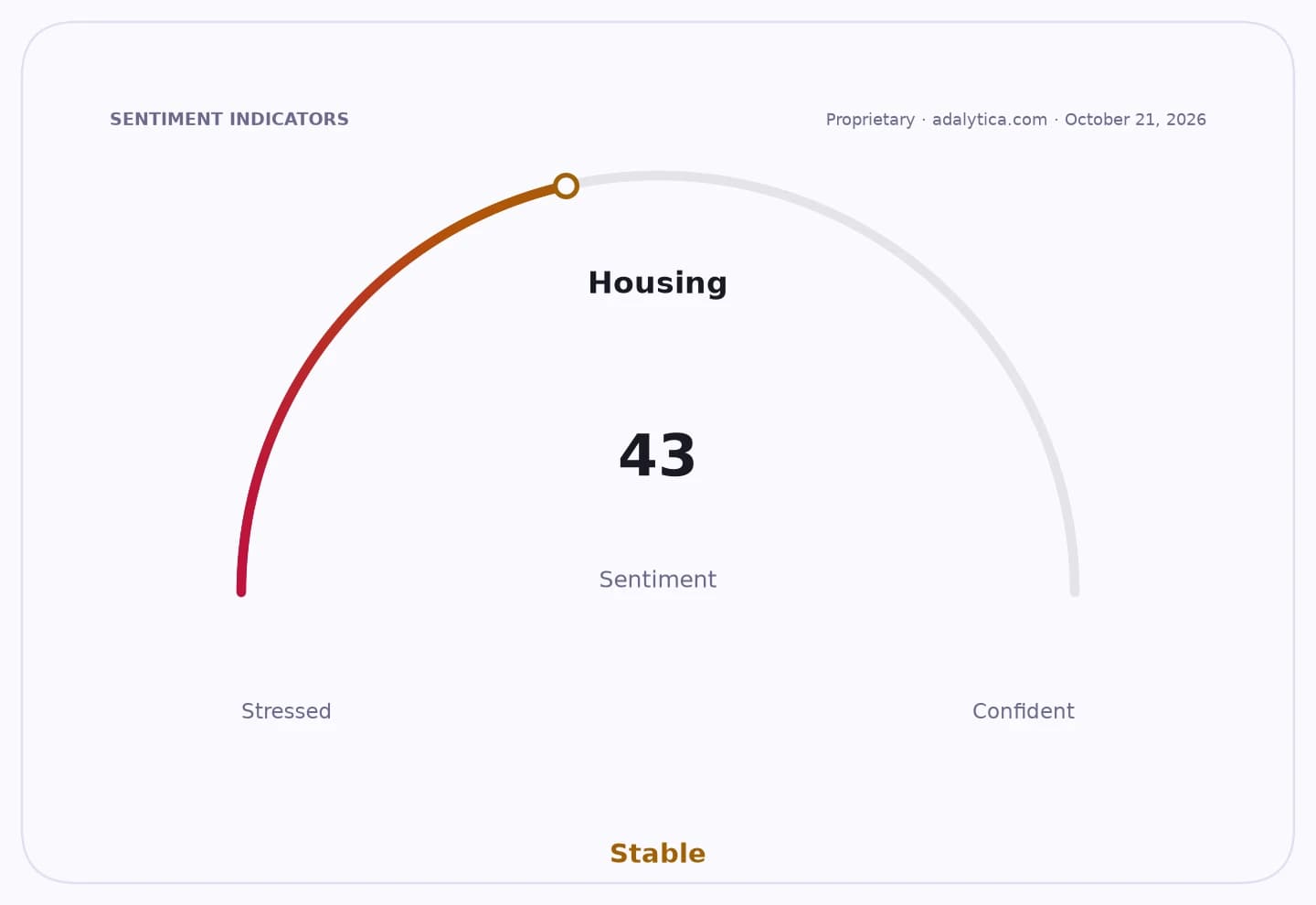
Sentiment IndicatorsⓘProprietary · adalytica.com · October 22, 2026
This is a snapshot — live sentiment, awareness and momentum for 130+ markets update continuously in the dashboard.Open AlphaPulse
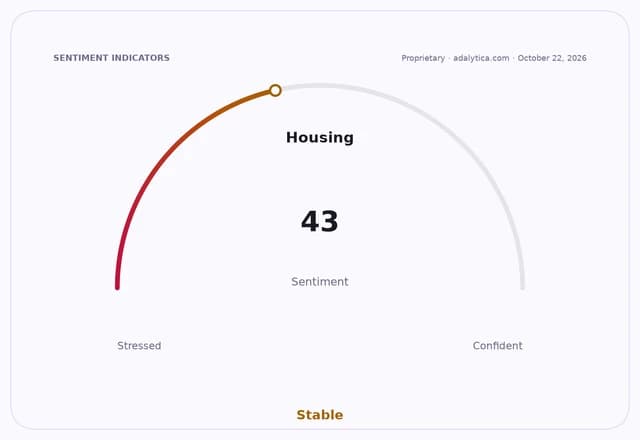
Economically, the measure shifts more of the housing burden onto the public balance sheet and away from households, making it easier for eligible citizens to buy developer units or build on government plots. That should support demand in Kuwait’s housing market, where access to long-tenor, affordable financing has been a persistent bottleneck.
The policy is also relevant for lenders and the broader financial system because the state’s interest subsidy and default backstop reduce credit risk while changing how housing loans are priced and originated. That can encourage more lending activity, but it also leaves the government exposed if repayment stress rises or if housing demand outpaces supply.
For investors, the immediate read-through is supportive for Kuwait’s real estate and construction ecosystem, where easier financing can lift transaction volumes and improve visibility for developers. It also matters to banks and credit providers that will now be operating under a framework with explicit state support but also clearer repayment rules and default obligations.
The government said executive regulations will be issued within six months to set the operating details, making implementation the next key catalyst for how quickly the policy translates into actual housing demand.
| Entity | Gains | Losses |
|---|---|---|
| Eligible Kuwaiti households | ▲Lower borrowing costs | ▼Less personal financing burden |
| Real estate developers | ▲Stronger homebuyer demand | ▼Greater reliance on policy rollout |
| Credit providers | ▲State-backed repayment framework | ▼Default coverage obligations |
| Kuwaiti government | ▲Housing delivery progress | ▼Fiscal exposure to subsidies |