Saudi Arabia’s housing market is shifting away from speculation toward a more supply-driven model, a change that could help cool prices, improve affordability and reshape returns for developers and landowners.
Saudi Arabia housing market shifts to supply model
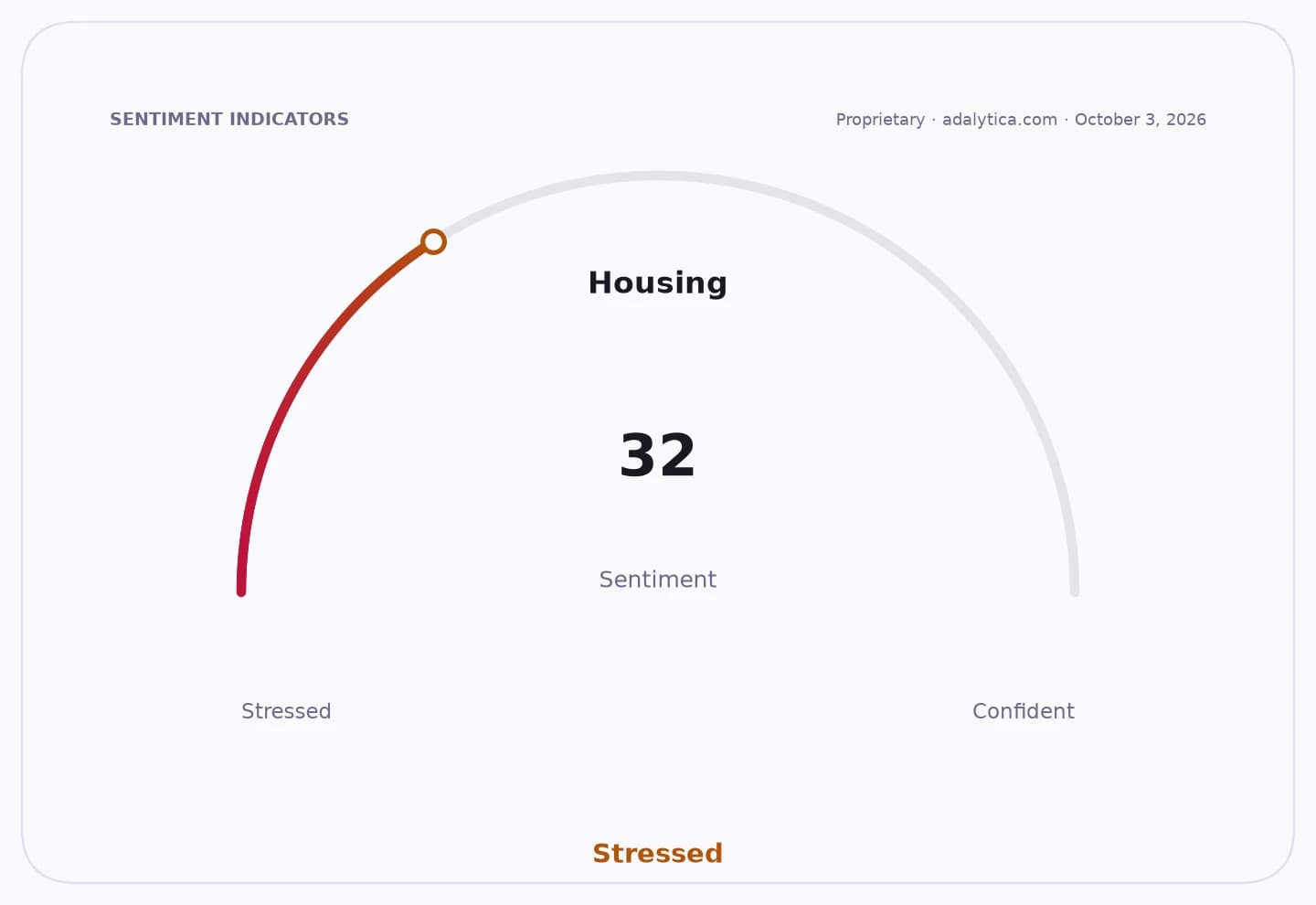
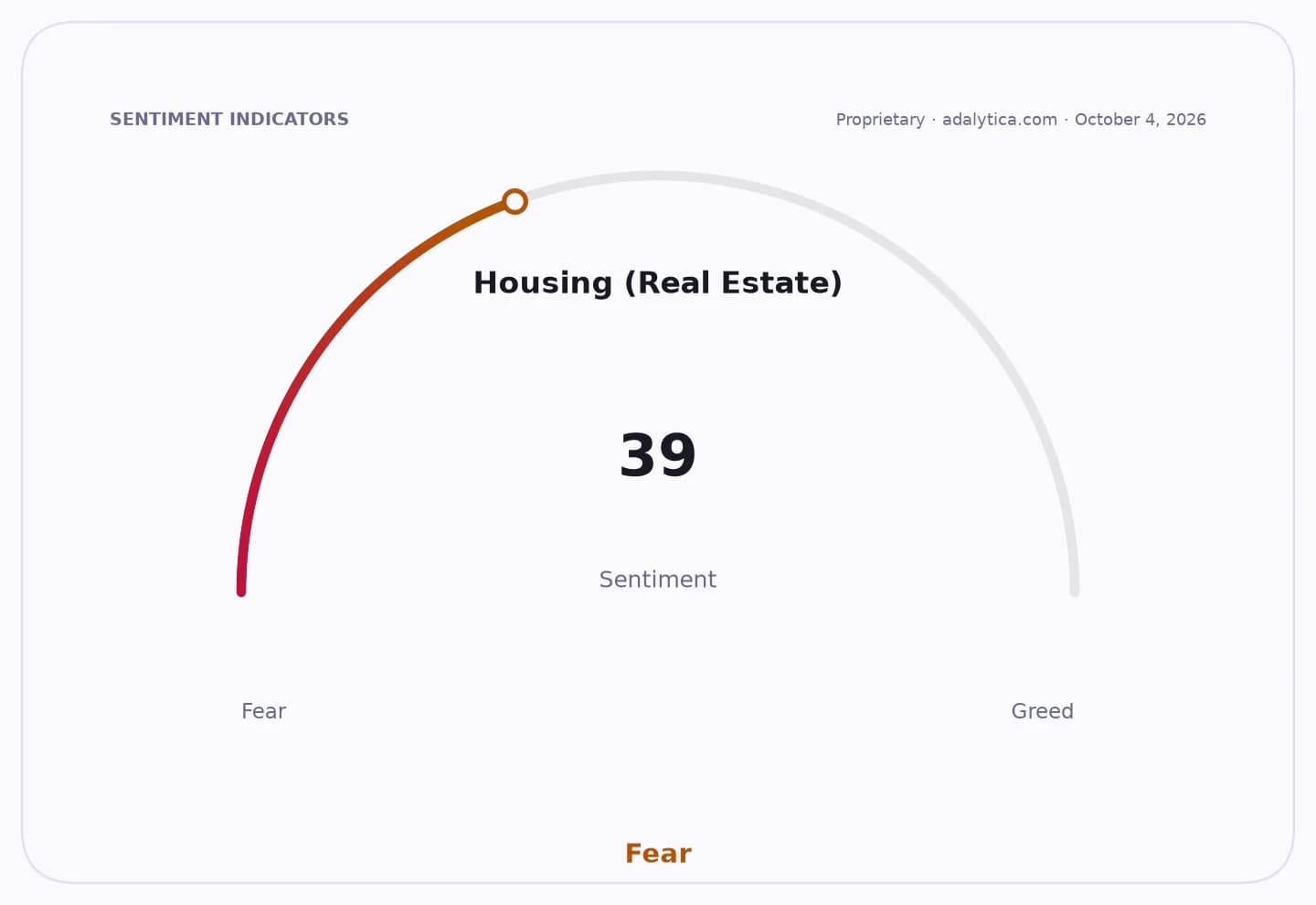
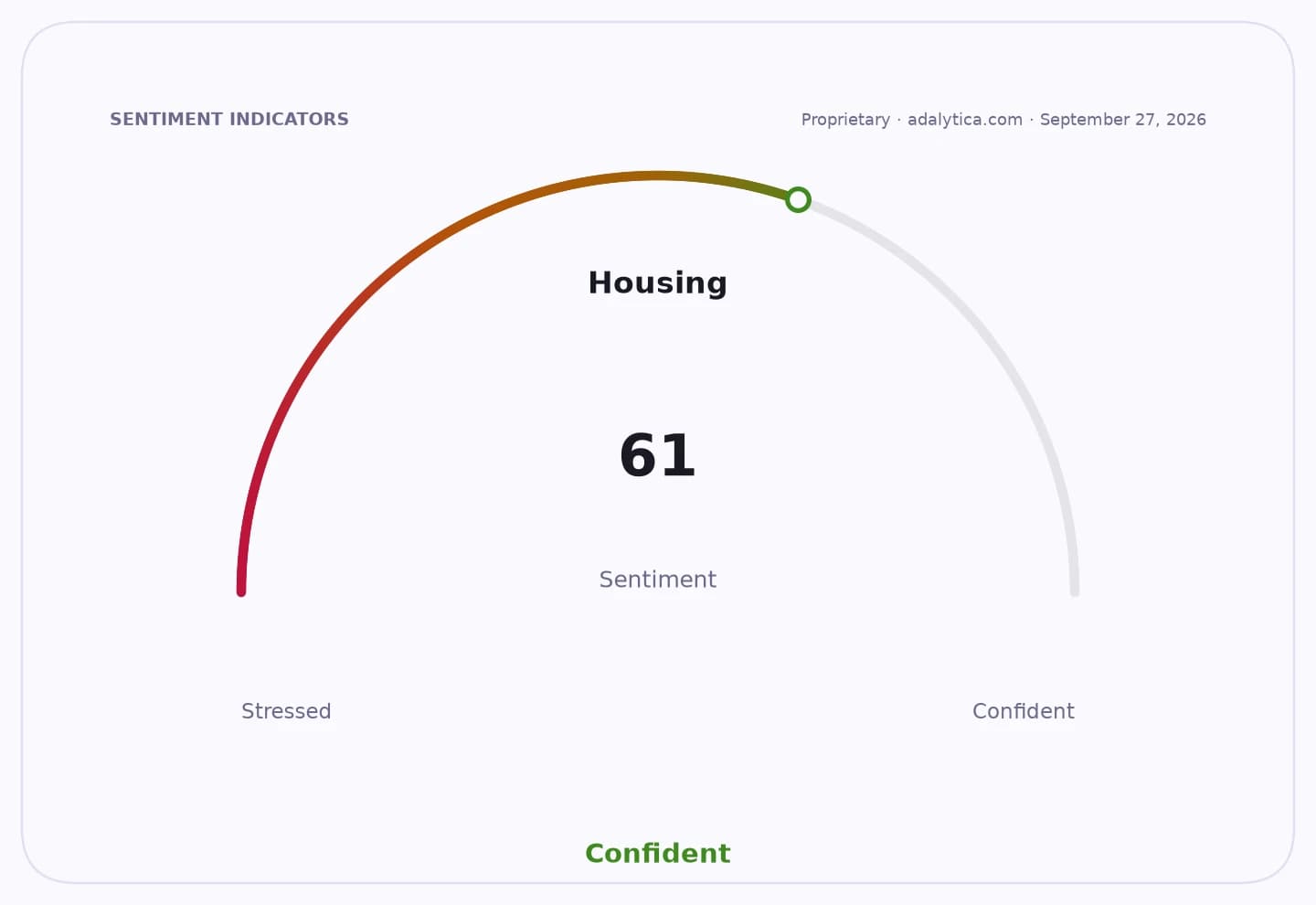
Housing Minister Majed Al-Hogail said the kingdom’s real estate market is “no longer” dominated by speculation and that price distortions are easing, as the government’s balancing program and white-land fee regime push more plots into development. The clearest sign, he said, is Riyadh, where the rush to flip land has moderated and prices in outer districts with weaker services have fallen, while better-served areas have stabilized.
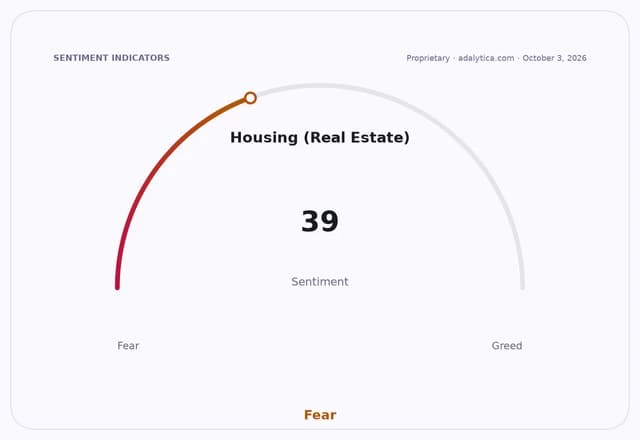
That matters economically because Saudi Arabia is trying to turn housing from a store of speculative gains into a productive investment class that adds supply. Al-Hogail said more than 27 million square meters have applied for development permits, suggesting the policy mix is beginning to convert dormant land into actual housing inventory. If that pipeline is delivered, it should relieve one of the most persistent pressure points in the kingdom’s consumer economy: shelter costs.
For investors, the implications are mixed. Developers, contractors, mortgage providers and construction-linked suppliers stand to benefit if higher supply supports a steadier transaction market and more predictable project flows. Landholders who relied on price appreciation from scarce plots may lose as premiums compress, particularly in less developed areas. The policy direction also supports the government’s broader Vision 2030 goal of expanding home ownership without letting property become a speculative inflation engine.
The minister’s remarks also point to a broader Gulf trend: governments want real estate to look more like a regulated growth sector and less like an overheated trading market. He argued for harmonized standards across Gulf Cooperation Council states, saying investors now view the region as a connected market and that common rules would make it easier for capital, contractors and service providers to move across borders.
For Saudi Arabia, the next test is execution. A healthier market depends less on rhetoric about lower speculation than on how much of the 27 million square meters under application turns into completed, financeable housing stock. If that happens, price growth should remain more contained, affordability should improve at the margin and the sector could become more attractive to long-term capital than to fast-money buyers.
| Entity | Gains | Losses |
|---|---|---|
| Homebuyers | ▲Better affordability | ▼Less upside from scarcity |
| Developers | ▲More projects, clearer demand | ▼Tighter land economics |
| Land speculators | ▲— | ▼Lower price inflation |
| Saudi policymakers | ▲Housing stability | ▼Pressure to deliver fast |