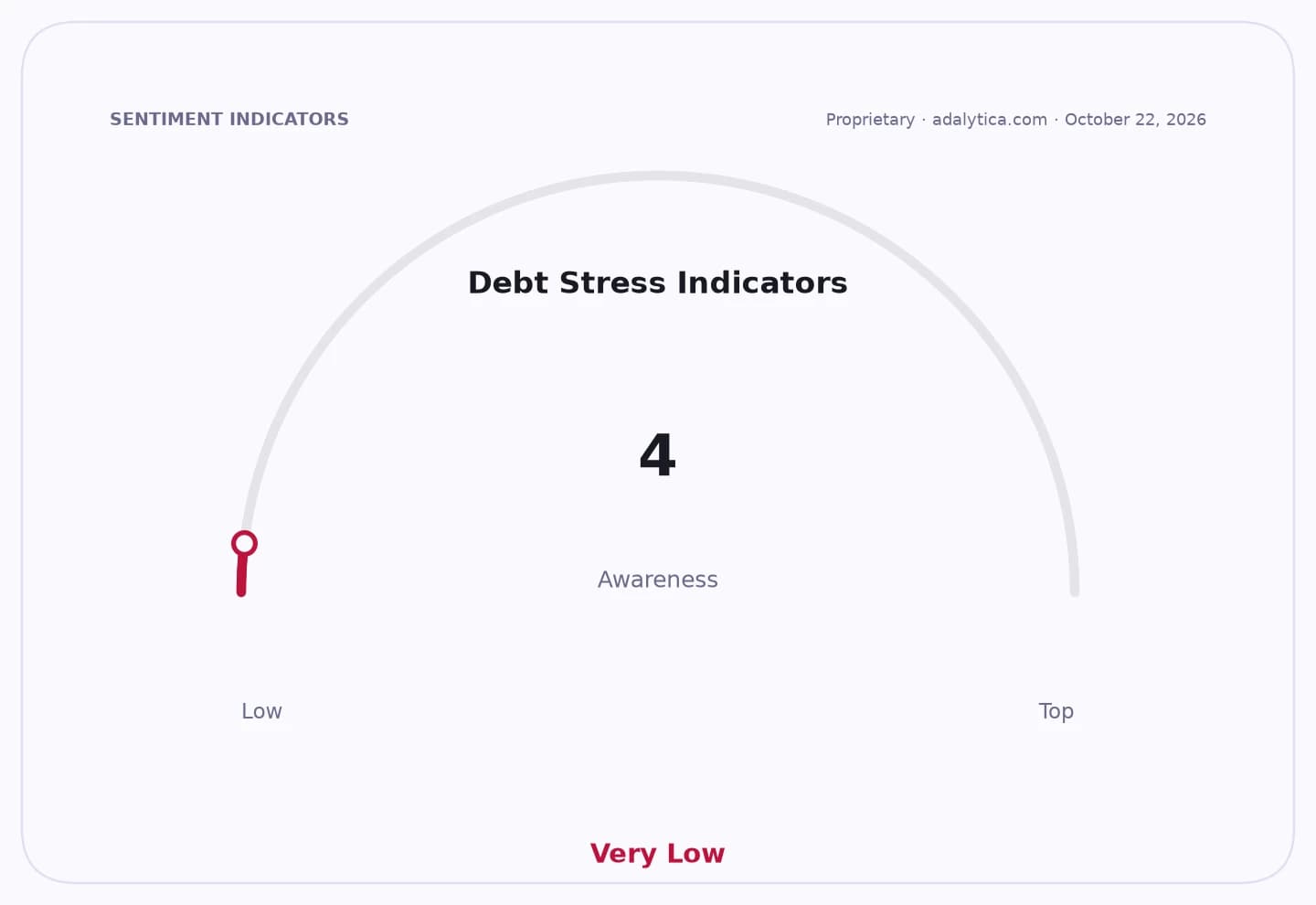
Higher debt-to-income ratios are becoming a more important constraint on households and lenders as interest rates remain well above the levels that powered the last housing and credit cycle.
US lenders face higher debt-to-income pressure
That matters because the affordability test behind every mortgage, auto loan and credit card approval is doing more of the work that cheaper money once did. With the federal funds rate at 3.75%, the policy backdrop is still restrictive enough to keep borrowing costs elevated, even after a recent downshift from 3.63% in July. Unemployment at 4.2% remains low by historical standards, but not low enough to erase the strain from high monthly payments, leaving debt-service capacity as the key variable for consumers and the lenders that extend credit.
Sentiment IndicatorsⓘProprietary · adalytica.com · October 26, 2026
This is a snapshot — live sentiment, awareness and momentum for 130+ markets update continuously in the dashboard.Open AlphaPulse
The market is already reflecting that tension. The Financial Select Sector SPDR, XLF, has recovered to 55.90 from an October low near 55.06, but it remains only modestly above its 50-day moving average and not far from its 200-day average, a sign that investors are still weighing earnings resilience against credit risk. The SPDR S&P Regional Banking ETF, KRE, has also steadied around 72.46 after falling as low as 70.62 this week, with its RSI improving from oversold territory earlier in the year. By contrast, the iShares iBoxx $ High Yield Corporate Bond ETF, JNK, has held near 92.52, suggesting debt markets have not yet priced in a broad credit event.
The most immediate implication is for consumer lenders and card issuers. Recent SEC filings from Synchrony Financial and American Express show the sector is still expanding credit and carrying large unused lines, but that growth depends on borrowers staying within manageable debt burdens. Rising debt-to-income ratios can quickly translate into slower loan originations, tighter underwriting and higher delinquencies if wages do not keep pace. That is especially relevant for cards and unsecured lending, where borrowers have less collateral and lenders have fewer recovery options.
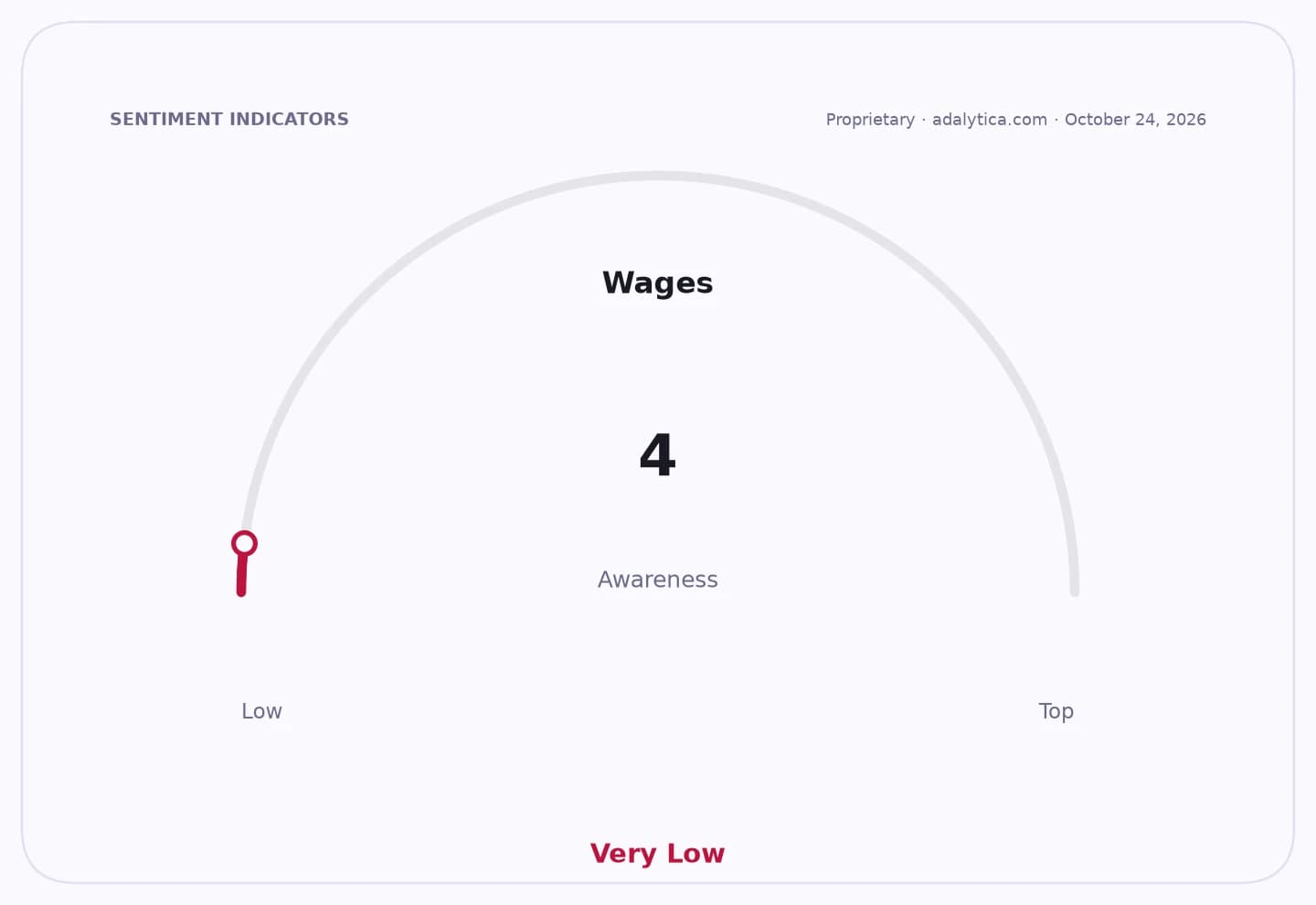
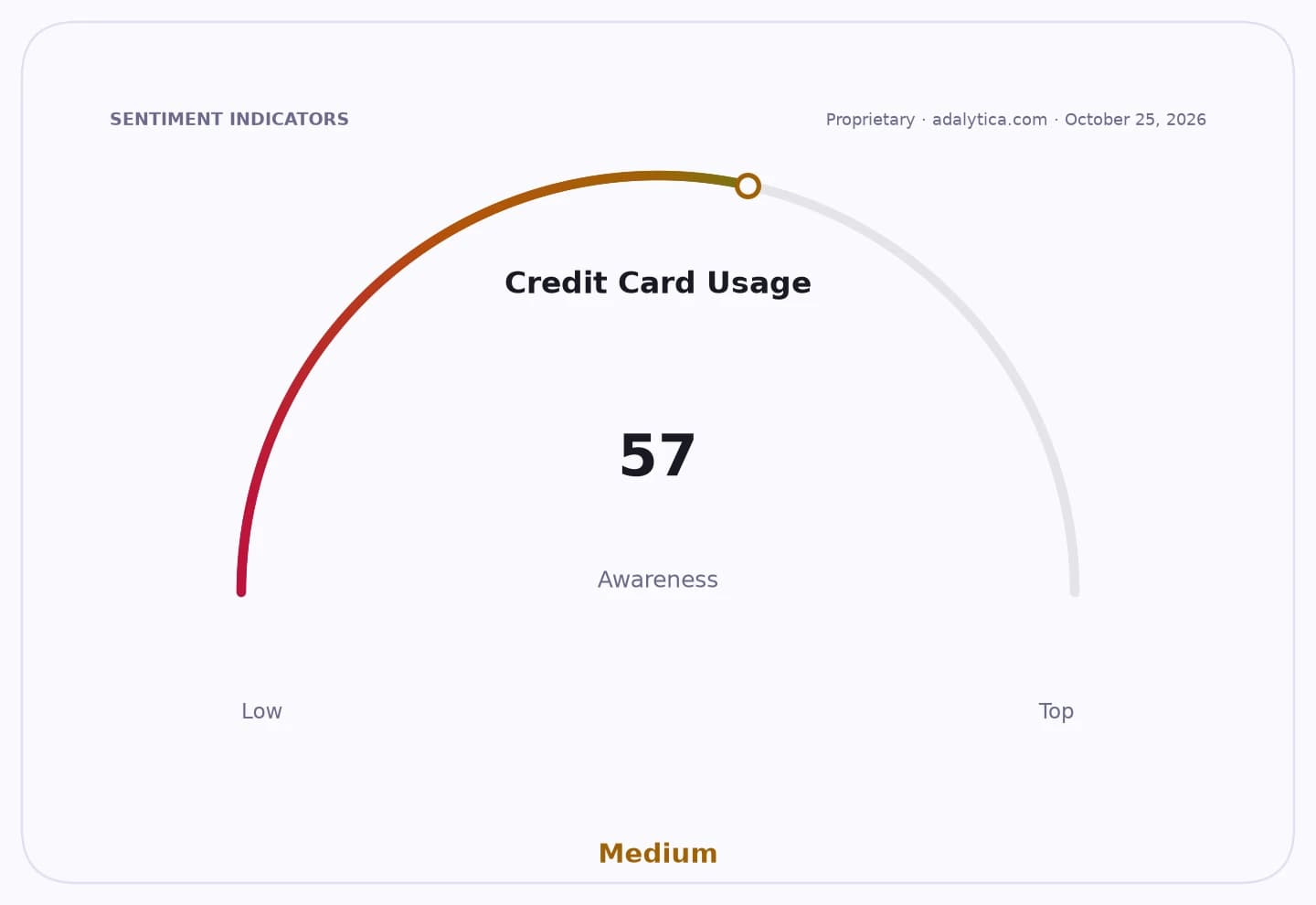
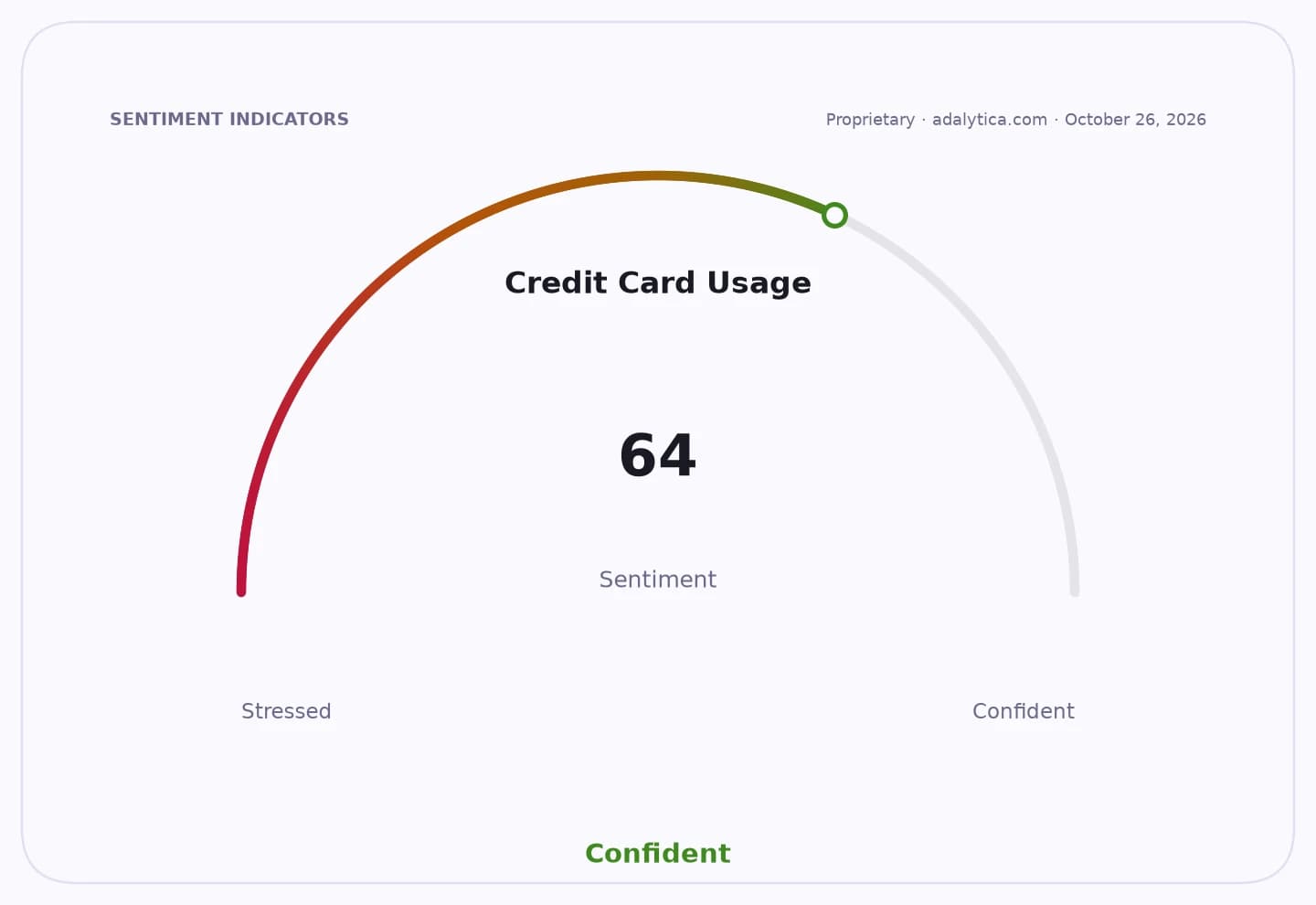
Adalytica’s Credit Card Usage Sentiment gauge sits at 64, still neutral but down sharply over the past week, while its Wage Inflation Sentiment measure has jumped to 86, indicating rising pressure on household pay expectations. The combination suggests consumers may be using more credit to bridge the gap between income and expenses, even as borrowing standards stay tight. That is supportive for lenders in the near term, but only until payment stress starts to show up in charge-offs.
For investors, the narrative is straightforward: debt-to-income ratios are no longer a background statistic but a live market variable. If incomes and employment remain stable, lenders can keep extending credit and earnings should hold up. If rates stay higher for longer, however, debt service will absorb more of household cash flow, pressuring consumer spending, increasing reserve needs and favoring institutions with stronger underwriting and deposit bases.
The next catalyst is whether credit performance worsens as the lagged effect of high rates filters through household budgets. If it does, regional banks, card issuers and subprime lenders will feel it first; if it does not, the sector may keep benefiting from still-healthy employment and disciplined underwriting.
| Entity | Gains | Losses |
|---|---|---|
| Lenders | ▲Higher interest income | ▼Rising credit risk |
| Borrowers | ▲Access to credit | ▼Debt-service pressure |
| Regional banks | ▲Stable loan demand | ▼Tighter underwriting |
| Card issuers | ▲Revolving balances | ▼Higher charge-offs |