Russia’s claim that Europe still cannot agree who should speak for it in any Ukraine peace process underscores a central risk in the latest diplomacy: even if Moscow and Washington narrow differences, a settlement will be hard to lock in without a unified European position on security guarantees.
Europe unity question in Ukraine peace talks
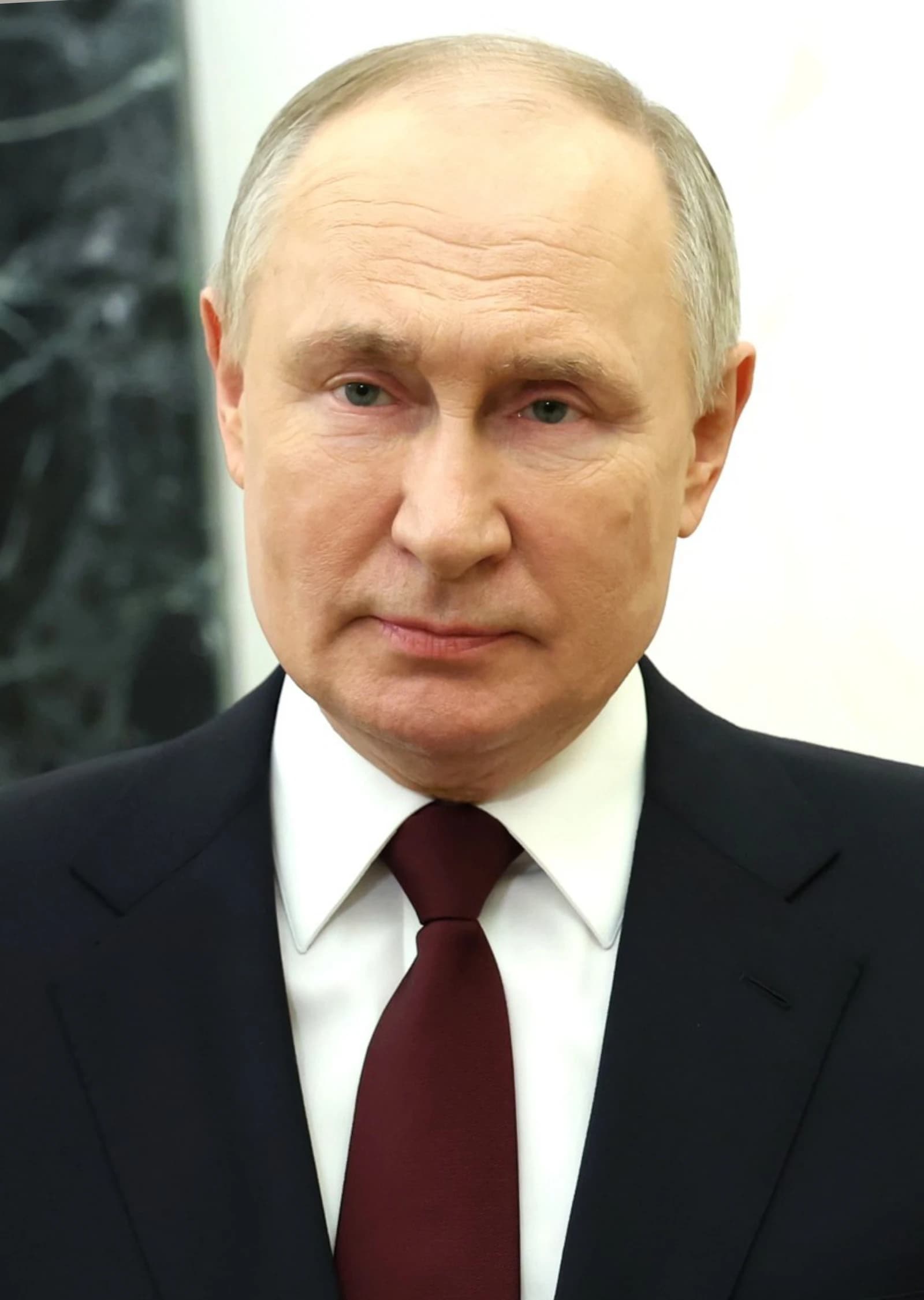
The remarks from Kremlin spokesman Dmitry Peskov came as the US, Ukraine, NATO and European partners held talks in Brussels on security guarantees for Kyiv and the wider European security architecture, while President Donald Trump suggested a “big agreement” could involve all of Europe. That combination matters because the shape of any deal — and who is empowered to negotiate it — will determine whether the talks produce a durable ceasefire or another short-lived pause in fighting.
Sentiment Indicators
Peskov said Europe had not put forward any ideas and accused it of “prolonged indecision and an unwillingness” to settle on a representative voice. He acknowledged, however, that Europeans could not be left out indefinitely if discussions turn to a new security framework for the continent. That is the crux of the diplomatic battle: Moscow wants to exploit divisions among European governments, while Ukraine and its allies need a coherent negotiating bloc to avoid a settlement written by Russia and the US over European heads.
The economic stakes are broader than the political optics. A credible peace framework could eventually reduce risk premiums across European assets, support the euro and lower pressure on energy markets if sanctions, shipping risk and war-related disruption begin to ease. But the path there remains uncertain, and that uncertainty is still visible in markets. European equities tracked by the iShares MSCI Germany ETF have recovered from earlier weakness, with the fund recently trading around $42.90 after slipping below its 50-day moving average earlier this year, while the euro proxy FXE has remained under pressure and recently traded near 101.71, below its 50-day and 200-day averages. Those levels suggest investors are still treating Europe as vulnerable to geopolitical headlines rather than pricing in a clean diplomatic reset.
The broader market backdrop also reflects caution. Adalytica’s Global Stability Sentiment sits at 54, neutral, but its awareness reading is only 7 and labeled extreme fear, indicating that geopolitical risk is still producing outsized attention even when headline sentiment looks stable. For the euro, Adalytica’s trade signals show sentiment at 52, neutral, with awareness at 25, or fear, reinforcing the view that investors are waiting for clearer evidence that diplomacy can translate into lower tail risk for Europe.
For investors, the key question is not whether talks continue, but whether Europe can move from a consultative role to a credible negotiating actor. If it cannot, any agreement on Ukraine may prove fragile, leaving defense spending, sanctions and energy security elevated. If it can, the upside would be most visible in European currencies, defense names facing a slower wartime spend cycle, and energy-sensitive sectors that have traded on conflict risk for more than three years.
What to watch next is whether Brussels can produce a common European mandate, and whether Washington treats Europe as a co-author of any settlement rather than a side participant. Until then, Russia’s message is less a diplomatic footnote than a warning that the architecture of a peace deal may be as contested as the war itself.
| Entity | Gains | Losses |
|---|---|---|
| Kremlin/Russia | ▲Leverage over divided Europe | ▼Pressure for a unified negotiating front |
| Europe/EU governments | ▲Potential seat at talks | ▼Exposure of internal divisions |
| Ukraine | ▲Prospect of security guarantees | ▼Risk of sidelining in major-power dealmaking |
| European defense and energy markets | ▲Stability if talks advance | ▼Higher risk premium if talks stall |