Trump’s claim that any deal with Russia on Ukraine would affect all of Europe lands against a backdrop of elevated energy prices, fragile risk appetite and renewed pressure on European assets as investors weigh whether a ceasefire or settlement could ease sanctions, gas disruption and defense spending.
Europe Markets Weigh Russia-Ukraine Deal Impact

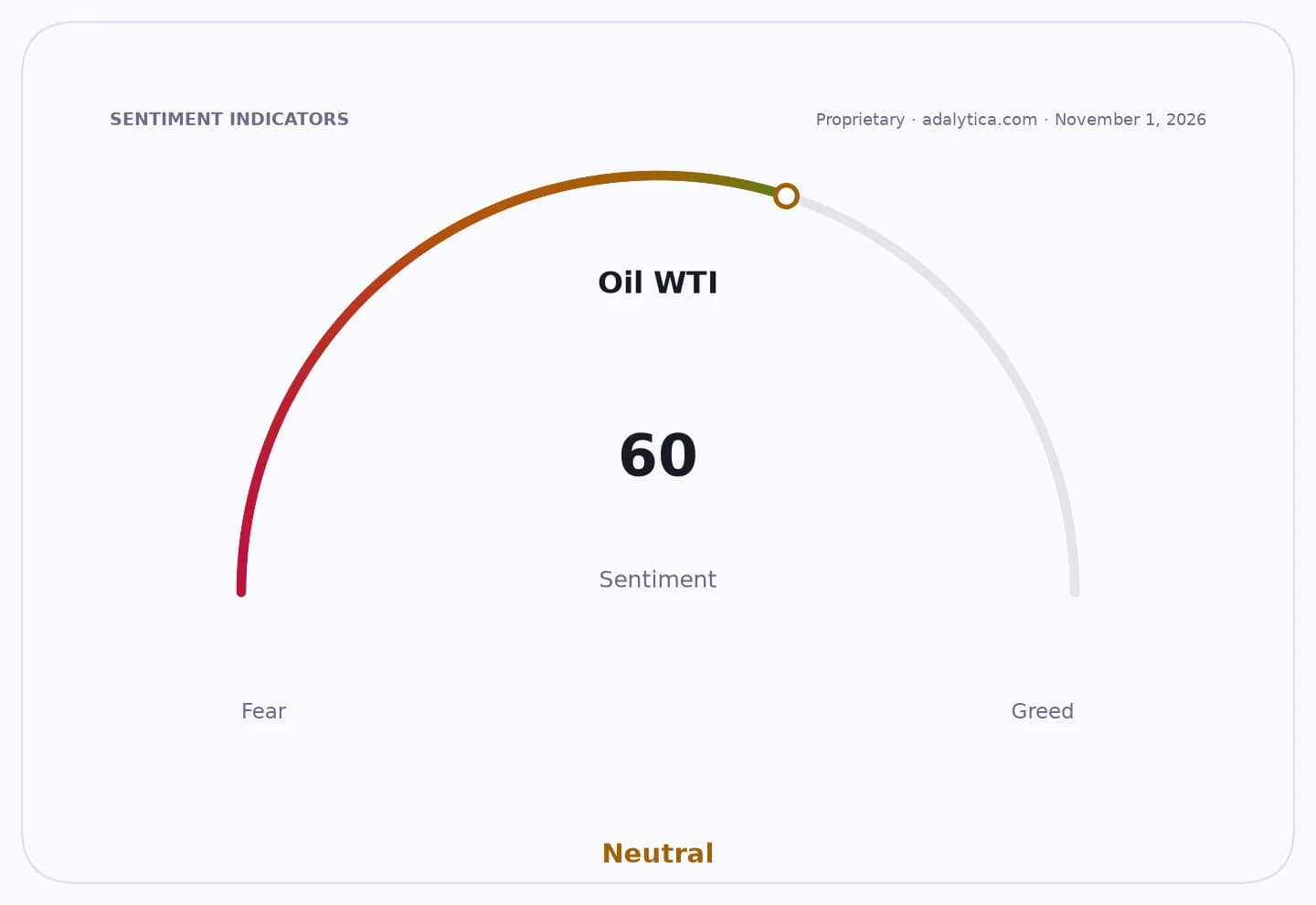
The stakes are immediate for markets because Europe’s growth, inflation and industrial costs still hinge on the conflict’s next phase. Brent-linked oil held around $89.62 a barrel on Nov. 11, while the 10-year Treasury yield was near 4.95%, keeping global borrowing costs high even as traders parsed geopolitical risk.
Sentiment Indicators
European equities have not cracked, but they are not priced for calm either. The iShares MSCI EAFE ETF, which tracks developed markets outside the US, was trading at $104.01 on Nov. 12, above its 50-day moving average of $104.43 and 200-day average of $102.68, while the Vanguard FTSE Europe ETF was at $88.91, also above both its 50-day and 200-day averages. That suggests investors are still willing to own Europe, but with caution as the war’s endgame remains uncertain.
The credit backdrop shows the same tension. The ICE BofA High Yield Option-Adjusted Spread was 3.30 percentage points on Nov. 11, a sign that financing conditions remain tighter than in calmer periods even after recent easing from earlier peaks. If talks reduce the odds of prolonged fighting, that could support European spreads, lower energy volatility and relieve pressure on importers across the continent.
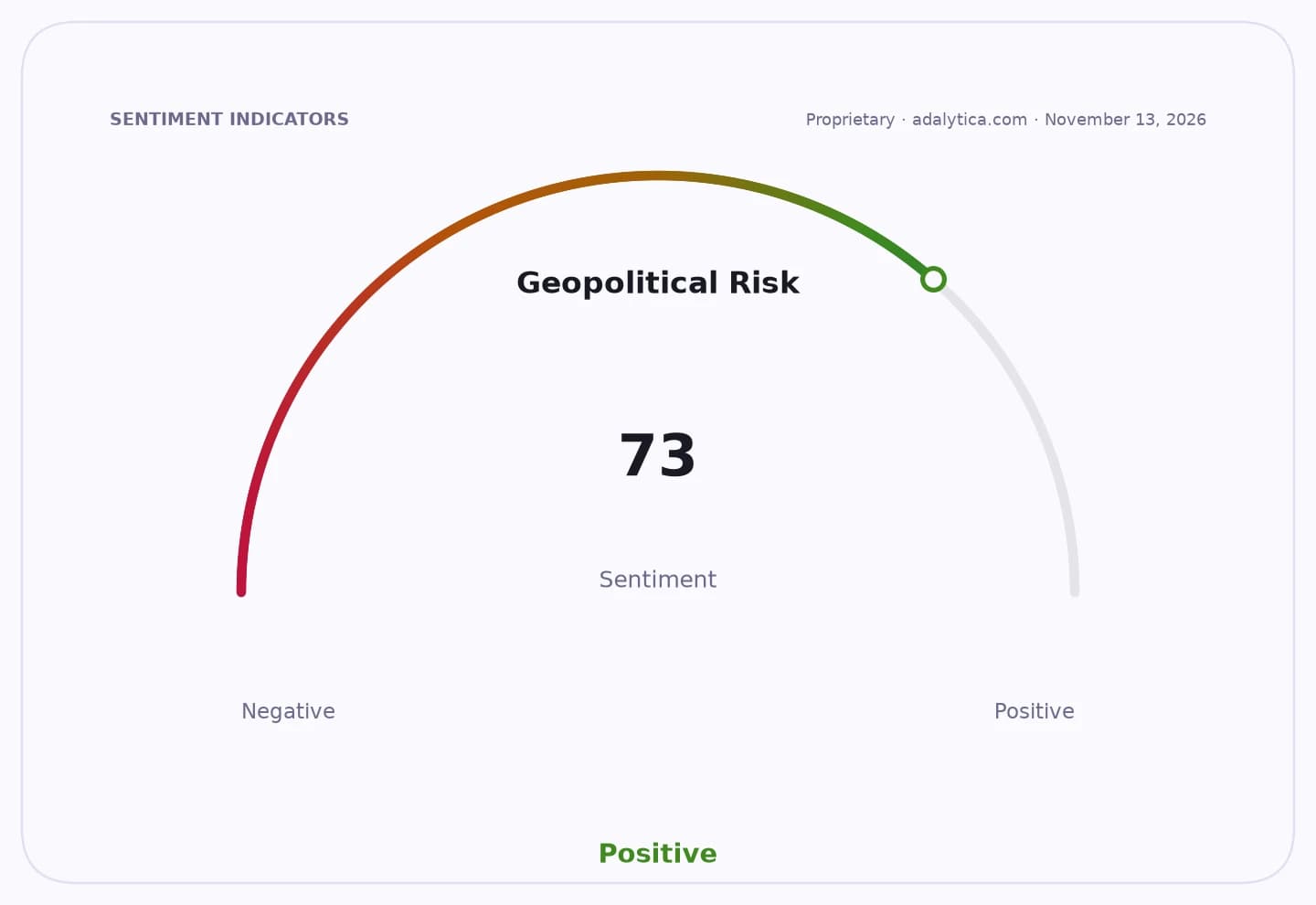
Geopolitical Risk
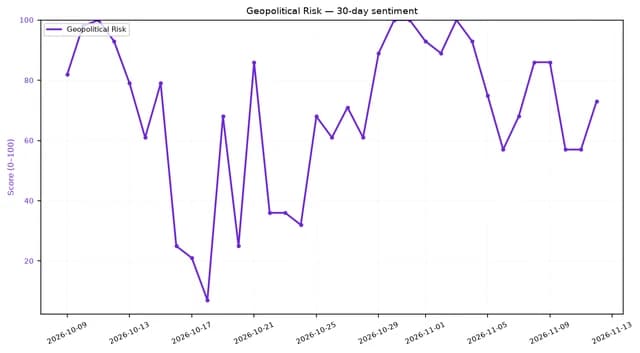
Any settlement would also reverberate through energy markets and sanctions policy. Europe has spent nearly four years reducing reliance on Russian supplies, while the war has kept oil and gas markets vulnerable to disruptions from refinery strikes, pipeline flows and sanctions enforcement. A deal could cool those risks, but investors would still have to judge whether any agreement is durable enough to change trade flows, defense budgets and capital spending plans.
For now, the market message is mixed: geopolitical stress is still elevated, but investors are not pricing outright panic. The next catalyst is whether Washington, Moscow and Kyiv can produce a framework that changes the energy and security calculus for Europe rather than merely pausing the fighting.
| Entity | Gains | Losses |
|---|---|---|
| Europe importers | ▲Lower energy costs | ▼Less urgency for hedges |
| Russian energy exports | ▲Sanctions relief potential | ▼Lost leverage if deal sticks |
| European equities | ▲Risk premium easing | ▼Defense rally fades |
| Oil exporters | ▲Stable demand floor | ▼Price pressure from truce hopes |