Jared Kushner said Europe cannot secure lasting peace with Russia unless the continent builds a durable security framework that addresses Moscow’s interests, underscoring how any settlement over Ukraine may ultimately hinge on a broader geopolitical bargain rather than a ceasefire alone.
Europe ETFs Trade on Ukraine Peace Talks
Geopolitical Risk
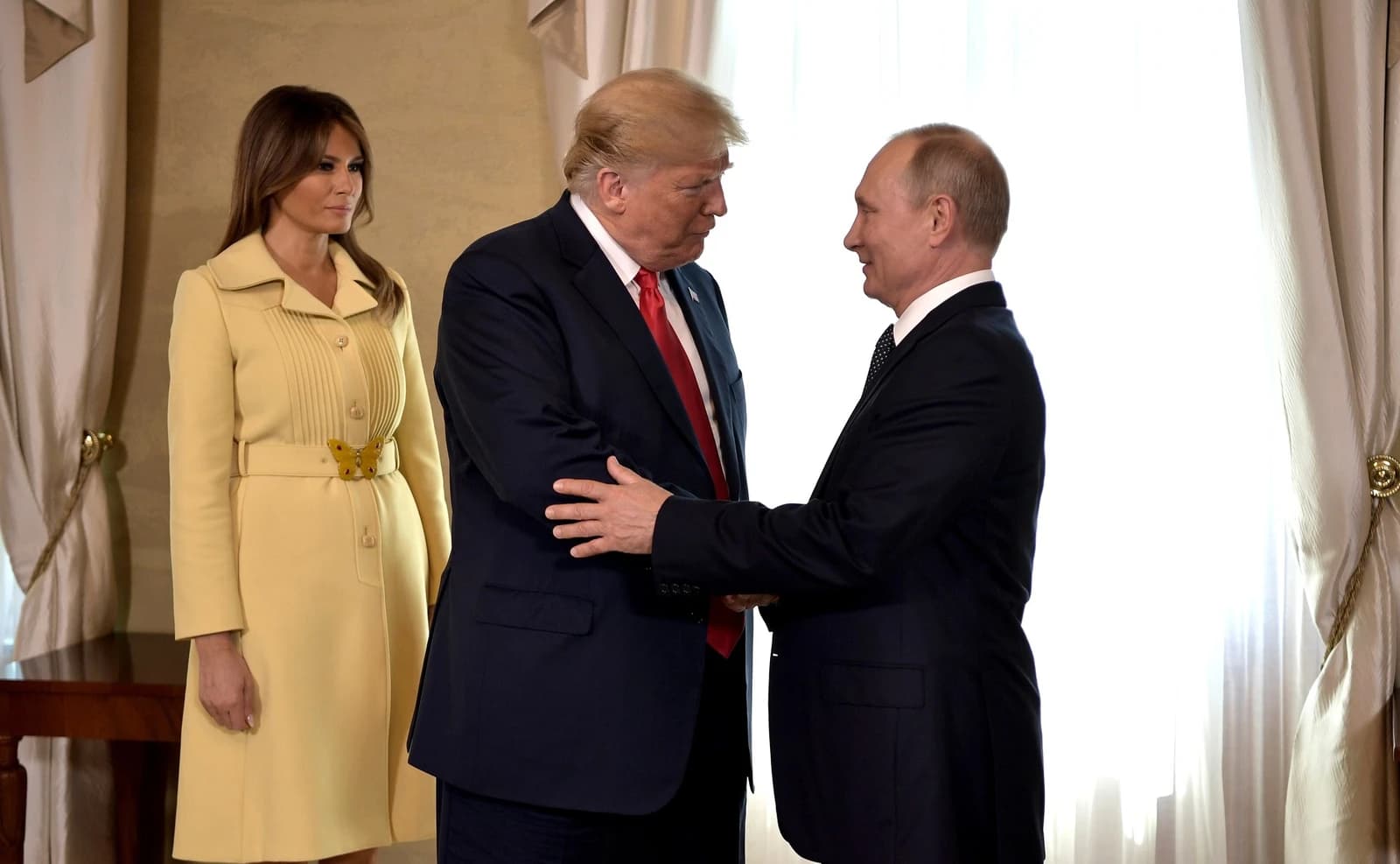
That matters because the war has exposed a deeper failure in Europe’s post-Cold War security architecture. Kushner’s comments, paired with a video of Donald Trump saying Washington and Moscow are moving closer to agreements not only on Ukraine but on European security more broadly, point to a potential shift in the negotiating frame. For markets, the difference is material: a narrow truce may ease headline risk, but a wider security arrangement would have far greater consequences for defense spending, energy flows, sanctions policy and the region’s long-term risk premium.
Sentiment Indicators
The comments also land against a backdrop of persistent mistrust. Russian Foreign Minister Sergei Lavrov said in November that Moscow has not abandoned dialogue with western Europe, but added that real prospects for engagement remain absent. That reflects the core obstacle to any settlement: Russia says it is open to talks, while Europe and Ukraine remain wary that Moscow is seeking terms that consolidate its strategic position rather than produce a stable peace.
For investors, the immediate read-through is not a clean repricing of peace probability, but continued volatility in European assets tied to geopolitics. The iShares MSCI Germany ETF, ticker EWG, was last at $42.81, below its 50-day moving average of $42.03 and still under pressure after a year of uneven trading, while the iShares MSCI United Kingdom ETF, EWU, held at $47.76 and the Vanguard FTSE Europe ETF, VGK, finished at $88.91. The broader European complex has not broken decisively higher on peace optimism, suggesting markets remain unconvinced that diplomacy is close to delivering a durable de-escalation.
Geopolitical Risk vs EWGadalytica.com
Explore this data interactively — full history, time series and cross-market comparisons.
Technical readings reinforce that caution. EWG’s RSI was 62.5, but the fund remained below recent highs after a sharp November lift in volume, while VGK traded just under its upper Bollinger Band with a 50-day average of $87.95. EWU was roughly flat around its 50-day average. In other words, there is no broad-based evidence yet of a sustained rotation into Europe on the assumption that a settlement is imminent.
Adalytica’s Global Stability Sentiment gauge, at 73 with “Greed” labeling but “Extreme Fear” awareness, captures the disconnect between hopes for diplomacy and the market’s underlying caution. Its Europe-related sentiment measure was even more striking at 98, or “Extreme Greed,” suggesting elevated appetite for the idea of détente even as the news flow says the path remains uncertain.
The bull case is straightforward: if Washington and Moscow are genuinely edging toward a wider framework, European risk assets, the euro and cyclical sectors could all benefit from lower energy, lower defense uncertainty and a smaller geopolitical discount. The bear case is more likely in the near term: talks remain aspirational, Russia’s demands are unlikely to be acceptable to Kyiv and its allies, and any peace process that fails to address security guarantees could simply freeze the conflict rather than resolve it.
For now, Kushner’s remarks matter less as a forecast than as a reminder that Ukraine peace talks cannot be separated from Europe’s security order. Until that question is settled, investors should expect sporadic rallies on peace headlines, but little conviction that the region’s geopolitical risk premium is about to disappear.
| Entity | Gains | Losses |
|---|---|---|
| Europe | ▲lower war risk | ▼uncertain security order |
| Russia | ▲leverage in talks | ▼diplomatic isolation |
| European equities | ▲peace premium | ▼defense/geopolitical support |
| Ukraine | ▲broader security guarantees | ▼pressure for concessions |