Bucharest Forum 2026 opens in Romania with a high-level lineup of NATO, IMF, World Bank, government and banking leaders to assess how geopolitical competition is reshaping investment, technology access, infrastructure and security across Europe, the Black Sea and the Middle East.
Bucharest Forum 2026 Opens on Security and Investment
That matters because the event is framing the next phase of growth around security, supply chains and fiscal credibility rather than pure expansion, a shift that carries direct implications for capital allocation, defense spending, energy projects and regional financing. For investors, the message is that Europe’s economic outlook is increasingly being set by strategic risk, not just rates and earnings.
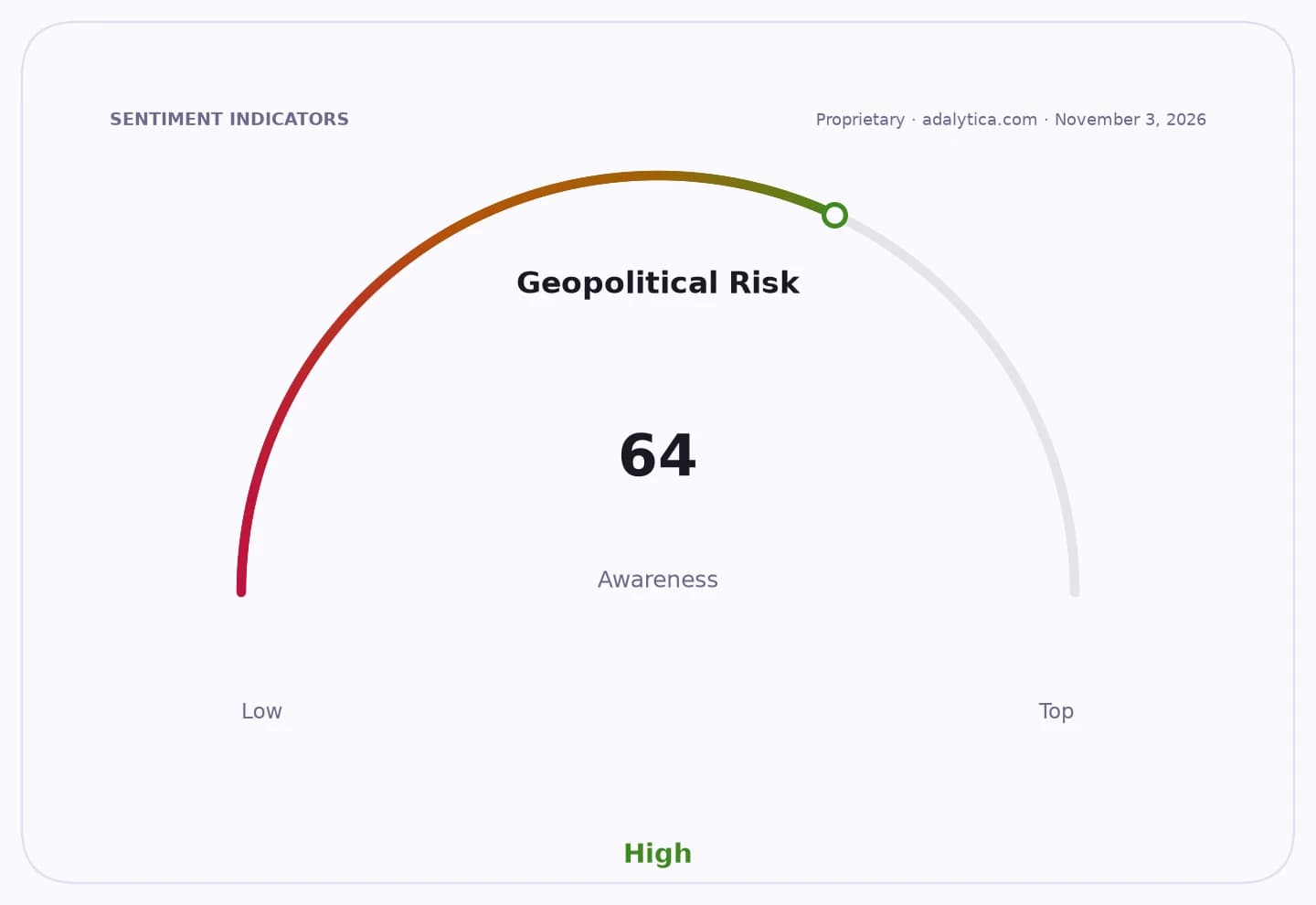
Sentiment Indicators
The two-day forum, organized by Aspen Institute Romania and the German Marshall Fund of the United States under the patronage of Romania’s president, comes as debates over Ukraine’s reconstruction, Black Sea infrastructure, cyber defense and new trade corridors move closer to the center of policy making. Organizers say sessions will examine the link between security and markets, fiscal credibility, financial stability and the development of the defense industry.
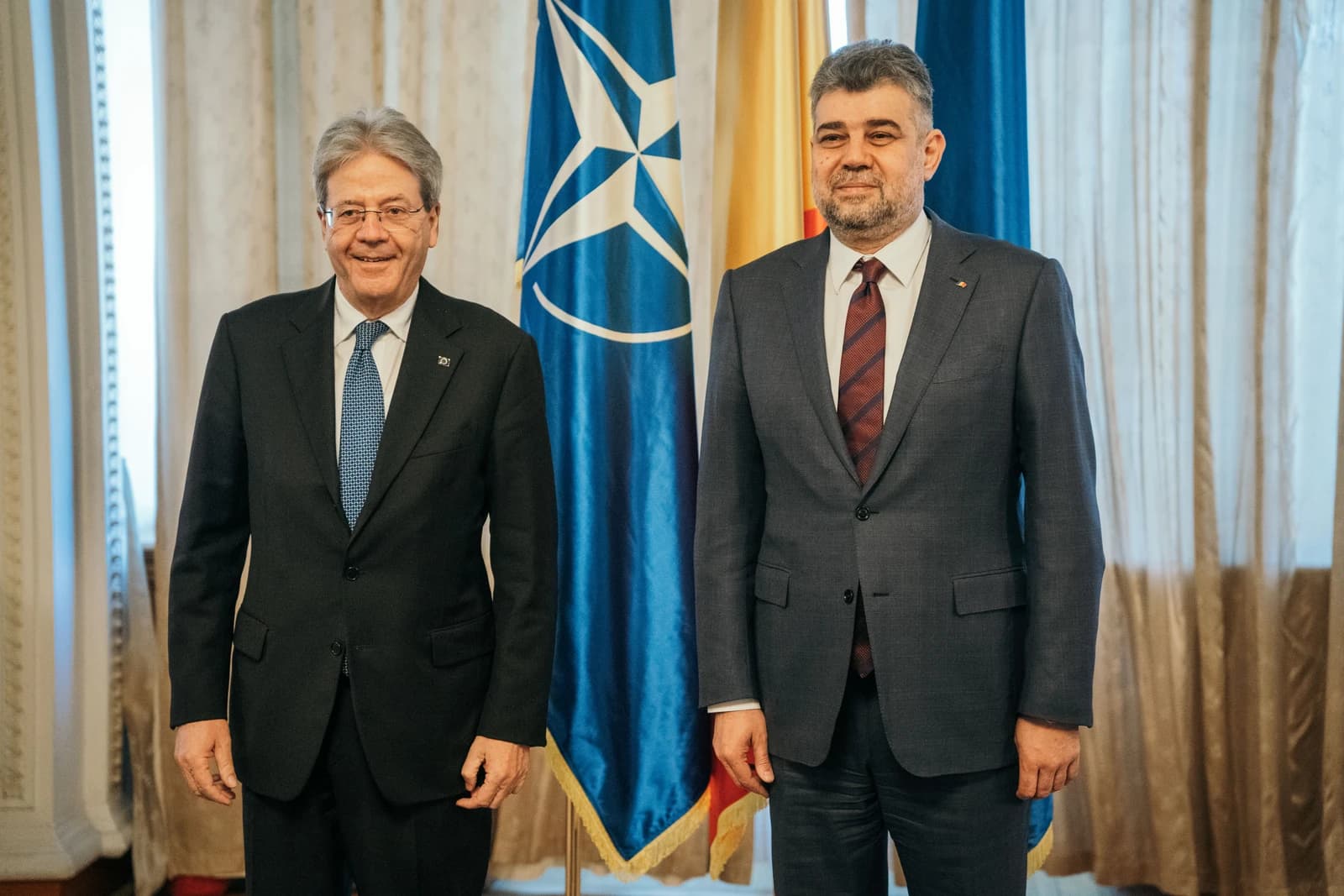
The speaker roster underscores that blend of politics and capital. Confirmed participants include former German foreign minister Annalena Baerbock, Gulf Cooperation Council secretary-general Jasem Mohamed AlBudaiwi, former NATO deputy chief Mircea Geoană, German state minister for Europe Gunther Krichbaum and representatives from NATO, the State Department and the European Investment Bank.
Geopolitical Risk — 30-day sentimentadalytica.com
Explore this data interactively — full history, time series and cross-market comparisons.
On the financial side, the forum brings together Moldova’s central bank governor Anca Dragu, IMF deputy director Helge Berger, World Bank regional director Anna Akhalkatsi, Romania’s financial watchdog chief Alexandru Petrescu and executives from BCR, UniCredit Bank Romania and Raiffeisen Bank Romania. That mix points to the growing importance of banking resilience, sovereign financing and cross-border investment as the region navigates war, energy disruption and tighter security rules.
The agenda also reflects how investors are reassessing the region’s industrial base. Panels will focus on energy investment, technologies with civilian and military uses, cyber security, the AI build-out in Europe and the obstacles slowing defense technologies from prototype to deployment.
A separate set of discussions will look at Europe-Gulf relations, the impact of Middle East conflicts on shipping and energy, and Romania’s role in regional supply and infrastructure networks. The forum also gives space to city competitiveness, health innovation and the use of natural capital in growth, but the main market takeaway is that the geopolitical premium on capital, logistics and technology is rising.
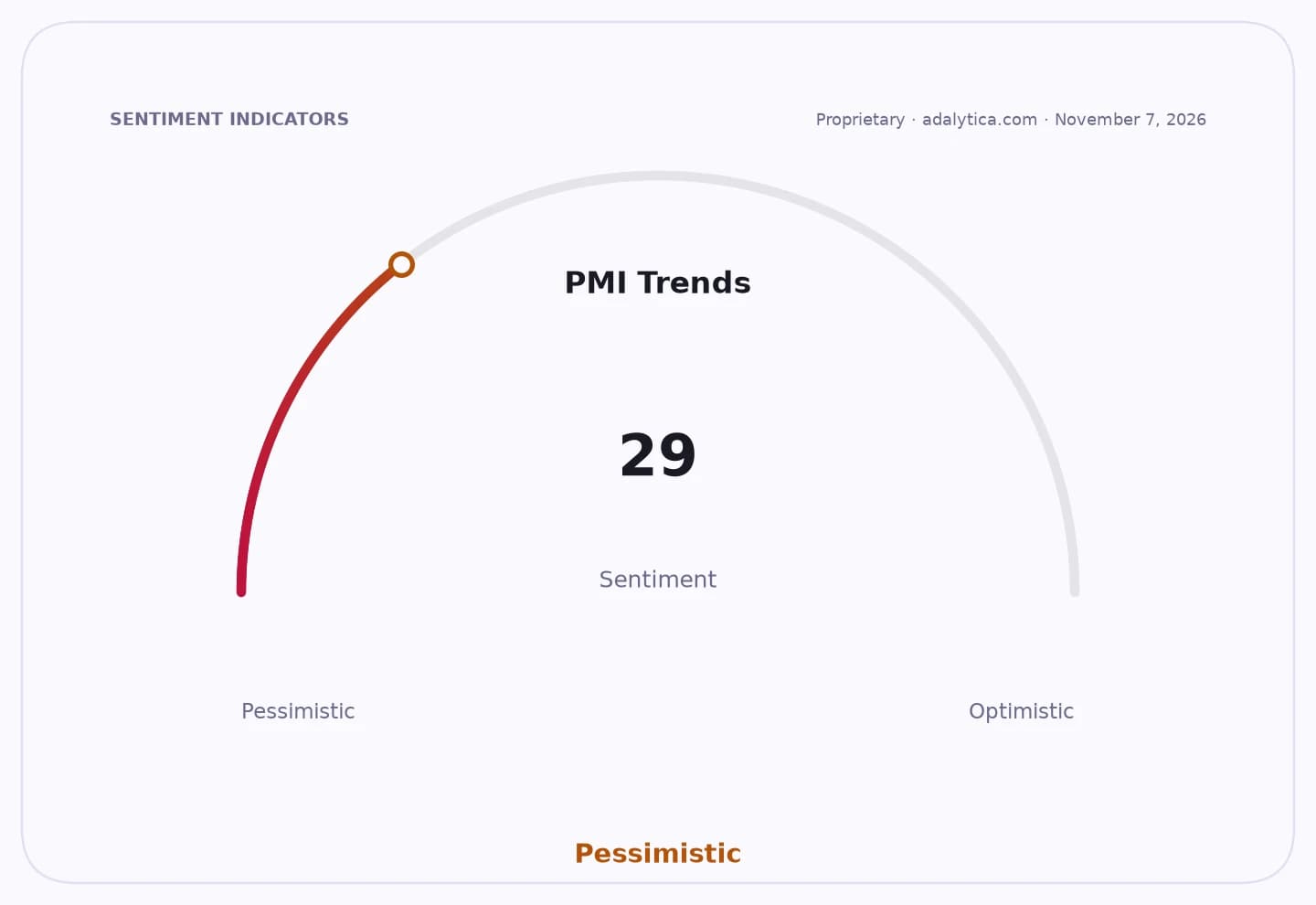
Adalytica’s Global Stability Sentiment gauge currently shows 86, classified as Extreme Greed, while awareness remains at 4, or Extreme Fear, suggesting markets may be pricing in strategic risk even as attention to those risks stays low.
As the forum enters its 15th edition, the key question for policymakers and investors is whether Europe can turn this security-first agenda into investment, industrial policy and infrastructure spending fast enough to keep pace with shifting geopolitical fault lines.
| Entity | Gains | Losses |
|---|---|---|
| Romania | ▲Higher strategic relevance | ▼Exposure to regional risk |
| Banks and insurers | ▲More financing demand | ▼Bigger security and credit costs |
| Defense and cyber firms | ▲Stronger policy support | ▼Slower deployment hurdles |
| Exporters and shippers | ▲New corridor opportunities | ▼Middle East and Black Sea disruption |