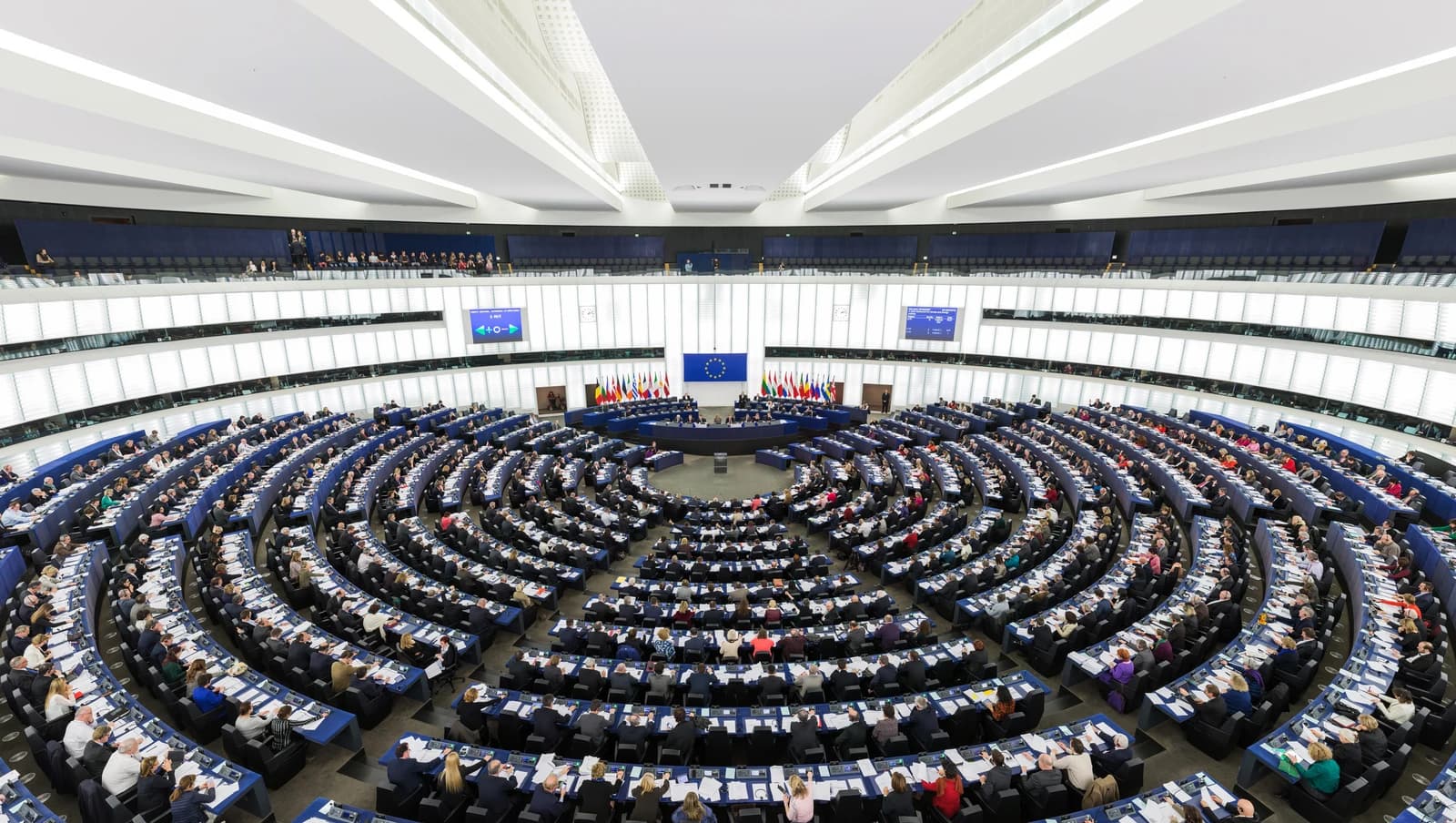
Kaja Kallas’ call to speed up European Union enlargement is more than a diplomatic slogan — it is a signal that Brussels is treating accession as a security strategy, not just a bureaucratic process, and that could redirect capital toward the bloc’s eastern and southeastern edge.
EU enlargement focus boosts Montenegro, Albania, Moldova

The most important shift is the Commission’s willingness to put hard timelines around accession for the most advanced candidates, with road maps now set out for Montenegro, Albania, Moldova and Ukraine. That matters because accession talks have long been a slow-moving political asset with little market traction; now they are being reframed as an economic and geopolitical tool at a time when Europe is grappling with war, strategic rivalry and uncertainty over supply chains, defense and energy.
Sentiment Indicators

For investors, that changes the map. EU membership prospects tend to pull forward reforms, institutional upgrades and infrastructure spending, which in turn can lower country risk premiums, deepen capital markets and support local currencies and banks. Kallas’ emphasis on a separate security and defense section in this year’s report underscores a broader reality: enlargement is increasingly about fortifying Europe’s perimeter, not just adding flags to the table. That should benefit contractors, logistics firms, utilities, telecoms and financials with exposure to candidate economies, especially in the Western Balkans and along the Black Sea corridor.
The clearest near-term beneficiary is Montenegro, which Brussels says is closest to finishing accession talks and could sign an accession treaty by next summer. Albania has also advanced quickly, while Moldova and Ukraine remain strategically central despite external pressure and, in Ukraine’s case, war. Kallas’ push to open the remaining negotiation clusters with Kyiv before year-end shows the EU wants to lock in reform momentum even before the conflict ends.
Geopolitical Risk
There is also a market signal in the broadening geopolitical context. Adalytica’s Global Stability Sentiment gauge remains in neutral territory at 68, but awareness of risk is still elevated, and that helps explain why Brussels is leaning harder into enlargement now. When geopolitical fear rises, the premium on institutional anchors goes up. The EU is effectively telling investors that accession is a defense against instability — and that makes the candidate countries a longer-duration political trade.
That is where the asymmetric opportunity lies. The market still treats enlargement as a distant headline risk, but history suggests that even partial progress can re-rate assets well before formal entry. The winners are those tied to convergence: local lenders, builders, energy networks, ports, rail and digital infrastructure. The losers are delay, veto politics and countries such as Georgia, where Brussels says democratic backsliding has effectively frozen the path.
For investors, the message is straightforward: Brussels is turning enlargement into a capital-allocation story. The best way to play it is to look beyond the core eurozone and position early in the infrastructure, financial and industrial names most exposed to the next wave of EU convergence.
| Entity | Gains | Losses |
|---|---|---|
| Montenegro, Albania, Moldova, Ukraine | ▲Faster accession path | ▼Reform laggards |
| EU infrastructure and defense contractors | ▲More spending demand | ▼Status quo beneficiaries |
| Local banks and builders in candidate states | ▲Lower risk premium | ▼Delay and veto politics |
| Georgia and stalled applicants | ▲None | ▼Accession momentum |