Albania’s push to wrap up European Union accession talks by 2027 now faces its clearest test: Brussels is saying the country’s political and economic future will depend on media freedom, an independent judiciary and deeper rule-of-law reforms.
Albania EU accession depends on rule-of-law reforms

That message from EU Enlargement Commissioner Marta Kos matters because it turns enlargement from a diplomatic slogan into a conditional investment case. The EU is not rewarding headline progress alone. It is signaling that Albania’s next stage of integration will be judged on whether institutions can function without political interference, whether courts can enforce contracts and corruption rules, and whether journalists can operate freely enough to keep power accountable.
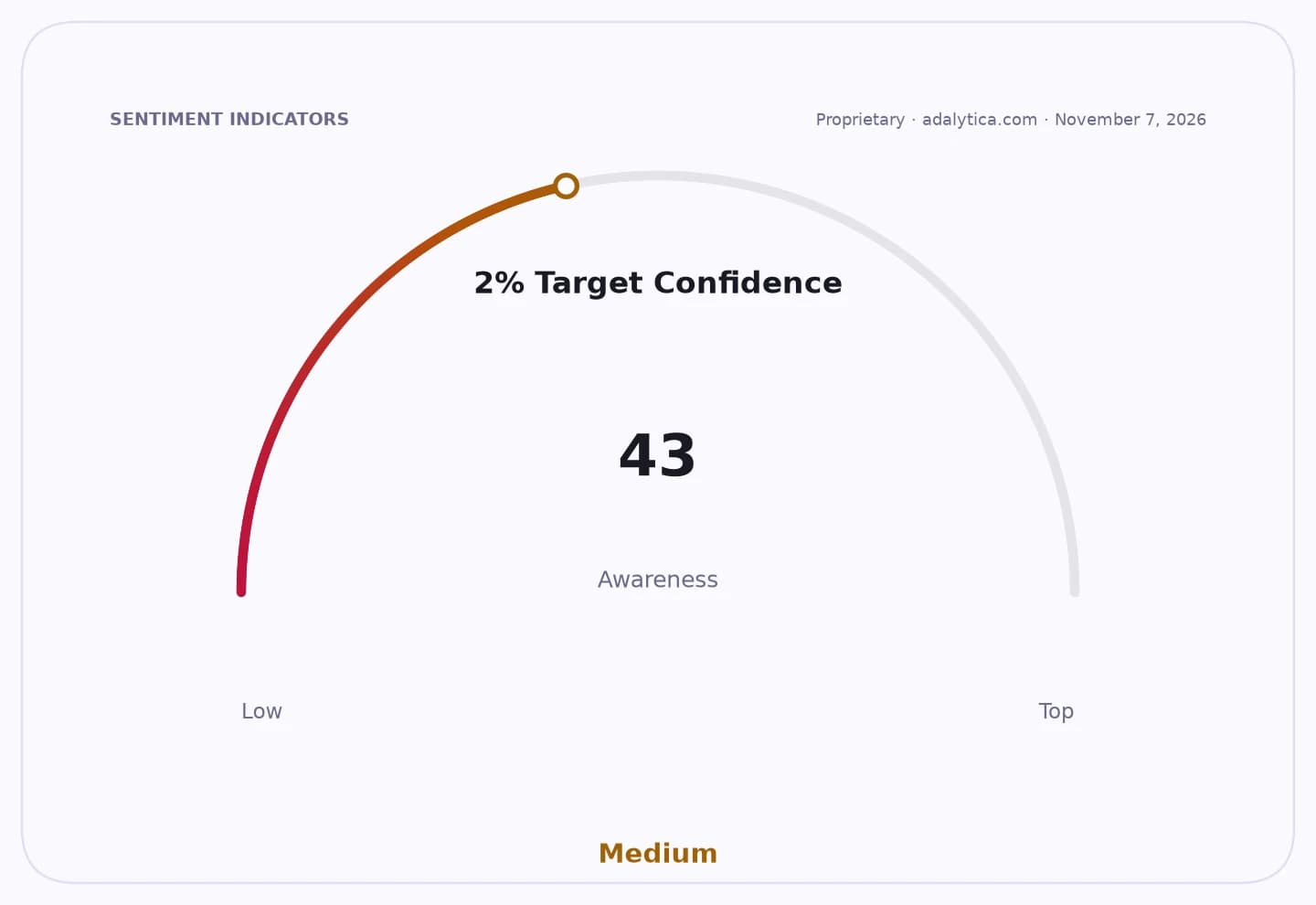
Sentiment Indicators
Kos told the European Parliament that Albania has already closed four negotiating chapters and aims to close others temporarily, with the government targeting completion of accession talks in 2027. But she paired that progress with a blunt warning that the center of reform must be “the rule of law,” alongside fundamental rights, media freedom and an independent judiciary. That is the part investors should care about most. For a small emerging economy trying to attract capital, progress on accession is only valuable if it lowers the legal and political risk premium that hangs over infrastructure, banking, energy and tourism investment.
The timing is also significant. Kos’s comments came as Albania faces protests against the government, with accusations of corruption and demands for political accountability feeding wider frustration over institutions. When the EU presses rule-of-law benchmarks at the same moment domestic anger is rising, it strengthens the hand of reformers and raises the political cost of backsliding. It also makes clear that Brussels will not treat accession as a box-ticking exercise.
For markets, the implication is straightforward: Albania’s accession story is becoming a governance trade. Countries that can prove institutional durability tend to draw more foreign direct investment, cheaper financing and stronger private-sector confidence. Those that cannot remain stuck with a higher discount rate, regardless of headline growth or reform rhetoric. That is why the market underestimates how much value can be created by genuine judicial independence and cleaner regulation in a frontier economy.
The bigger narrative is that EU enlargement is shifting from geopolitics to execution. Brussels wants a larger Union that is safer and more prosperous, but it is making clear that expansion will not come at the expense of institutional quality. Albania has momentum, and 2027 is now a plausible political target. The investable question is whether the country can convert that momentum into credible governance gains fast enough to unlock a lower-risk rerating.
For investors watching the Western Balkans, the opportunity sits not in the promise of membership alone, but in the assets and sectors that benefit first when rule-of-law reform starts to stick. The winners are the ones positioned ahead of the credibility trade.
| Entity | Gains | Losses |
|---|---|---|
| Albania’s reformers | ▲EU momentum | ▼Political complacency |
| Foreign investors | ▲Lower risk premium | ▼Governance uncertainty |
| EU enlargement agenda | ▲Credibility | ▼Delay from backsliding |
| Corruption networks | ▲— | ▼Stricter oversight |