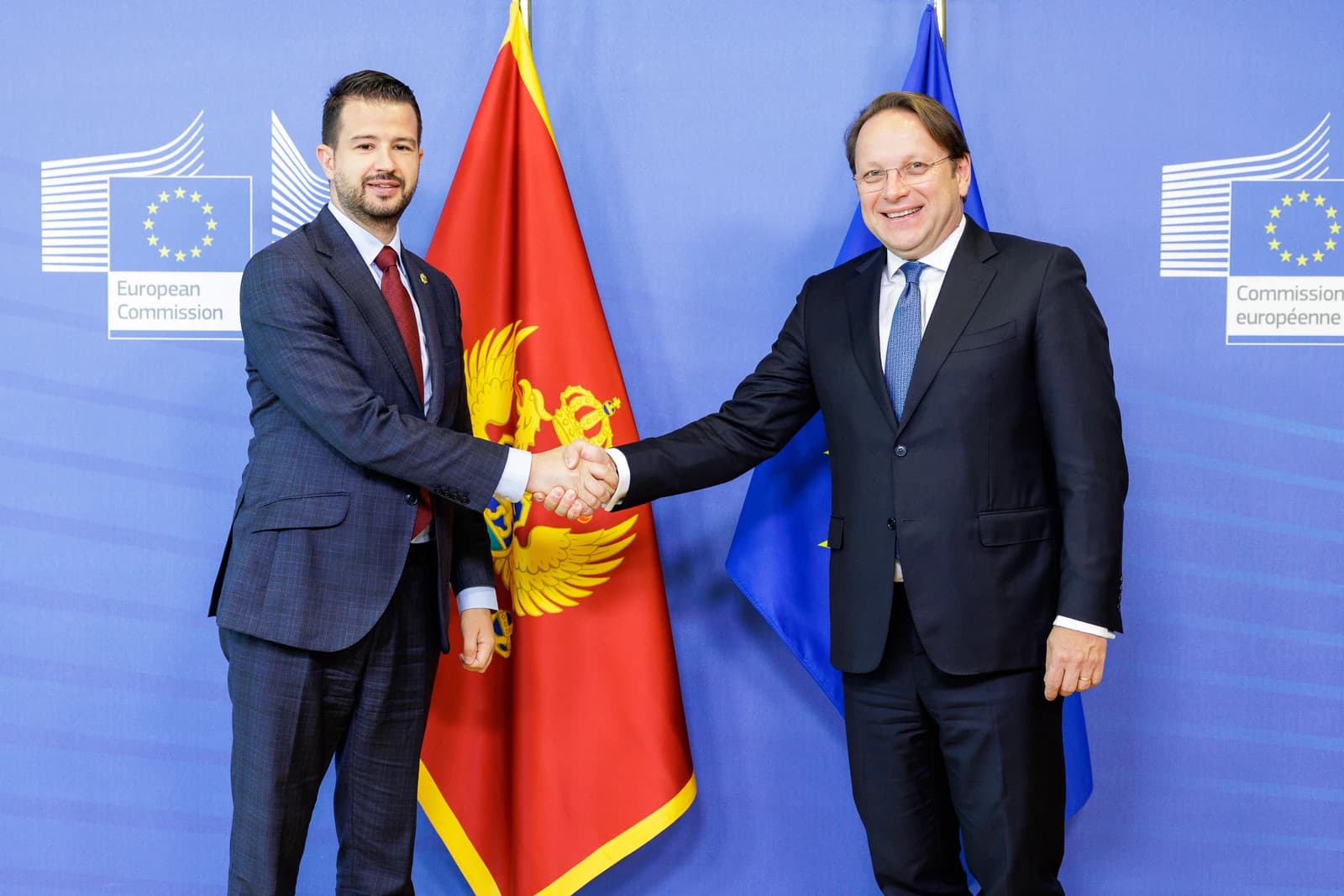
Montenegro’s push for European Union entry by 2028 is gaining political momentum, but the bigger economic issue is Brussels’ insistence that any new member must join on equal terms, not as a downgraded or “second-tier” participant. That stance matters because it sets the template for the next phase of EU enlargement, shaping capital flows, reform incentives and the risk premium investors assign to the Western Balkans.
Montenegro EU Entry Push Raises Investor Focus
For markets, the message is less about the calendar than about credibility. A clear accession path can lower sovereign borrowing costs, support foreign direct investment and strengthen the currency and banking outlook in candidate economies by reducing institutional uncertainty. But if Brussels were to soften the rules to speed enlargement, it could also create a two-speed membership structure that markets would price as politically fragile and legally ambiguous.
Sentiment Indicators
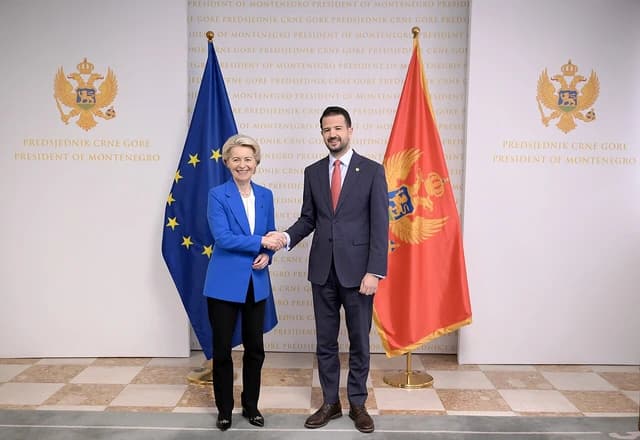
Montenegro has long been one of the Western Balkans’ most advanced candidates, and its 2028 target reflects a broader EU effort to show enlargement remains alive at a time of geopolitical competition. That matters for investors because EU membership is not just a diplomatic badge; it affects regulatory alignment, trade access, infrastructure funding and the outlook for domestic reform. Countries that move closer to accession often see renewed interest from lenders, utilities, developers and consumer companies betting on faster convergence with EU standards.
The European Commission’s more upbeat tone also comes as Moldova has emerged as a front-runner in the accession race, underscoring how Brussels is trying to reward reform momentum and political alignment. The contrast matters: candidates that advance can attract capital earlier, while laggards risk being left in a weaker competitive position for investment and labor.
Euro
Still, the pathway remains conditional. The EU’s refusal to countenance “second-class” membership suggests enlargement will remain rules-based, even if politics pushes for acceleration. For Montenegro, that means progress will depend not only on Brussels’ appetite to expand, but on whether Podgorica can keep delivering on judicial reform, governance and anti-corruption benchmarks. For investors, the near-term trade is on reform credibility; the longer-term risk is that another ambitious accession timeline runs into the same institutional bottlenecks that have slowed previous rounds.
| Entity | Gains | Losses |
|---|---|---|
| Montenegro | ▲Lower risk premium | ▼Delayed reforms |
| EU reformers | ▲Enlargement credibility | ▼Two-tier membership idea |
| Investors in Balkans | ▲Better FDI outlook | ▼Policy uncertainty |
| Laggard candidates | ▲Less immediate pressure | ▼Relative attention and funding |