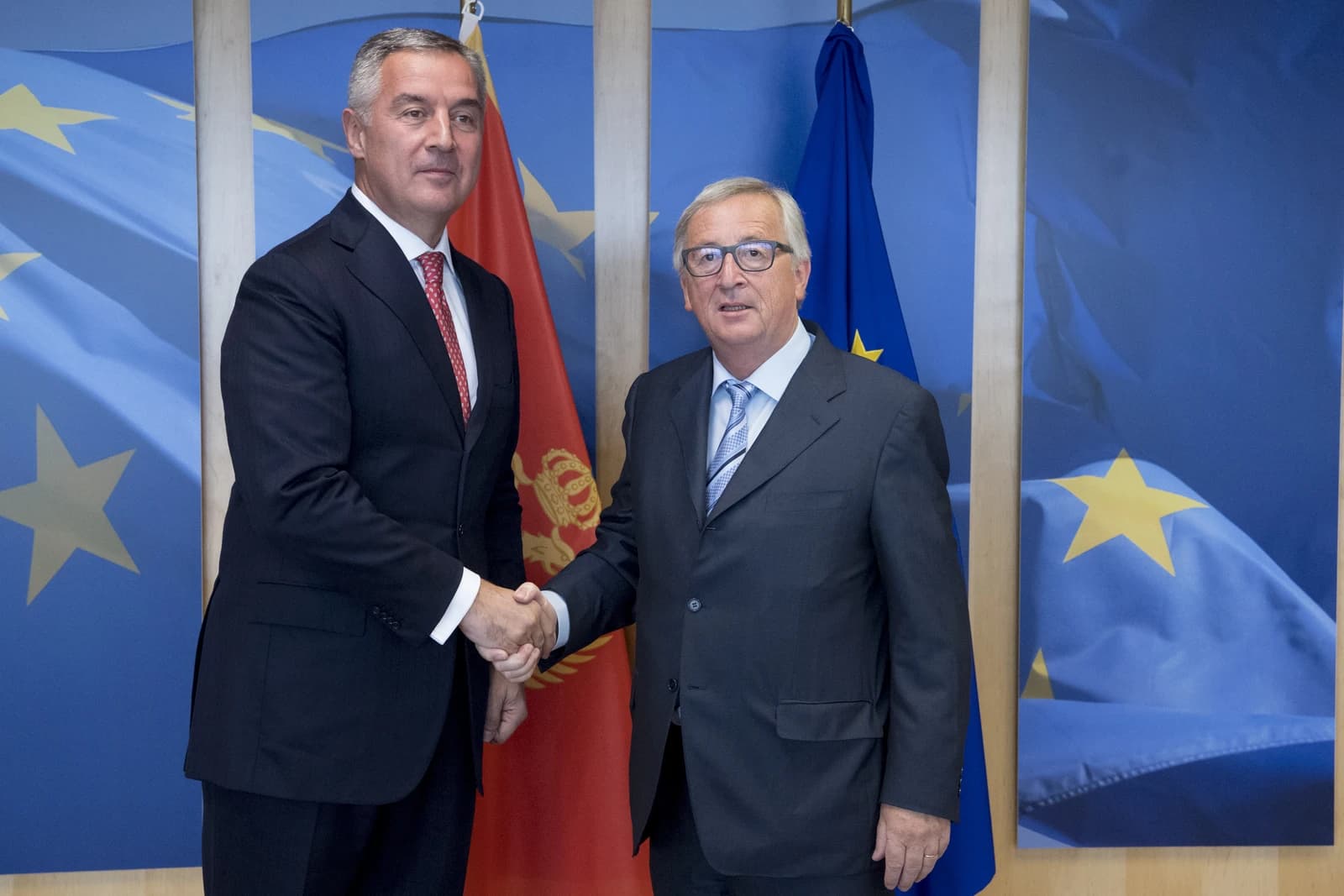
Crna Gora’s EU path has just been made harder, with Croatia forcing Brussels to strip out a deadline that would have pressed for provisional closure of all accession chapters by year-end.
Montenegro EU Accession Deadline Removed
That matters because Montenegro’s membership bid is now being held hostage to bilateral politics, not just technical reform benchmarks. For investors watching the Western Balkans, it is a reminder that enlargement remains a political process in which one member state can slow, or effectively shape, the pace of progress for a candidate country.
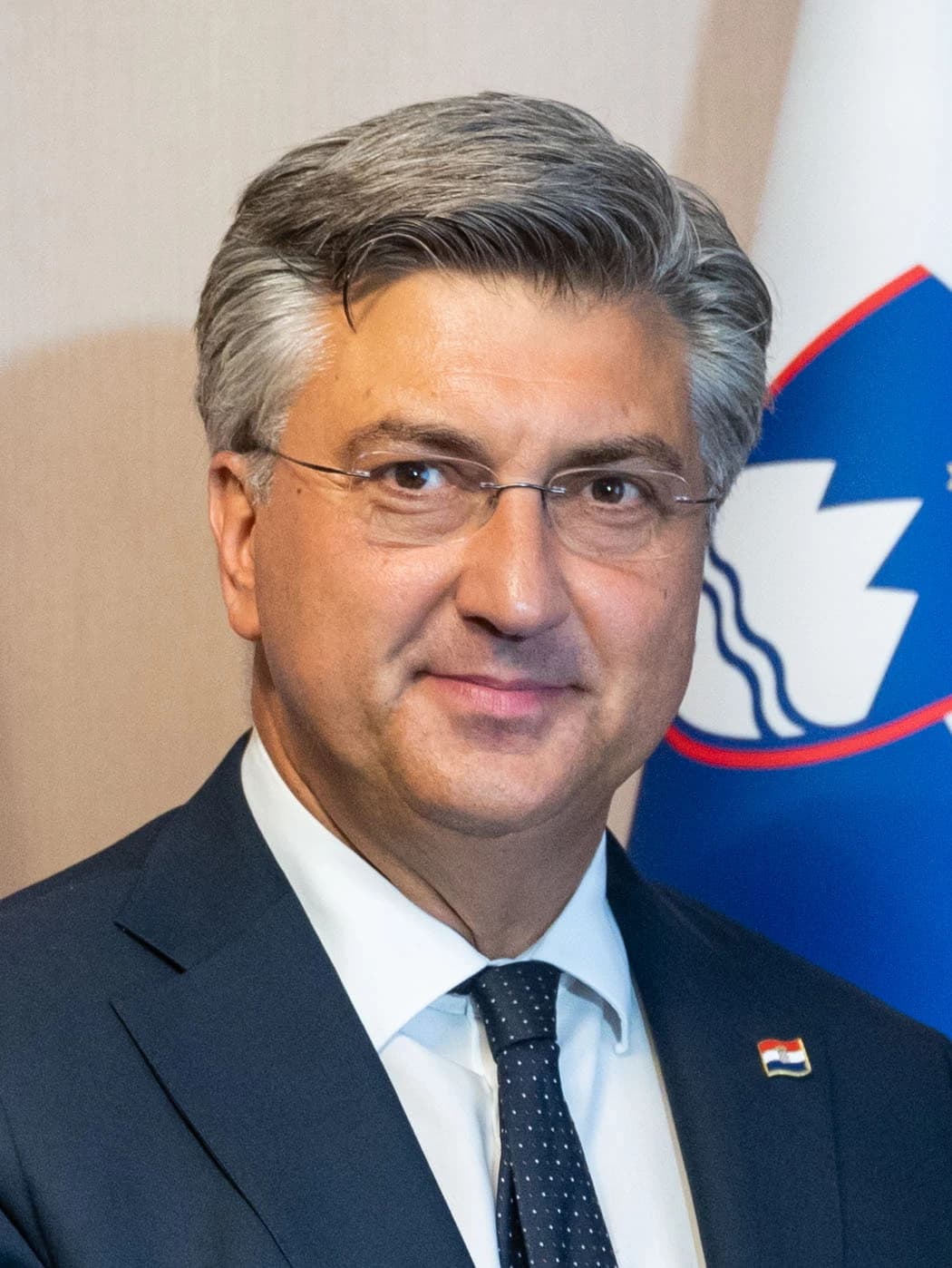
The immediate trigger was Croatian Prime Minister Andrej Plenković’s intervention in the EU’s draft conclusions on Montenegro, according to regional media cited by the Democratic Party of Socialists. Zagreb wanted references to a deadline removed, after previously listing eight outstanding issues Montenegro must address before Croatia will give its backing for the next phase of talks.
This is more than a diplomatic wrinkle. Montenegro has built its long-term growth story around joining the EU, because accession can improve the rule of law, lower risk premiums, unlock foreign direct investment and support tourism, infrastructure spending and private capital formation. Any sign that the process is slipping encourages delay, uncertainty and political noise — all of which are toxic for small economies trying to attract long-term money.
The bigger economic story is that the region’s investment case depends heavily on predictability. If accession progress can be slowed by unresolved disputes over history, symbols or local politics, then businesses have to price in a longer timeline for regulatory convergence and institutional improvement. That can weigh on valuations, borrowing costs and the willingness of strategic investors to commit capital.
The Democratic Party of Socialists blamed Montenegro’s ruling coalition for worsening ties with Zagreb, arguing that recent political decisions, including the controversial Jasenovac resolution, have complicated the relationship. Whether or not one agrees with that reading, the market lesson is straightforward: diplomacy is now part of the investment risk calculation for Montenegro.
For investors, the key question is not whether Brussels still wants enlargement — it clearly does — but whether Montenegro’s leaders can maintain the discipline needed to move negotiations forward. Every delay makes the country’s reform dividend more distant, and that pushes the payoff for patient capital further into the future. This is a story worth watching, especially for anyone with exposure to Balkan sovereign risk, infrastructure, tourism or frontier-market assets.
| Entity | Gains | Losses |
|---|---|---|
| Croatia | ▲Leverage over accession terms | ▼None immediately |
| Montenegro | ▲Long-term reform incentive | ▼Faster EU progress |
| EU institutions | ▲Pressure to manage enlargement carefully | ▼Credibility if timelines slip |
| Investors in Montenegro | ▲Clarity on political risk | ▼Near-term certainty and timing |