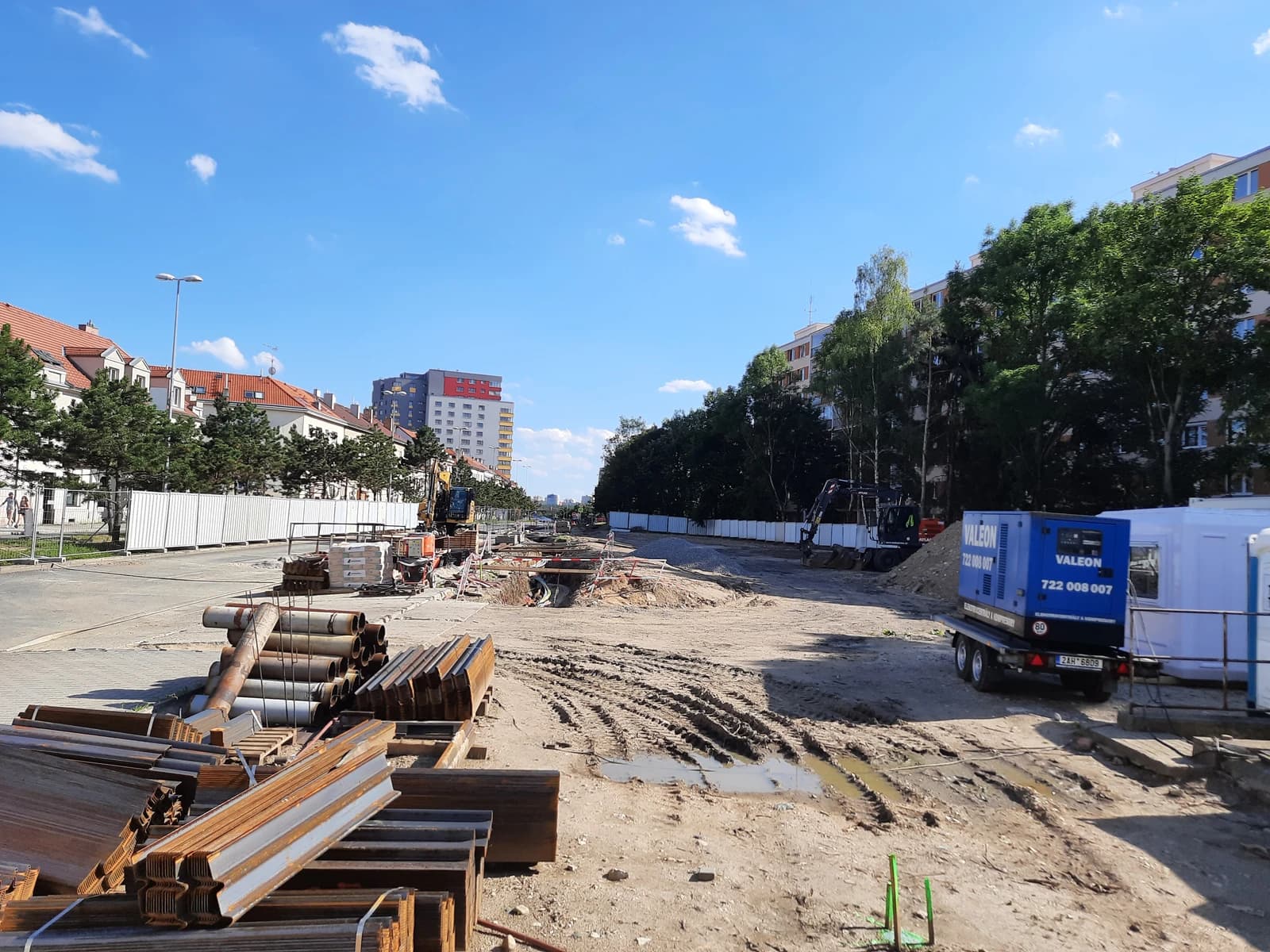
Kosovo’s private investment pattern in 2025 points to an economy still leaning hard on bricks and mortar, with construction absorbing 53.53% of the country’s 1.54 billion euros in business spending.
Kosovo private investment shifts toward construction in 2025
That matters because the allocation tells investors far more than the headline total: capital is flowing into real estate, buildings and site activity rather than into machinery, technology and productivity upgrades that usually drive longer-term growth. In a market like Kosovo, where businesses funded 58.22% of investment with their own cash and another 30% came from local banks, the composition of that spending is a direct read on confidence, credit demand and the shape of future output.
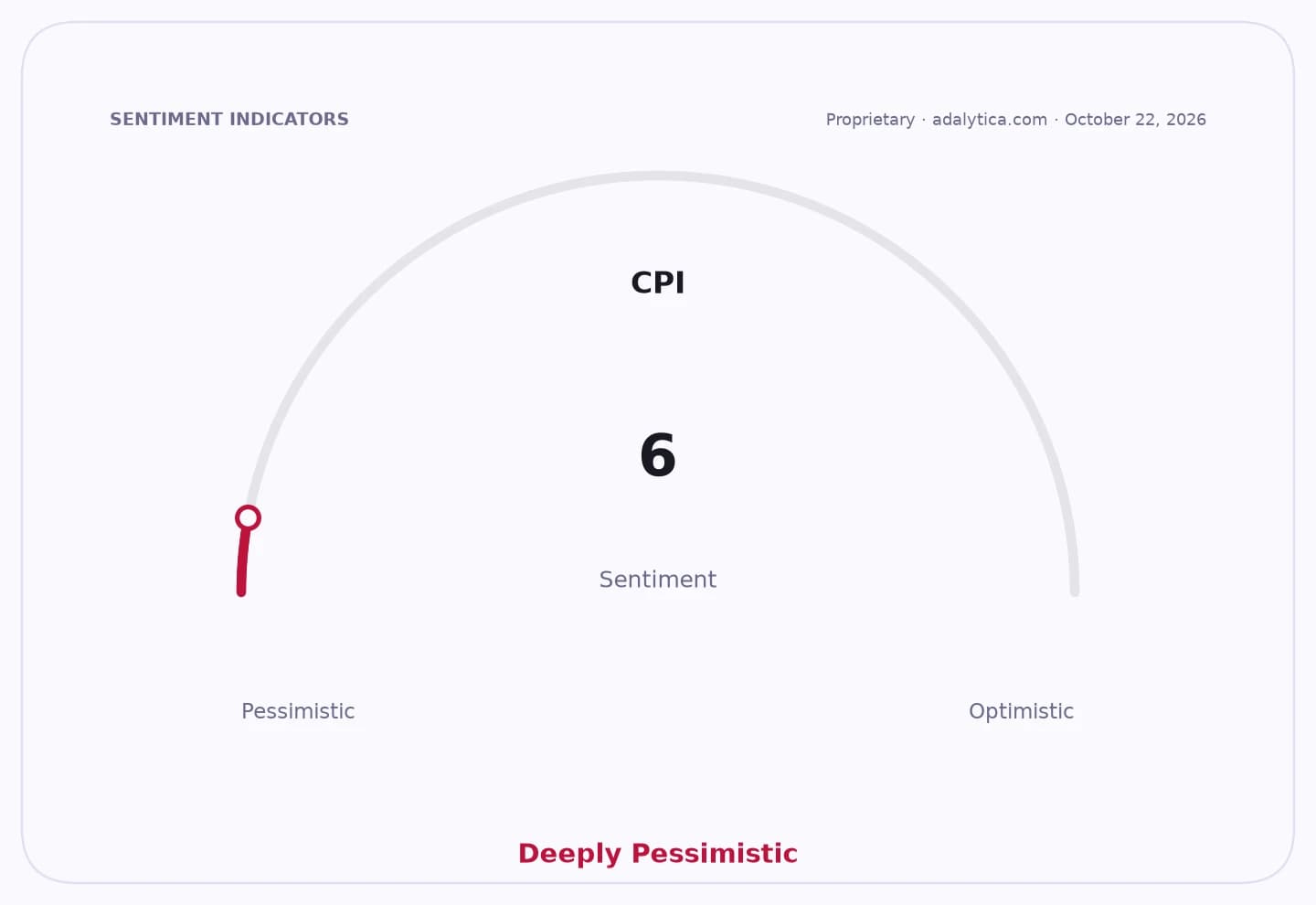
Sentiment IndicatorsⓘProprietary · adalytica.com · October 22, 2026
This is a snapshot — live sentiment, awareness and momentum for 130+ markets update continuously in the dashboard.Open AlphaPulse
The Kosovo Statistics Agency survey shows the shift was pronounced. Construction’s share rose from 46.66% in 2024 to 53.53% in 2025, while machinery and equipment dropped to 35.75% from 45.13%. In euro terms, construction accounted for roughly 824.5 million euros, versus about 550.7 million euros for machinery and equipment. The gap between the two widened sharply in a year, underscoring how strongly businesses are favoring physical expansion over modernization.
For investors, that creates a clear set of winners and losers. Construction contractors, cement and materials suppliers, and land-linked developers stand to benefit from the spending cycle. But manufacturers, automation vendors and technology providers are being left behind by a capex mix that is heavy on structures and light on productivity tools. That matters because a construction-led investment cycle can lift GDP in the near term without necessarily improving competitiveness, export capacity or margins over the medium term.
The concentration is even more striking by sector and region. Wholesale and retail trade took 24.12% of investment, construction activity itself 20.66%, and manufacturing 20.37%, together accounting for more than 65% of all spending. The Prishtina region alone captured 57.16% of total investment, or about 880.5 million euros, more than the other six regions combined. That kind of geographic skew points to a capital market and business base still clustered around the capital, reinforcing inequality in development and limiting the breadth of the investment upswing.
Financing also tells an important story. With banks providing about 462.1 million euros and businesses relying heavily on internal funds, Kosovo’s investment cycle remains domestically financed and relatively insulated from foreign capital. But it also means the economy is more exposed to local liquidity, local rates and local confidence. Foreign creditors and co-investors together accounted for less than 5% of financing, a reminder that outside capital is still marginal in private investment.
The headline risk for the market is that this is an investment boom with a narrow base. If construction remains the dominant destination for capital, the next phase of growth may be more cyclical than structural, and that leaves room for disappointment if housing demand, government-linked projects or credit conditions soften. The better long-term opportunity, in our view, is not simply in the builders already riding the wave, but in the few listed or scalable businesses positioned to supply materials, logistics and financing into Kosovo’s infrastructure cycle while the market remains focused on the headline growth number.
| Entity | Gains | Losses |
|---|---|---|
| Construction firms | ▲Higher capital inflows | ▼N/A |
| Materials suppliers | ▲Stronger demand | ▼Underinvestment risk if cycle fades |
| Banks | ▲More business lending | ▼Credit exposure to property cycle |
| Tech and machinery providers | ▲N/A | ▼Smaller share of investment spending |