Croatia is moving to deepen economic ties with China at a moment when Europe is wrestling with trade frictions and supply-chain realignment, with Prime Minister Andrej Plenkovic using the first visit by a Chinese foreign minister in 33 years to press for more Chinese investment, direct flights and cooperation in energy and tourism.
Croatia Seeks More China Investment and Direct Flights
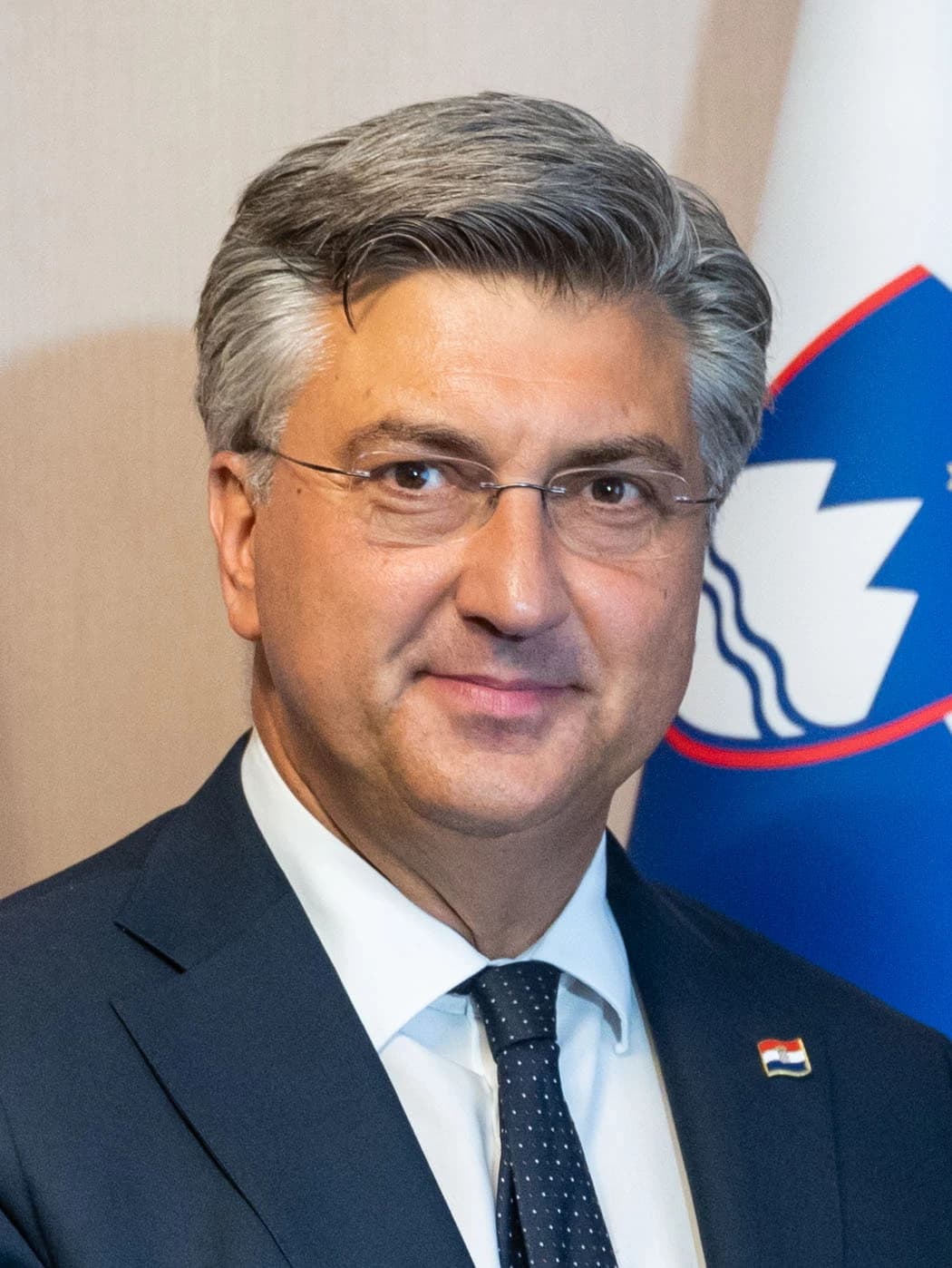
The meeting with Foreign Minister Wang Yi in Zagreb matters because it signals that Croatia sees room to expand commercial links with China even as the EU hardens its stance on trade imbalances and industrial policy. For Zagreb, the attraction is straightforward: Chinese participation has already left a visible mark in infrastructure, including the Peljesac Bridge, and the government wants that capital and engineering presence extended into photovoltaics, wind power and tourism, sectors that can support growth without requiring a large fiscal outlay from the state.
Sentiment IndicatorsⓘProprietary · adalytica.com · October 21, 2026
This is a snapshot — live sentiment, awareness and momentum for 130+ markets update continuously in the dashboard.Open AlphaPulse
For China, Croatia offers a foothold inside the EU at a time when Beijing is trying to blunt calls for tighter trade barriers and to keep channels open with member states that are willing to engage bilaterally. Wang’s message that China views the EU as a partner, not a rival, and his emphasis on direct flights and visa-free access are designed to frame the relationship as practical and consumer-friendly, not geopolitical. That is important in Brussels because Croatia’s openness could complicate efforts to present a unified European line on China, especially on trade deficits, market access and investment screening.
The economic logic is also regional. Croatia sits at the intersection of the Adriatic, the Balkans and the EU’s southeastern flank, making it useful for transport, logistics and tourism flows. A resumption of the China-Central and Eastern Europe leaders’ mechanism would give both sides another institutional channel at a time when dialogue between the EU and China remains uneven. Plenkovic’s call for closer communication over trade imbalances suggests Zagreb wants Chinese capital without becoming a flashpoint in broader EU-China tensions.
For investors, the immediate relevance is limited, but the broader implications are not. Expanded Chinese participation in Croatian infrastructure and clean energy could support contractors, utilities and tourism-linked assets, while direct air links would help travel demand and hospitality revenues. At the same time, the visit underscores that pockets of Europe remain open to Chinese engagement, which may temper expectations for a clean decoupling and keep alive the possibility of selective cross-border investment in Europe’s periphery.
The main question now is whether the political warmth translates into bankable projects. If it does, Croatia could gain a new source of funding for growth at relatively low sovereign cost. If it does not, the visit will still matter as a signal that some EU members are willing to pursue a more accommodating China policy even as the bloc debates how to protect its industrial base and narrow trade gaps.
| Entity | Gains | Losses |
|---|---|---|
| Croatia | ▲More investment and flights | ▼Less room for EU-policy ambiguity |
| China | ▲EU market access and influence | ▼Pressure over trade imbalances |
| Croatian exporters/tourism | ▲New demand and connectivity | ▼Exposure to geopolitical pushback |
| EU hawks on China | ▲None | ▼Harder line on Beijing weakened |