Serbian Interior Minister Ivica Dačić’s visit to Moscow underscores how Kosovo remains a live geopolitical fault line and why Belgrade continues to lean on Russia as it balances Western pressure and its own strategic options.
Serbia’s Dačić Meets Lavrov and Shoigu in Moscow
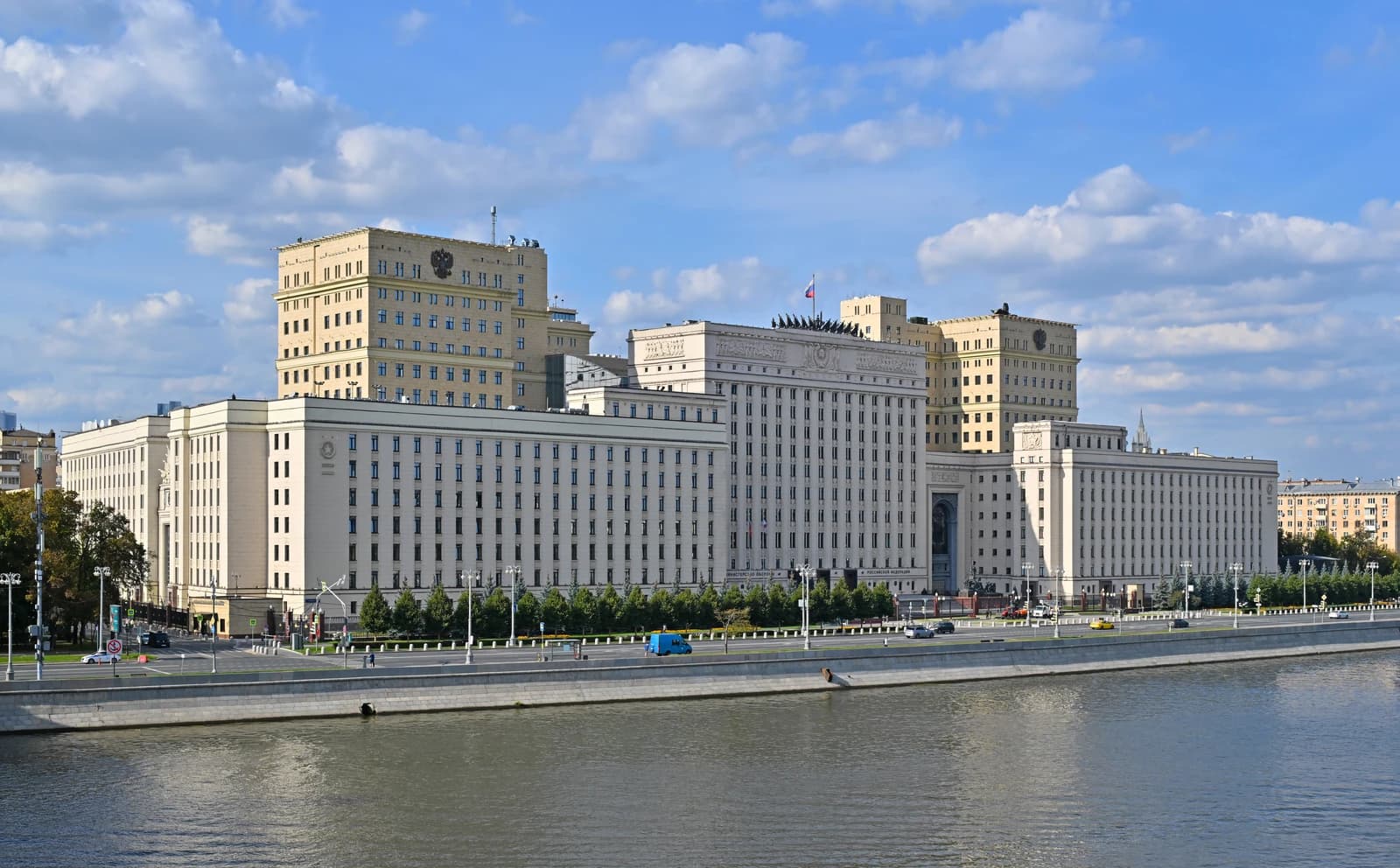
Dačić met Russian Foreign Minister Sergei Lavrov and Security Council Secretary Sergei Shoigu to discuss bilateral ties, the “strategic partnership” between Moscow and Belgrade and the situation in Kosovo, according to Serbian media reports. The trip matters because it signals that Serbia is still keeping high-level channels open with Russia at a time when Brussels and Washington expect it to align more closely with the West, especially over sanctions on Moscow and the long-running dispute with Pristina.
For investors and policymakers, the significance is less about the optics of another diplomatic meeting than the message it sends about Serbia’s foreign-policy positioning. Belgrade is trying to preserve Russian support on Kosovo while not severing economic ties with the European Union, its largest trading partner and source of investment. That balancing act can help Serbia maintain room to maneuver, but it also leaves the country exposed to diplomatic pressure, slower EU integration and periodic spikes in regional risk sentiment.
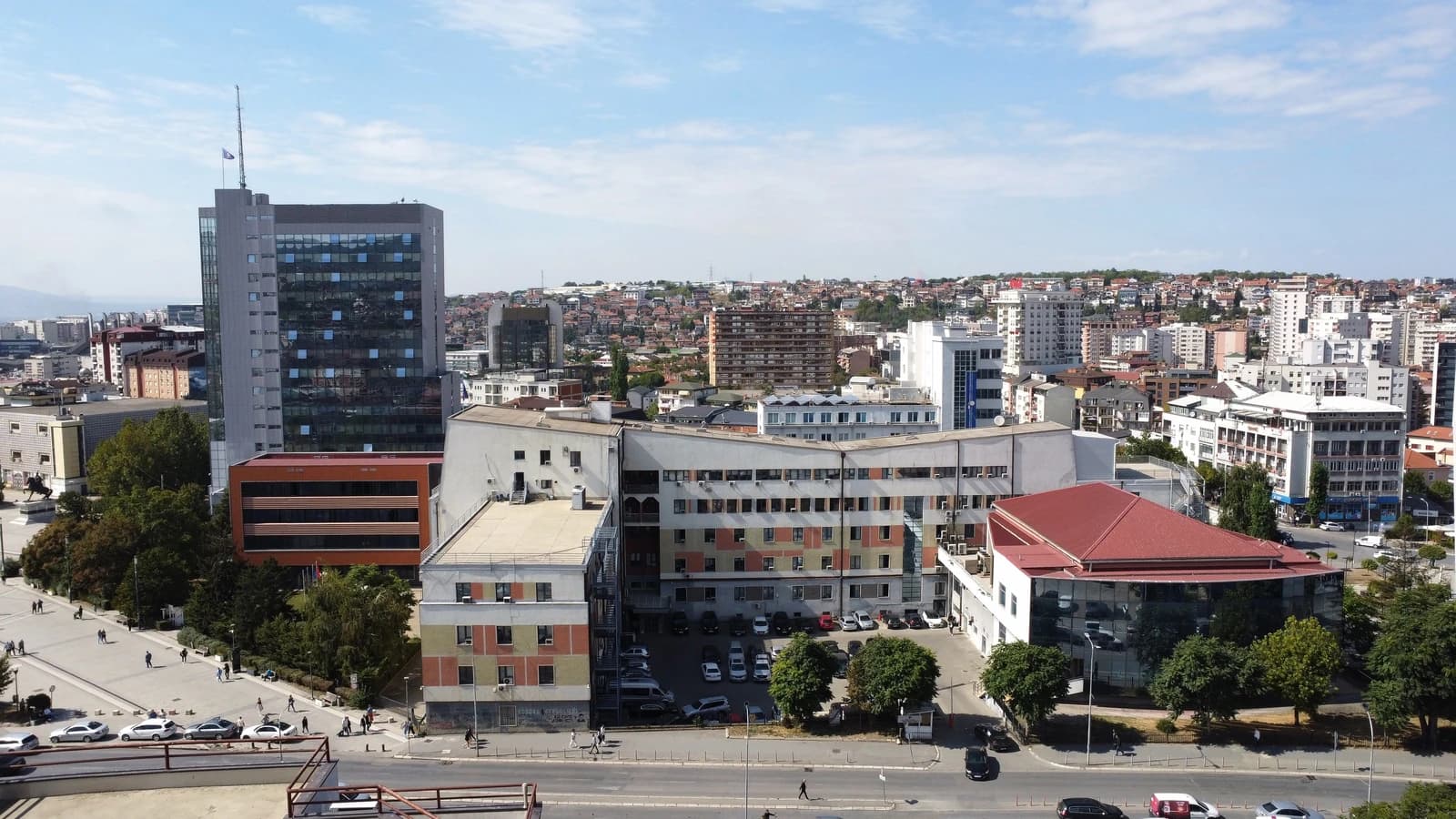
The Kosovo issue is central to that calculation. Any hardening of Serbia-Russia cooperation, or any perception in Western capitals that Belgrade is drifting closer to Moscow, can complicate talks with the EU and add uncertainty around regional security. At the same time, Serbia has an incentive to keep Russia engaged diplomatically, given Moscow’s role at the UN and its backing on Kosovo-related questions.
The broader market impact is indirect but real. Elevated Balkan political risk can weigh on investment decisions, FX expectations and sovereign-risk pricing across the region, particularly if tensions spill into public confrontation or sanctions rhetoric. For now, the meeting suggests continuity rather than escalation, but it also confirms that Serbia’s foreign policy remains anchored in a delicate three-way tension between Russia, the West and the Kosovo dispute.
What investors will watch next is whether Belgrade uses the Moscow outreach to reinforce its negotiating position without triggering a new round of EU criticism. If the rhetoric deepens, so does the risk premium around Serbia’s political trajectory.
| Entity | Gains | Losses |
|---|---|---|
| Serbia | ▲Russian diplomatic backing | ▼EU trust and accession momentum |
| Russia | ▲Influence in the Balkans | ▼Western pressure on Serbia alignment |
| Kosovo/Pristina | ▲Little immediate gain | ▼Harder negotiating environment |
| EU and Western policymakers | ▲Clearer read on Serbia’s tilt | ▼Leverage over Belgrade |