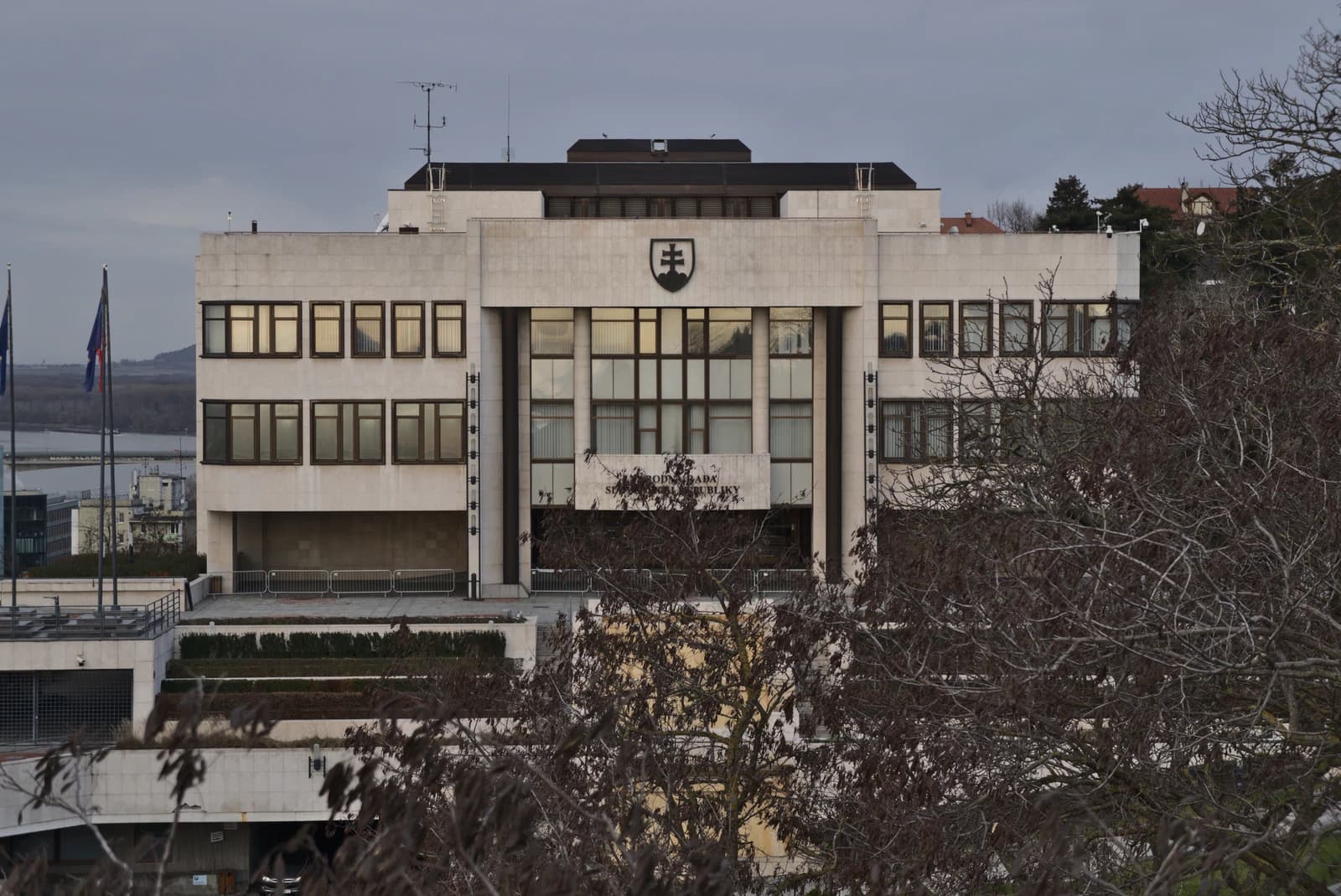
Slovakia’s decision to restore military-diplomatic contacts with Russia after a five-year break is sharpening concerns in Brussels and within NATO that Bratislava is easing back toward Moscow at a time when the war in Ukraine and Russian intelligence activity remain acute.
Slovakia restores military contacts with Russia
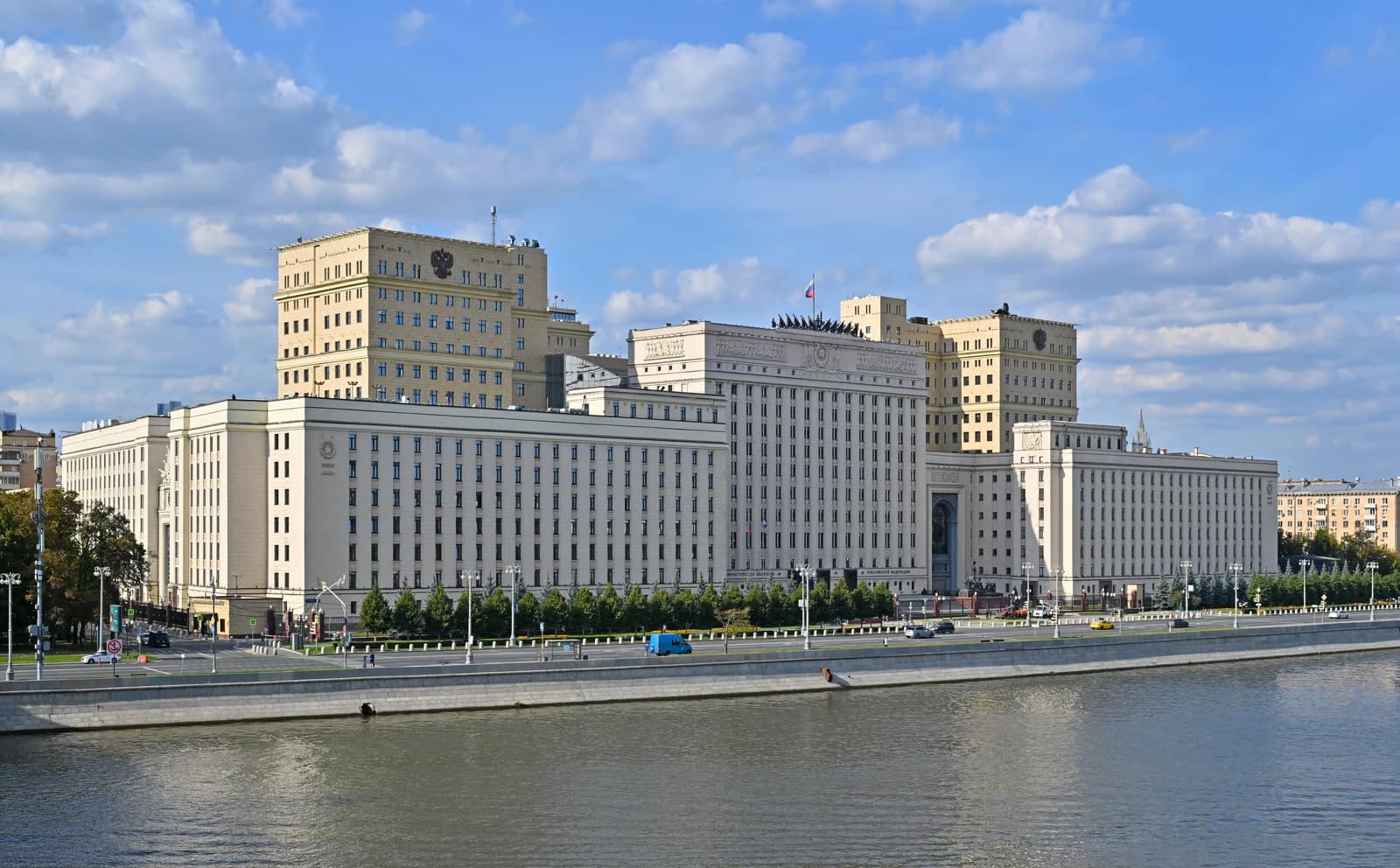
The move is economically minor on its face, but strategically significant because military attaché channels are not just ceremonial. They provide a formal conduit for intelligence gathering, security signalling and political access. In the current environment, that matters for alliance trust as much as for battlefield information. Slovakia is moving to send two officers to Moscow and to receive a Russian military attaché in Bratislava for the first time since Russia’s full-scale invasion of Ukraine in 2022.
Opposition figures in Slovakia argue the step could hand Moscow a fresh platform for influence operations and espionage. That concern is rooted in precedent: a previous Russian military-diplomatic presence in Bratislava was tied to a 2021 spying case involving Sergei Solomasov, then a Russian deputy military attaché, who was filmed recruiting a pro-Russian media collaborator with cash. He was expelled the following year, and the local collaborator was later convicted.
The government says the re-establishment of contacts is a practical move to gather information and maintain diplomatic representation. Richard Glück, a lawmaker from Prime Minister Robert Fico’s Smer party, said Slovakia had been “losing a lot of information,” arguing that other Western powers also keep military personnel in Moscow. But critics say the comparison misses the point: for a front-line EU and NATO member bordering Ukraine, any renewed Russian military presence carries a different security weight, especially while Moscow’s hybrid operations in the region continue.
That is why the appointment is being read less as a routine diplomatic adjustment than as a political signal. Analysts and opposition politicians say Fico is likely to frame himself as the leader best placed to keep dialogue open with President Vladimir Putin and to present his government as a force for peace, even as he maintains Slovakia’s formal NATO commitments. That line could play well domestically, but it risks deepening doubts among allies about Bratislava’s strategic alignment.
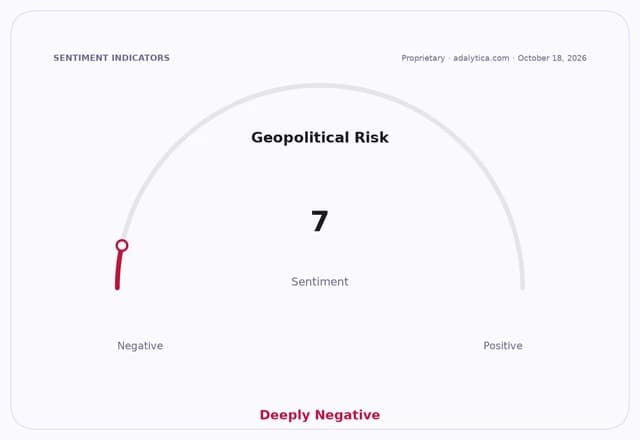
The timing also matters. Slovakia has recently resisted providing major financial support to Ukraine while keeping open the possibility of talks with both Moscow and Kyiv, underscoring Fico’s balancing act between EU obligations, domestic politics and ties to Russia. For investors, the direct market impact is limited, but the wider implication is that Slovakia’s policy mix remains a source of regional uncertainty at a time when European energy security, defence spending and alliance cohesion are already under pressure.
For NATO and the EU, the key question is whether Bratislava’s outreach to Moscow remains symbolic or becomes part of a broader shift in policy. If it is the latter, the cost may be measured less in money than in trust.
| Entity | Gains | Losses |
|---|---|---|
| Slovak government | ▲Intelligence access | ▼Trust with allies |
| Russia | ▲Diplomatic foothold | ▼Isolation pressure |
| NATO/EU allies | ▲None | ▼Security confidence |
| Slovak opposition | ▲Political warning leverage | ▼Policy influence |