Lithuania and Poland are stepping up joint planning to defend the Suwalki corridor, the thin NATO land bridge between Belarus and Russia’s Kaliningrad exclave that is widely seen as one of the alliance’s most exposed military chokepoints.
Lithuania and Poland Step Up Suwalki Corridor Planning

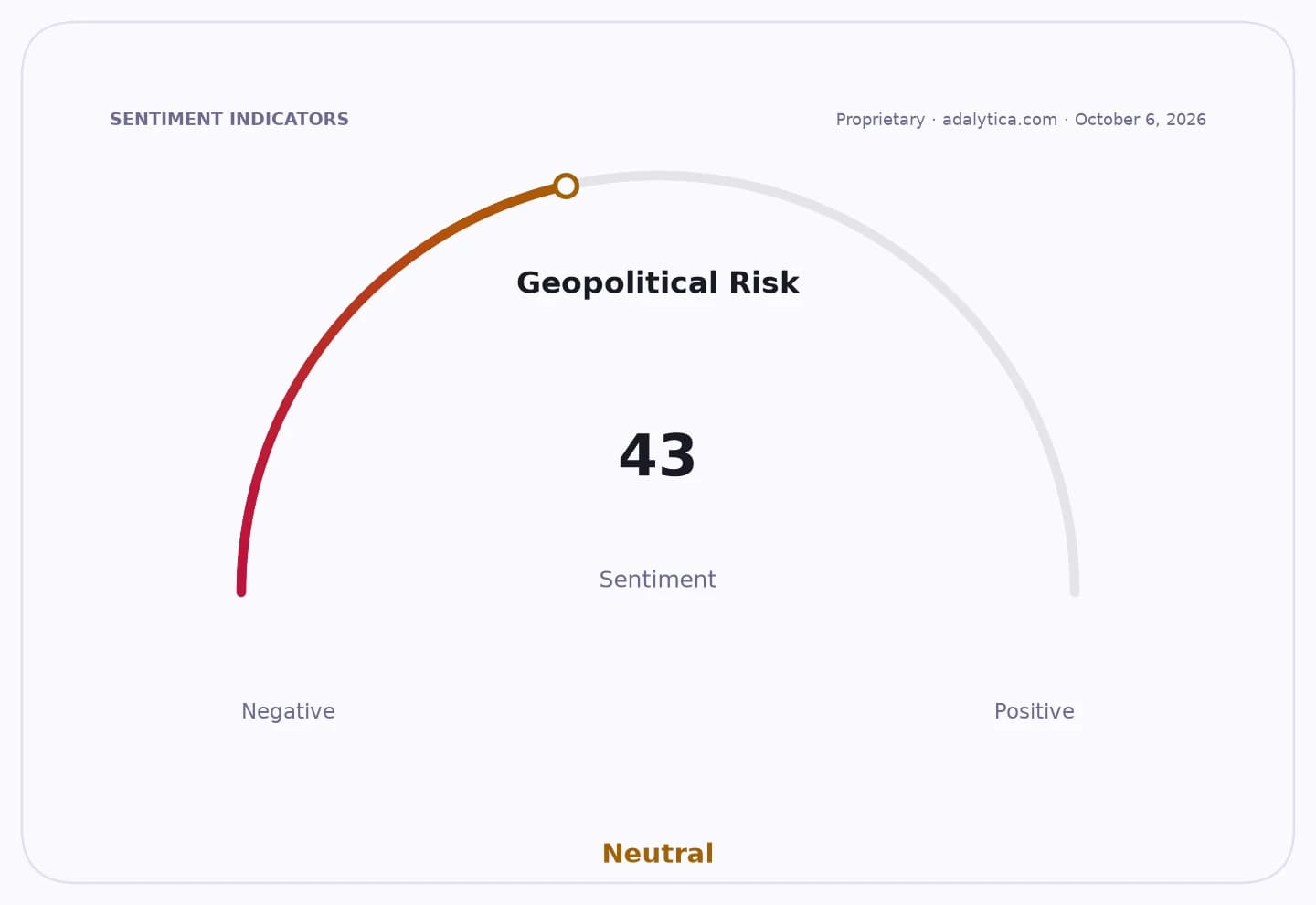
The move matters because any threat to the corridor would complicate reinforcement of the Baltic states and raise the risk of rapid escalation on NATO’s eastern flank. For investors, it reinforces the region’s already elevated security premium, supporting demand for air defense, drones and other military hardware while keeping pressure on European policymakers to spend more on deterrence.
Sentiment IndicatorsⓘProprietary · adalytica.com · October 11, 2026
This is a snapshot — live sentiment, awareness and momentum for 130+ markets update continuously in the dashboard.Open AlphaPulse
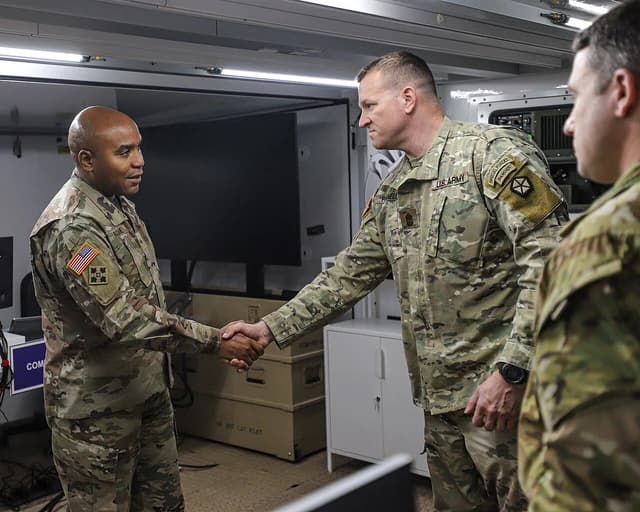
Lithuanian commander Raimundas Vaikšnoras and Poland’s chief of general staff, Wieslaw Kukula, discussed the “Orsha” coordination plan, joint exercises for responding to threats and protecting the corridor, and broader defense planning during a meeting in Poland. They also covered integrated air defense and drone systems, underscoring how the two militaries are adapting to the battlefield lessons of Ukraine.
Vaikšnoras said Lithuania and Poland share a long-running military partnership and a common view of regional security, with Warsaw moving “along the same path” as Vilnius in strengthening its defense capabilities. He said the aim was to expand cooperation across defense initiatives, align plans, train jointly and deepen ties between units.
The talks also touched on NATO’s eastern-flank deterrence initiative and Poland’s “Eastern Shield” program, which is meant to harden the border against threats from the east. Vaikšnoras visited a Polish air-defense brigade, where he reviewed the country’s air-defense capabilities.
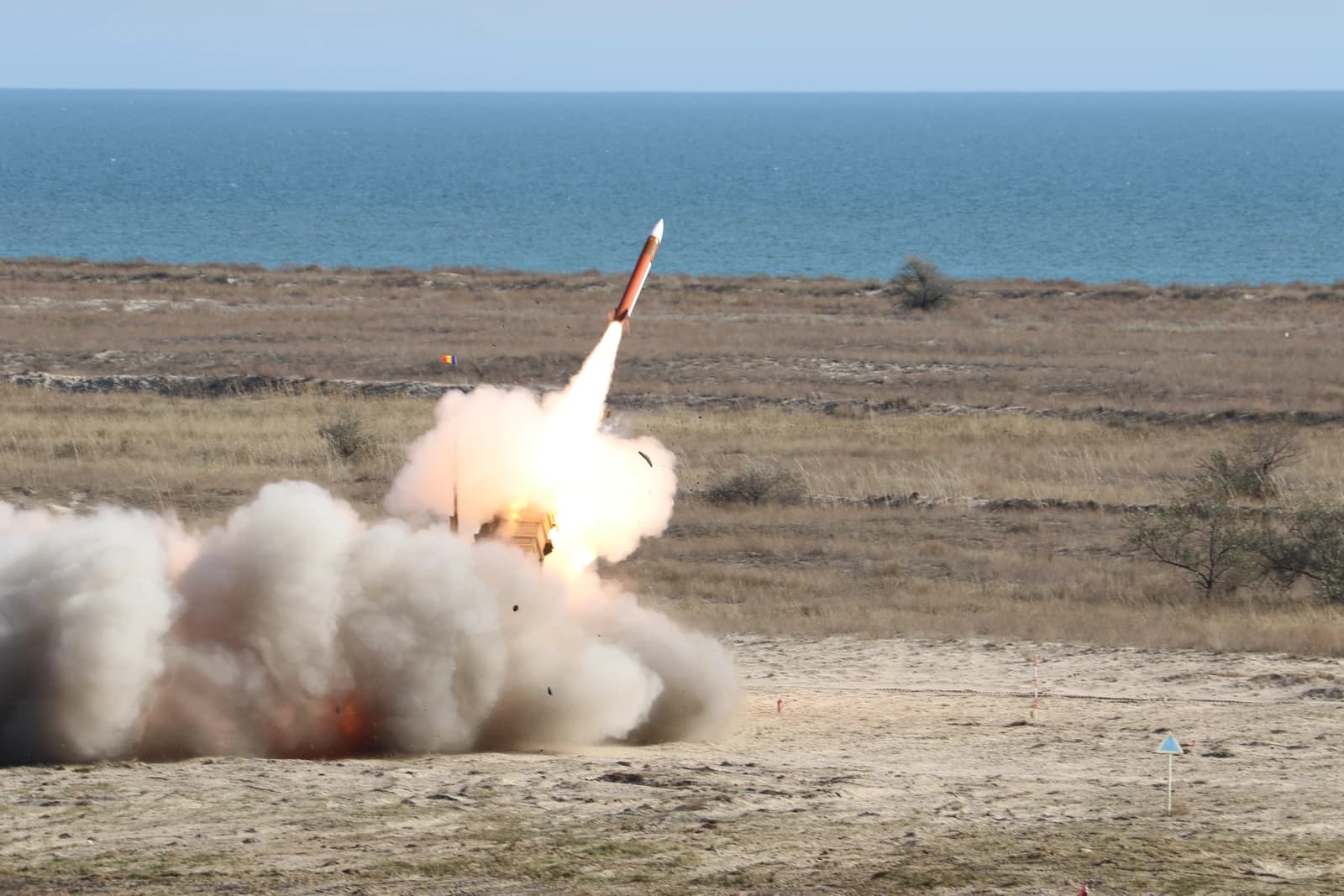
Lithuania is buying Polish-made Piorun short-range man-portable air-defense systems to bolster its own air defenses, a sign of how the two countries are increasingly linking procurement to common operational needs. Poland’s air force has already taken part 13 times in NATO air-policing missions over the Baltics, and the mission has now shifted into a broader air-defense format with greater readiness for air and missile threats.
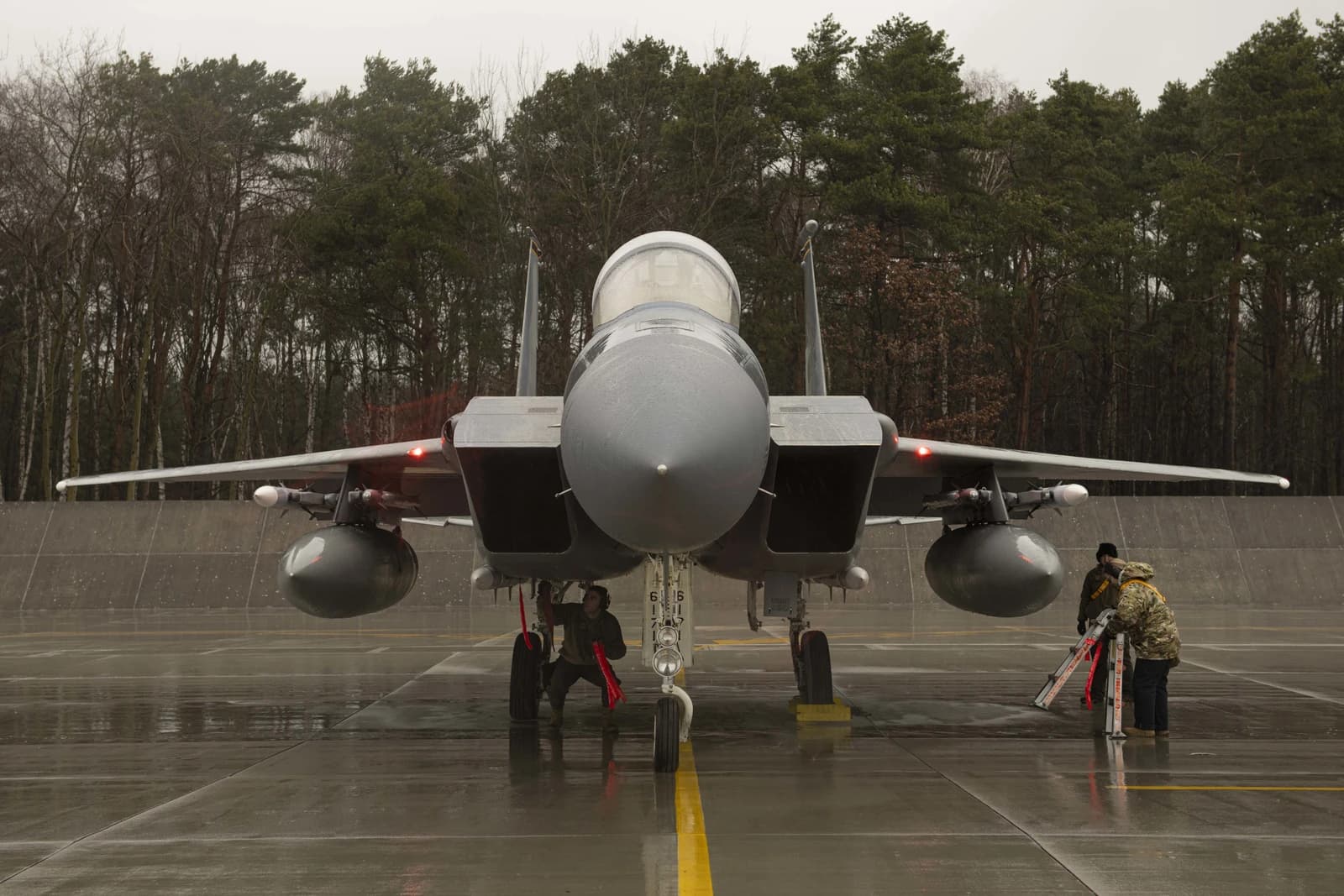
The coordination comes as NATO’s eastern members continue to treat air defense, drones and rapid-reaction exercises as top priorities after Russia’s invasion of Ukraine. For defense contractors in Poland and the wider region, that keeps the pipeline of procurement and interoperability work active; for investors in European defense, it adds another reminder that security spending is likely to stay elevated.
With joint drills, air-defense integration and cross-border procurement now moving in tandem, the next catalyst will be how quickly Lithuania and Poland can turn the planning into visible force posture changes and expanded NATO activity around the corridor.
| Entity | Gains | Losses |
|---|---|---|
| Lithuania | ▲Stronger air defense, closer NATO ties | ▼Higher defense spending burden |
| Poland | ▲Regional leadership, defense exports | ▼Greater frontline exposure |
| NATO eastern flank | ▲Better deterrence and readiness | ▼Continued escalation risk |
| Russia/Belarus | ▲None | ▼More constrained military options |