Russia’s latest drone attack on Ukraine pushed Poland to issue a public alert in its southeastern regions and prompted the scramble of fighter aircraft near the border, underscoring how quickly the war can spill into NATO airspace risk.
Poland Issues Alert After Russia Drone Attack
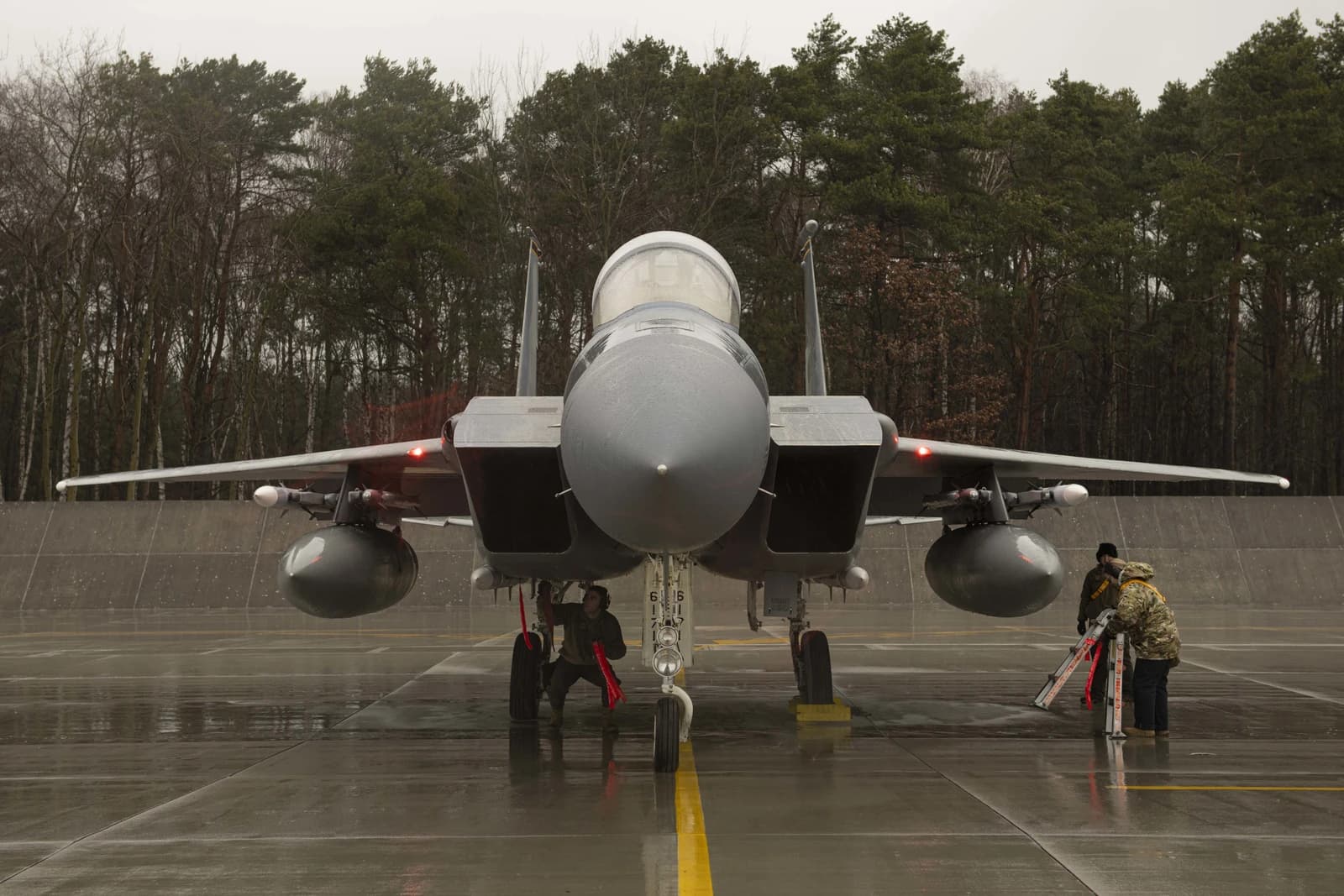
Residents in Podkarpackie and Lubelskie received warning messages around 9:20 a.m. Thursday telling them to expect further communications, while an air raid alert was activated about six minutes later in the Lutsk area of western Ukraine, roughly 80 kilometers from the Polish border. Poland’s operational command had not yet said whether its own air force was flying.
Sentiment IndicatorsⓘProprietary · adalytica.com · October 9, 2026
This is a snapshot — live sentiment, awareness and momentum for 130+ markets update continuously in the dashboard.Open AlphaPulse
The immediate economic significance is limited, but the security premium for Central and Eastern Europe rises whenever Russian drones approach Polish territory. Markets tend to treat these episodes as reminders that the war can still disrupt logistics, energy flows and regional risk sentiment even without a direct strike on Poland.
The alert came as unofficial Ukrainian monitoring channels reported one drone over Lutsk and local outlet Volyn24 said a Russian drone may have crashed near Kivertsi, about 90 kilometers from Poland, though that has not been officially confirmed. No explosion was reported, and the drone’s final location and consequences were still being established.
For investors, the event matters because repeated border incidents keep defense spending, air-defense demand and geopolitical hedging in focus, especially for European assets with exposure to Poland and neighboring states. It also keeps pressure on markets to price in the possibility of escalation, even when the immediate damage is unclear.
The broader narrative is that Russia’s air campaign in Ukraine continues to generate cross-border alarm for NATO’s eastern flank, making every new drone wave a test of regional readiness and market nerves. Further official Polish and Ukrainian statements will determine whether this remains a warning episode or another step in the war’s widening security footprint.
| Entity | Gains | Losses |
|---|---|---|
| Poland / NATO eastern flank | ▲Higher alert readiness | ▼Greater security risk |
| Defense contractors | ▲Stronger demand backdrop | ▼— |
| Ukraine border regions | ▲Increased warning time | ▼Persistent air threat |
| Regional risk assets | ▲— | ▼Elevated geopolitical premium |