Slovak Prime Minister Robert Fico has said he would not comply with NATO’s Article 5 collective-defense obligation, sharpening doubts about alliance unity at a time when Russia’s war in Ukraine is forcing Europe to confront its own security gaps.
Slovakia's Fico Rejects NATO Article 5 Duty

The remarks matter because Article 5 is the core deterrent behind NATO membership: an attack on one is treated as an attack on all. Any public wavering by a sitting NATO leader feeds investor concern about the credibility of the alliance’s security umbrella, especially as Europe pushes higher defense spending, fortifies its eastern flank and weighs the economic cost of a prolonged confrontation with Moscow.
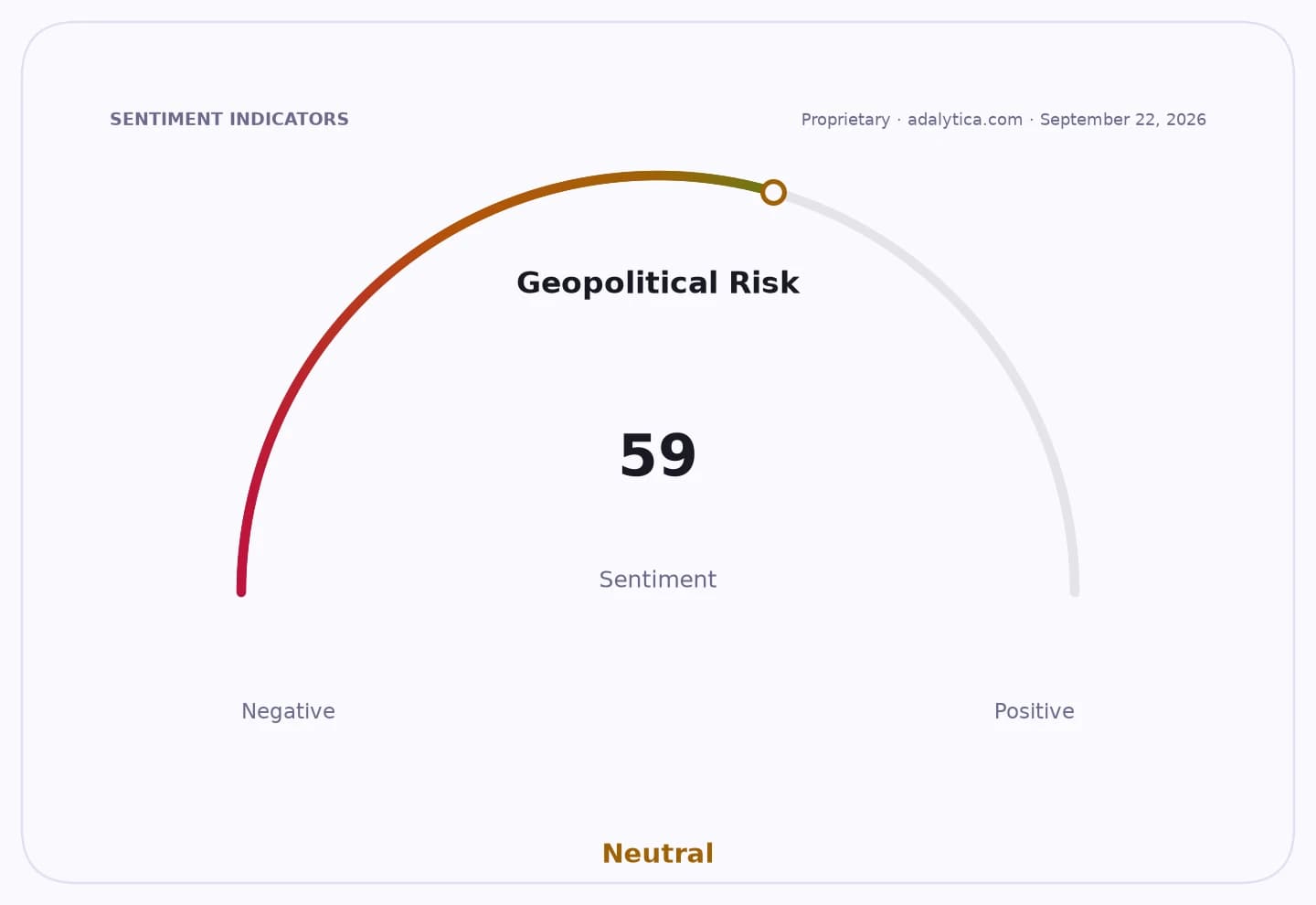
Sentiment IndicatorsⓘProprietary · adalytica.com · September 20, 2026
This is a snapshot — live sentiment, awareness and momentum for 130+ markets update continuously in the dashboard.Open AlphaPulse

Fico said he did not understand whom NATO should be defending against and criticized what he called “war-like rhetoric” from European leaders, arguing that illegal migration, competitiveness and high energy prices were being replaced by militarized language. He also questioned the prospect of Germany going to war with Russia and framed the rise of Germany’s far-right Alternative for Germany as a sovereign choice by voters.
The political fallout is likely to be felt well beyond Bratislava. Slovakia is a small NATO member, but the comments add another stress point for an alliance already under pressure from Russia’s hybrid tactics, the war in Ukraine and debates over how far member states can rely on each other in a real crisis.
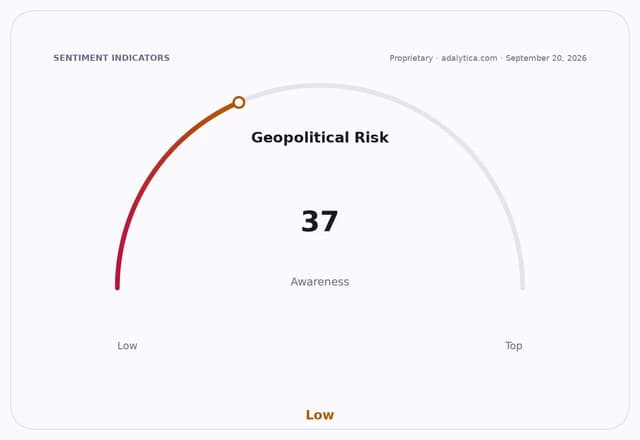
For investors, the bigger takeaway is not immediate market impact but the way geopolitical cohesion affects defense spending, energy security and risk premia across Europe. Eurozone assets tend to be sensitive to any sign of widening divisions over Ukraine and Russia, while defense names and suppliers to NATO members typically benefit when threats to collective security intensify.
The latest warning from Bratislava also reinforces the broader narrative that Europe’s security architecture is entering a more fragile phase just as governments are trying to balance military readiness, fiscal constraints and public fatigue with the war. Any further escalation in NATO-Russia rhetoric, or signs of political pushback inside the alliance, will keep investors focused on defense budgets, sanctions risk and the likelihood of a longer period of strategic instability.
| Entity | Gains | Losses |
|---|