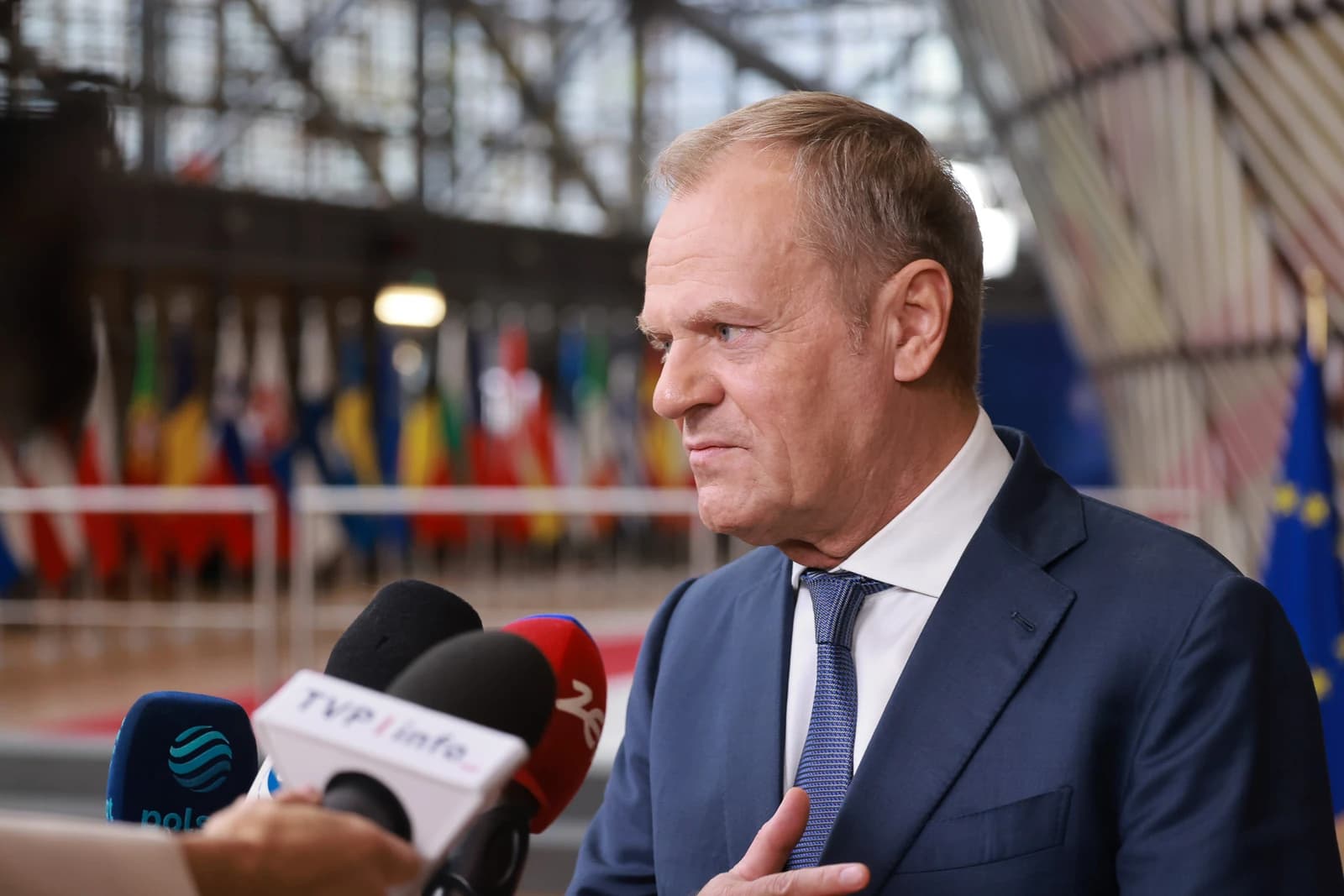
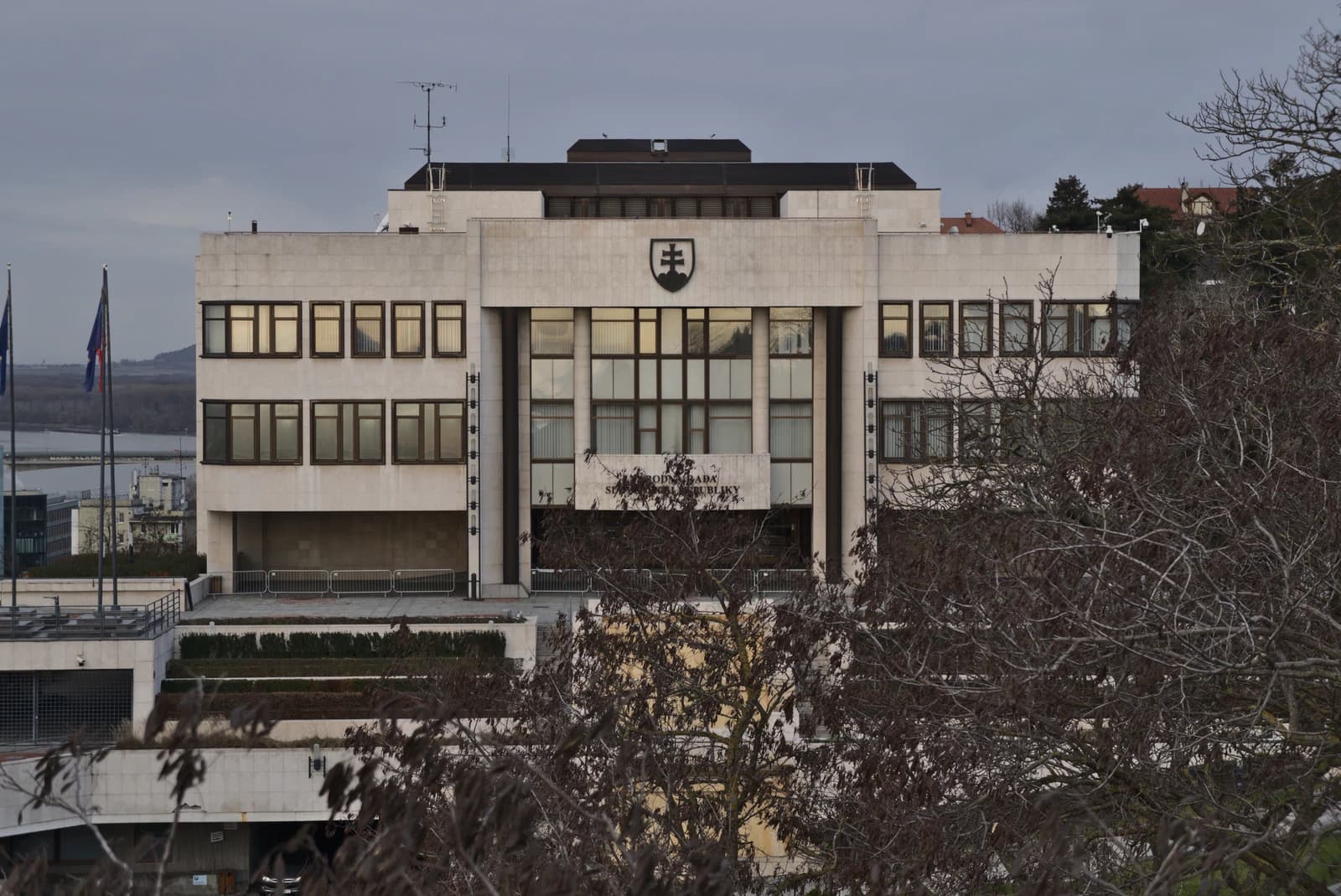
Slovakia is using its turn at the helm of the Visegrad Four to push a broader economic and political reset for Central Europe, as the bloc’s leaders meet in Bratislava with Irish Prime Minister Micheál Martin ahead of Slovakia’s own chairmanship next year.
Slovakia leads V4 talks on competitiveness
The talks matter because the V4 — Slovakia, Czech Republic, Poland and Hungary — has often struggled to project a common voice on EU policy, even as the region faces slower growth, weaker competitiveness and mounting pressure to attract investment and defend its industrial base. Bratislava’s message is that the group wants to move beyond symbolism and return to practical cooperation at a time when Europe is preoccupied with supply chains, energy security and the cost of rebuilding industrial capacity.
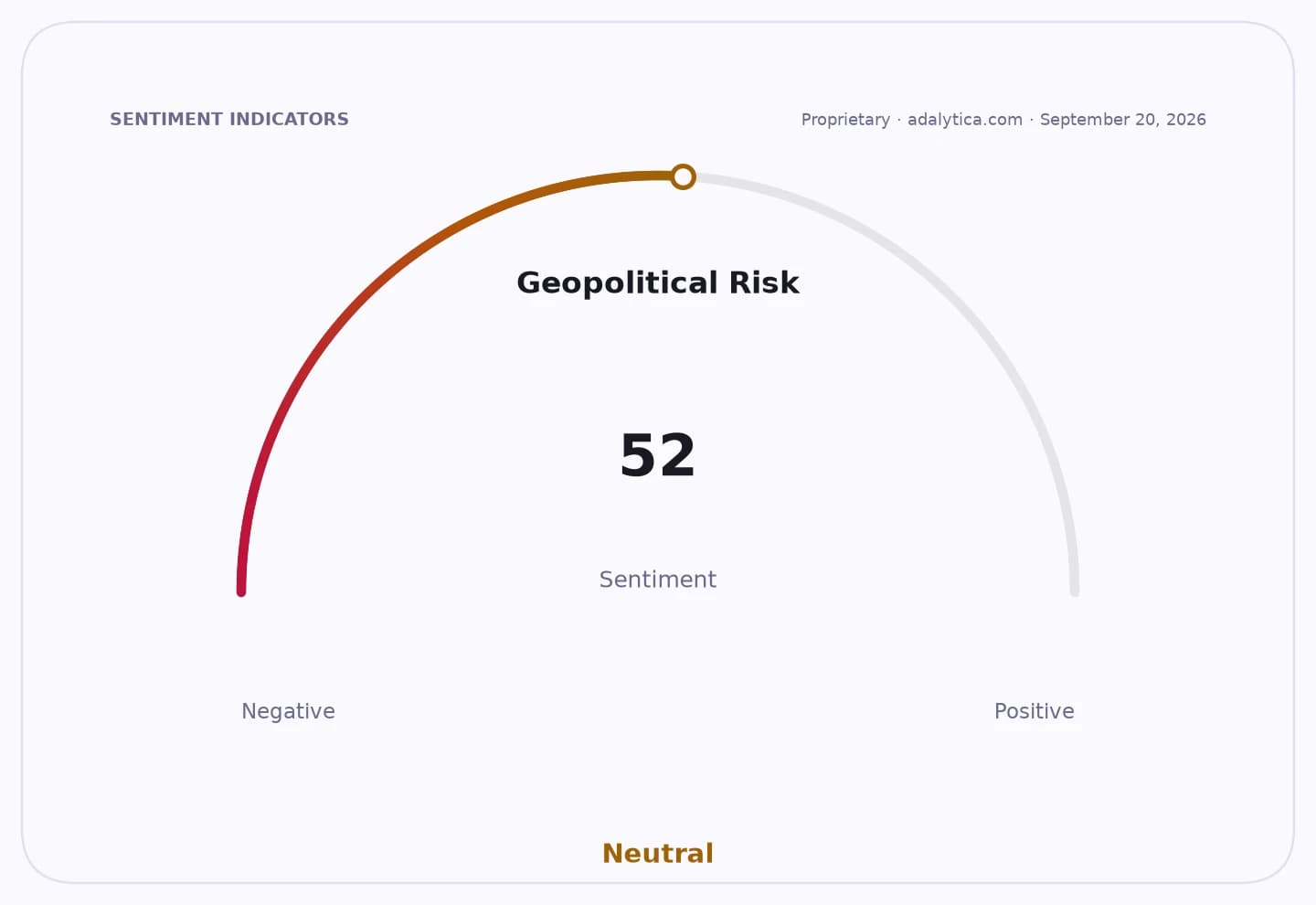
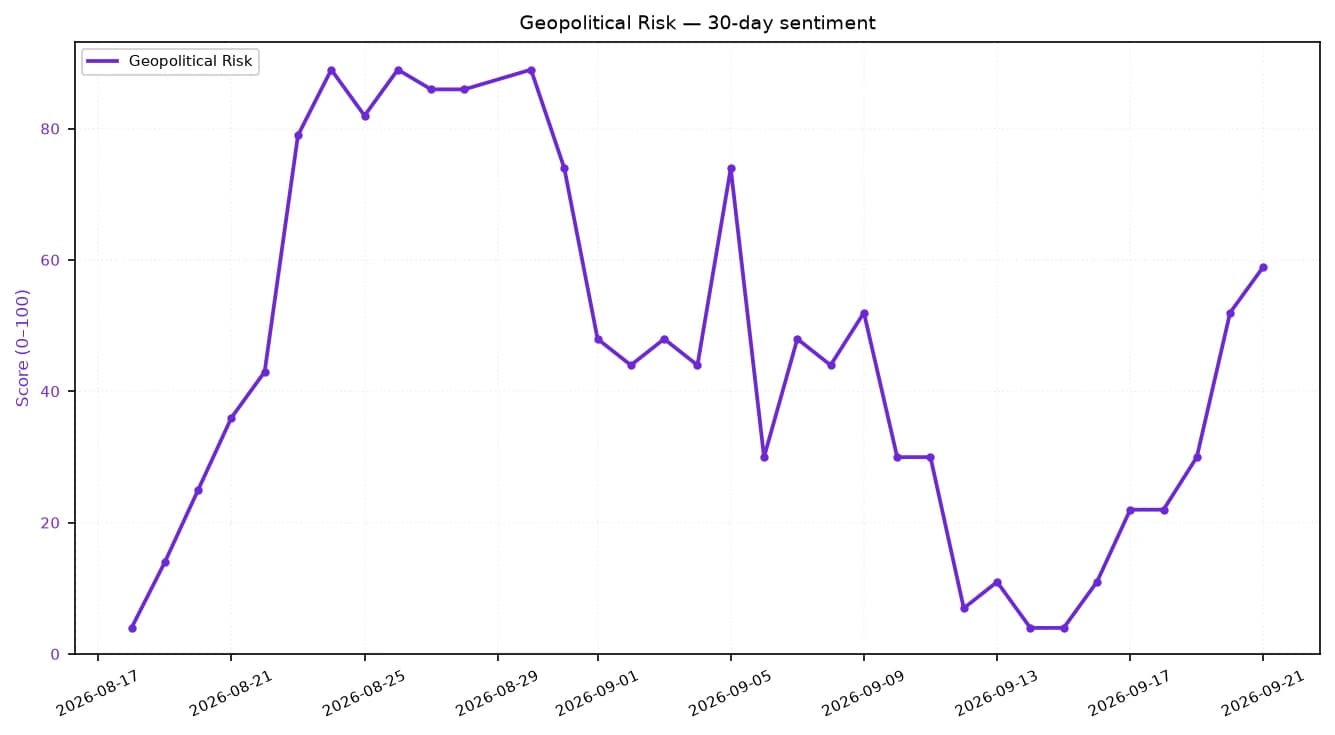
Sentiment IndicatorsⓘProprietary · adalytica.com · September 11, 2026
This is a snapshot — live sentiment, awareness and momentum for 130+ markets update continuously in the dashboard.Open AlphaPulse
According to the Slovak government, Bratislava’s V4 presidency, which began on July 1, 2026, will focus on competitiveness, support for candidate countries seeking EU membership, sectoral cooperation and people-to-people ties. Its motto — “V4 for a stronger Europe” — is aimed at presenting the bloc less as a political club and more as a regional economic platform. That framing is significant for investors because any improvement in coordination across the four economies could affect cross-border trade, infrastructure spending, labor mobility and the region’s ability to compete for capital against Western Europe and the Baltics.
The inclusion of Ireland’s premier is also notable. Ireland currently holds the rotating EU presidency, giving the meeting an institutional bridge to Brussels at a time when Central European governments are trying to shape the bloc’s agenda on enlargement and competitiveness. For Slovakia, a bilateral meeting between Prime Minister Robert Fico and Martin before the wider V4 session underlines the diplomatic value of linking regional priorities with the EU’s current leadership.
Market impact is likely to be indirect but relevant. The V4 economies are closely tied through manufacturing, autos, energy and export supply chains, so any credible push to reduce regulatory friction or strengthen industrial policy could matter for companies exposed to Central Europe. By contrast, failure to agree common positions would reinforce the region’s fragmentation premium and keep investors focused on country-specific risk rather than a unified Central European story.
The broader narrative is one of regional relevance rather than headline diplomacy. Slovakia wants to present the V4 as a vehicle for competitiveness and EU influence just as Europe is being forced to think harder about growth, industrial policy and enlargement. Whether that ambition translates into policy coordination will determine if the format remains a forum for statements or becomes a more meaningful economic bloc.
| Entity | Gains | Losses |
|---|---|---|
| Slovakia | ▲Chairs V4 agenda | ▼Must prove delivery |
| V4 exporters | ▲Better coordination | ▼Fragmented policy status quo |
| EU enlargement states | ▲Stronger support signal | ▼Slower accession momentum |
| Investors in Central Europe | ▲Potential policy clarity | ▼Continued country-level risk |