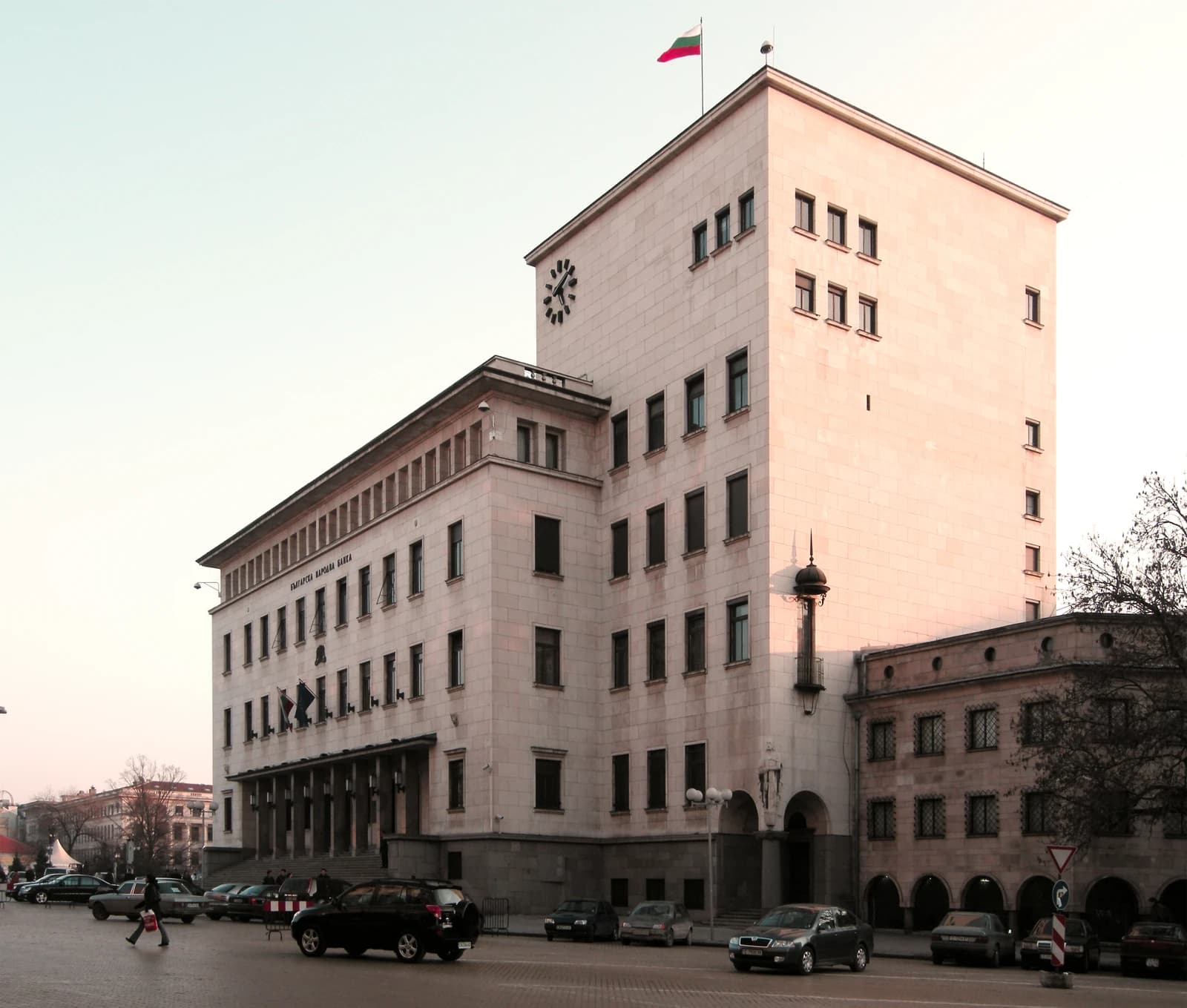
Kristalina Georgieva’s warning to Bulgaria to “not spend money you don’t have” lands at a sensitive moment for the country’s public finances and for European policymakers weighing how far fiscal restraint can go without slowing growth.
IMF Tells Bulgaria to Cut Deficit, Tighten Spending

The managing director of the International Monetary Fund said Sofia’s plan to cut its deficit to 3% over the next two years was a positive step, but argued the proposed revenue measures looked largely one-off and that the spending side remained too vague. Her message goes to the core of Bulgaria’s near-term policy challenge: restoring budget credibility without choking off investment or household incomes in an economy where wages have been rising faster than productivity.
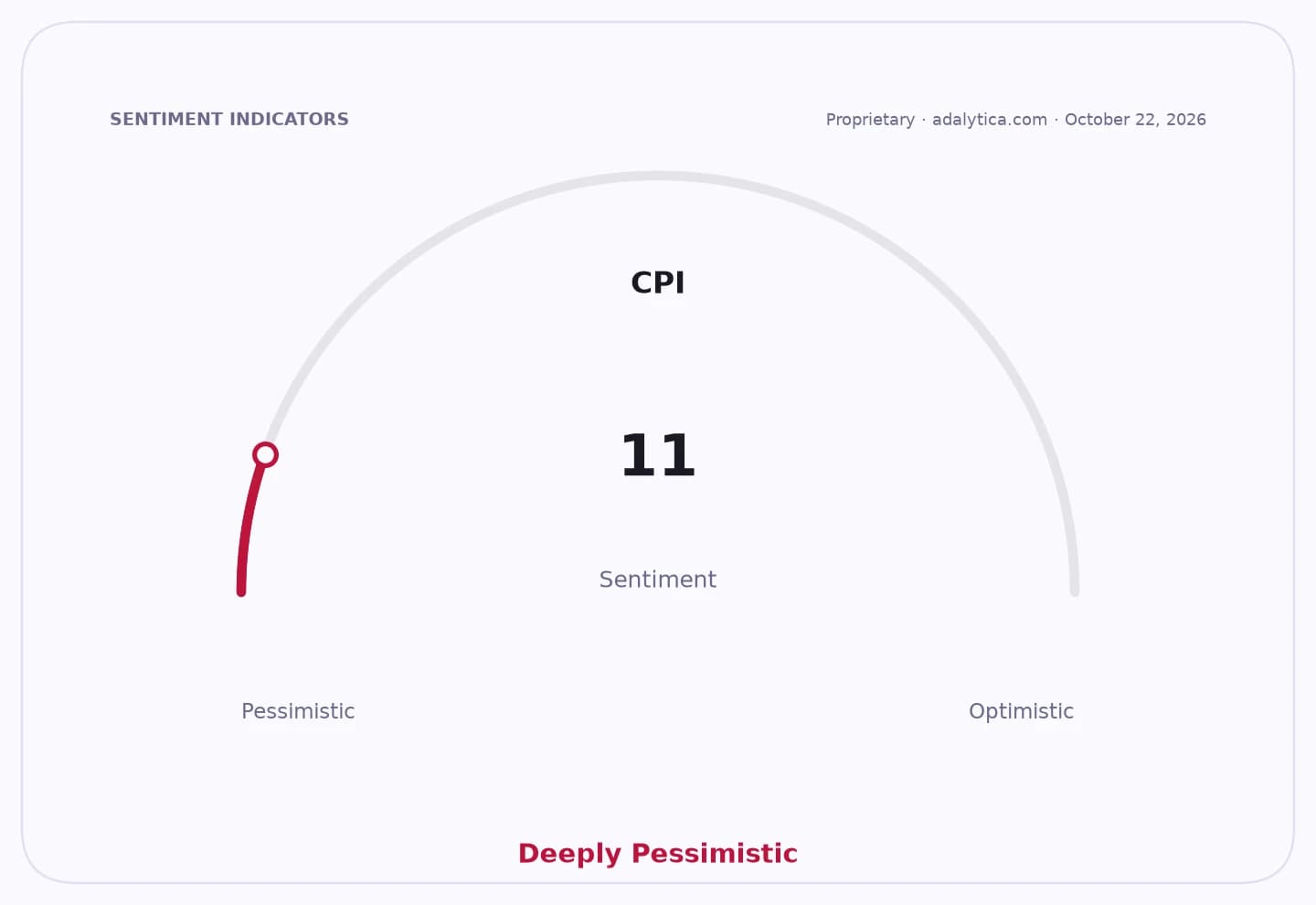
Sentiment IndicatorsⓘProprietary · adalytica.com · October 22, 2026
This is a snapshot — live sentiment, awareness and momentum for 130+ markets update continuously in the dashboard.Open AlphaPulse
That matters economically because Bulgaria is trying to tighten fiscal policy while facing the same pressures confronting much of Europe — elevated energy costs, sticky inflation and weaker long-term productivity growth. Georgieva said higher pay has not been matched by corresponding output gains, a mismatch that can erode competitiveness and leave the budget more exposed when growth slows. Temporary revenue boosts may help close a deficit on paper, but they do little to create the buffers needed if growth disappoints or borrowing costs rise.
The IMF chief also pushed Sofia away from blunt tax-policy fights and toward a broader rethink of how the economy generates growth. She did not call explicitly for abandoning the flat tax, but said the government should review the tax system and focus on sustainable revenues and spending restraint. For investors, that signals the IMF wants a more durable fiscal adjustment, not a one-off squeeze that can be reversed at the first political turn.
Her comments fit a wider warning from the IMF that the global economy is increasingly being held up by a narrow set of drivers, especially artificial intelligence investment, even as energy shocks and geopolitical risks threaten to pull growth lower. Georgieva said the world economy is “standing on one leg,” with AI lifting output in a relatively small number of countries while many others remain exposed to imported oil and gas and weaker integration into the technology cycle.
For Europe, the implications are especially clear. Georgieva said the region still lags the U.S. on AI, suffers from unfinished single-market integration and lower productivity, and could improve competitiveness by removing barriers to investment and better linking energy systems. She argued that stronger integration could cut energy prices by more than 10%, a reminder that fiscal tightening alone will not solve Europe’s growth problem if supply-side weaknesses remain unaddressed.
Markets are likely to read the message as a warning that fiscal discipline is becoming a prerequisite for credibility across the region, particularly where debt is already high and financing conditions remain tight. The broad backdrop is not one of panic — U.S. equities are near record levels and Treasury yields have eased only modestly — but sovereign borrowers remain sensitive to any sign that deficits are becoming structurally harder to finance.
For Bulgaria, the immediate test is whether the government can turn the IMF’s call for discipline into a plan that is both politically durable and economically coherent. If it leans too heavily on temporary revenue measures, the deficit may narrow only briefly. If it cuts too deeply into productive investment, it risks locking in the very low productivity that Georgieva said is constraining living standards. Investors will be watching whether the final budget balances restraint with reforms that support growth rather than merely postponing the adjustment.
| Entity | Gains | Losses |
|---|---|---|
| Bulgarian government | ▲Fiscal credibility if reforms stick | ▼Political room to spend |
| IMF | ▲Policy influence | ▼If austerity stalls |
| Investors in Bulgarian debt | ▲Better deficit trajectory | ▼Near-term political uncertainty |
| Households and public services | ▲Long-term stability if growth reforms work | ▼Short-term spending restraint |