The International Monetary Fund is warning that artificial intelligence, stubborn inflation and rising public debt are among the biggest threats to the global economy, a caution that underscores the fragile balance between faster productivity gains and heavier borrowing costs.
IMF Warns on AI, Inflation, and Rising Debt

IMF Managing Director Kristalina Georgieva said at the fund’s annual meetings with the World Bank that policymakers should seize the benefits of AI while protecting workers and companies from its disruptive effects. She also urged central banks to stay focused on bringing inflation under control and keeping prices stable, while warning that higher rates are making debt service increasingly difficult for many countries.
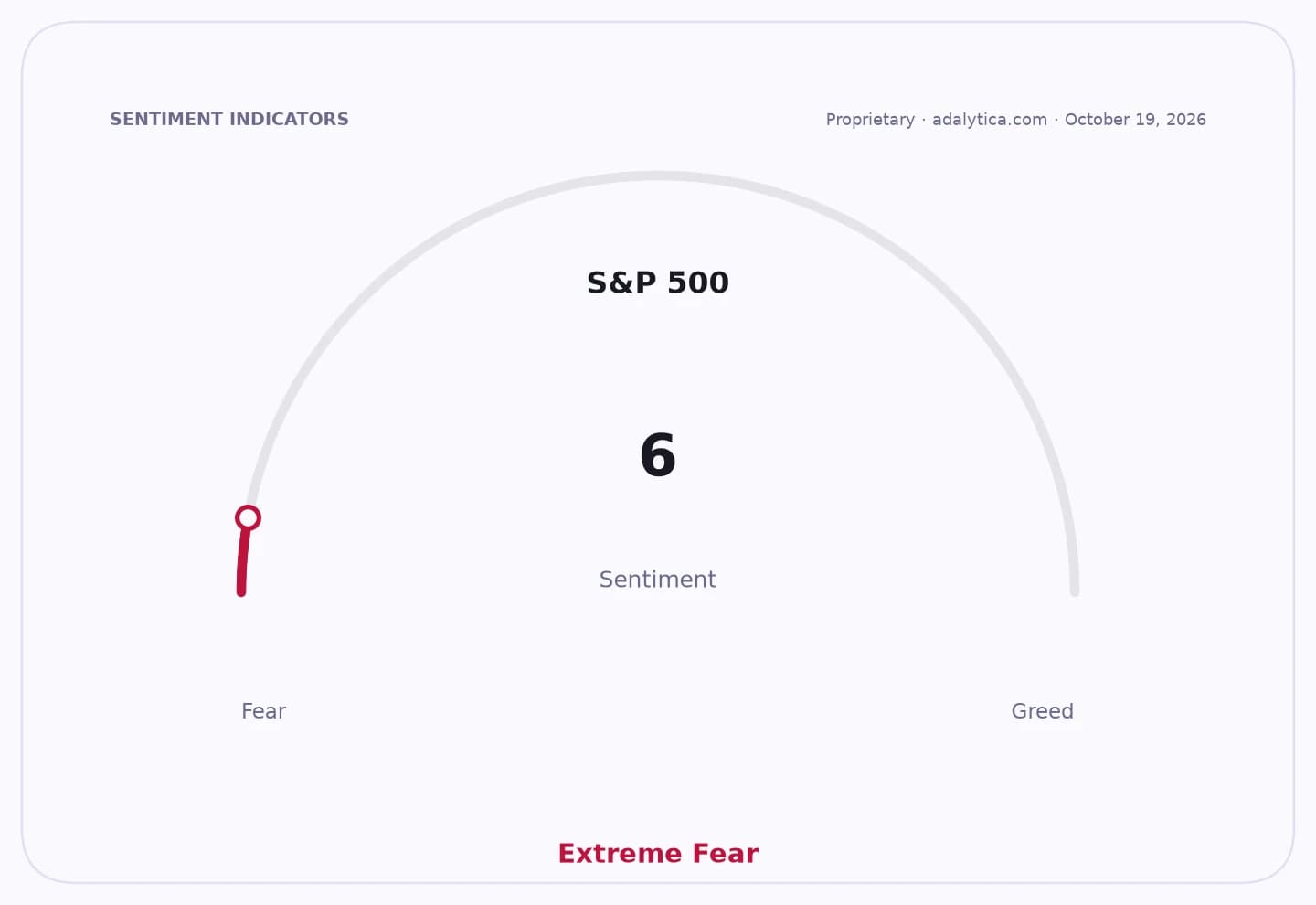
Sentiment IndicatorsⓘProprietary · adalytica.com · October 22, 2026
This is a snapshot — live sentiment, awareness and momentum for 130+ markets update continuously in the dashboard.Open AlphaPulse

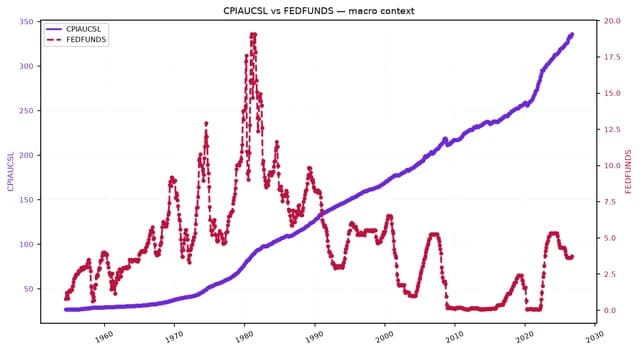
The warning lands as governments face mounting fiscal strain. Public debt has climbed across major economies, with the UK’s debt passing £3 trillion, the eurozone’s debt ratio rising to 88.8% of GDP, and U.S. federal debt topping $40 trillion. That leaves less room for stimulus if growth slows and makes refinancing more expensive if inflation forces rates to stay elevated.
For investors, the message is twofold: the AI buildout remains a powerful earnings driver, but it also carries capex, margin and regulation risks. Microsoft has said costs tied to AI infrastructure rose as it expands capacity for Copilot, while Nvidia reported $96.2 billion in revenue in its latest quarter, driven by a surge in data-center demand for Blackwell Ultra systems. The same spending boom that is lifting the largest tech names is also exposing them to tighter scrutiny over returns, energy needs and financing conditions.
Equity markets remain resilient on the surface, but sentiment gauges point to caution beneath the rally. Adalytica’s S&P 500 trade signals show “Extreme Fear” even as the SPDR S&P 500 ETF Trust trades near record territory, while Nvidia’s shares have been volatile around technical levels including its 50-day moving average. That suggests investors are still paying up for AI growth, but are increasingly sensitive to macro risks that could pressure valuations and earnings expectations.
The IMF’s broader concern is that the world economy is entering a period where the same forces supporting growth — AI investment, government borrowing and easing policy — may also amplify instability if inflation proves sticky or debt costs keep rising. The next test will come from inflation readings, central bank guidance and whether the AI spending wave continues to translate into profits rather than just higher capital expenditure.
| Entity | Gains | Losses |
|---|---|---|
| AI leaders | ▲Faster demand, higher spending | ▼Margin pressure, regulation |
| Governments | ▲Growth support from AI/productivity | ▼Higher debt-service costs |
| Central banks | ▲Chance to anchor inflation | ▼Less room to ease policy |
| Investors | ▲AI earnings upside | ▼Valuation risk, volatility |