Elon Musk’s blunt verdict on America’s debt problem lands at a moment when investors are already questioning how much leverage the artificial-intelligence boom can carry before it starts to crack.
Musk says AI and robots can offset U.S. debt
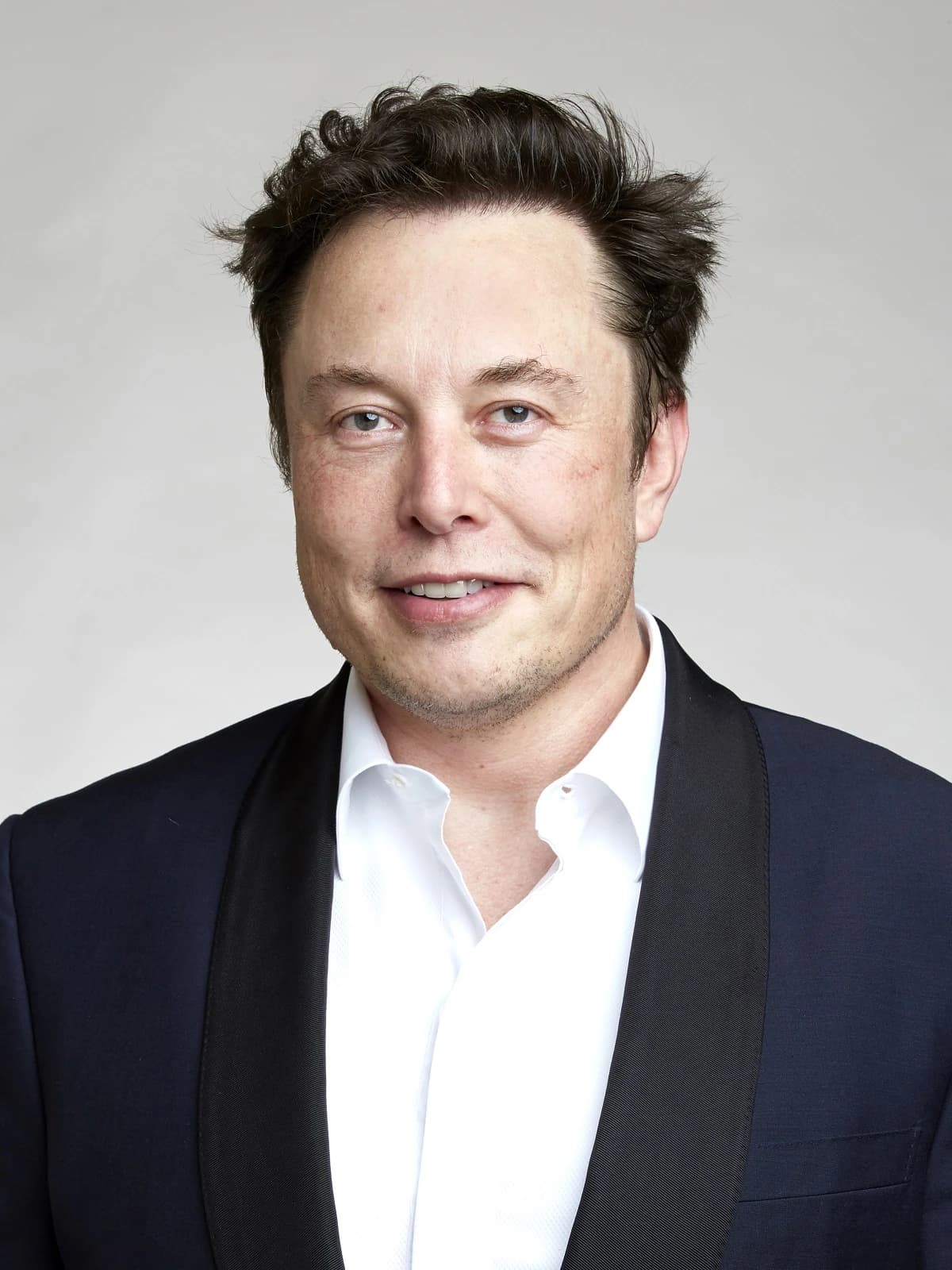
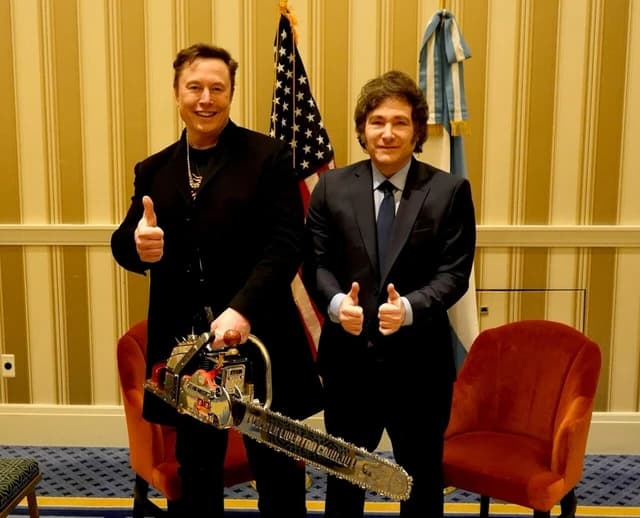
The Tesla and SpaceX chief said the U.S. cannot solve its fiscal math through traditional government cuts, calling his own DOGE experiment a failure and arguing that only AI and robots can generate enough productivity to offset the country’s swelling liabilities. That matters because it turns the AI story from a simple growth theme into a macro bet: if the technology really lifts output fast enough, it could help keep debt burdens manageable; if not, the market may be pricing an optimism that the economy and corporate balance sheets cannot support.
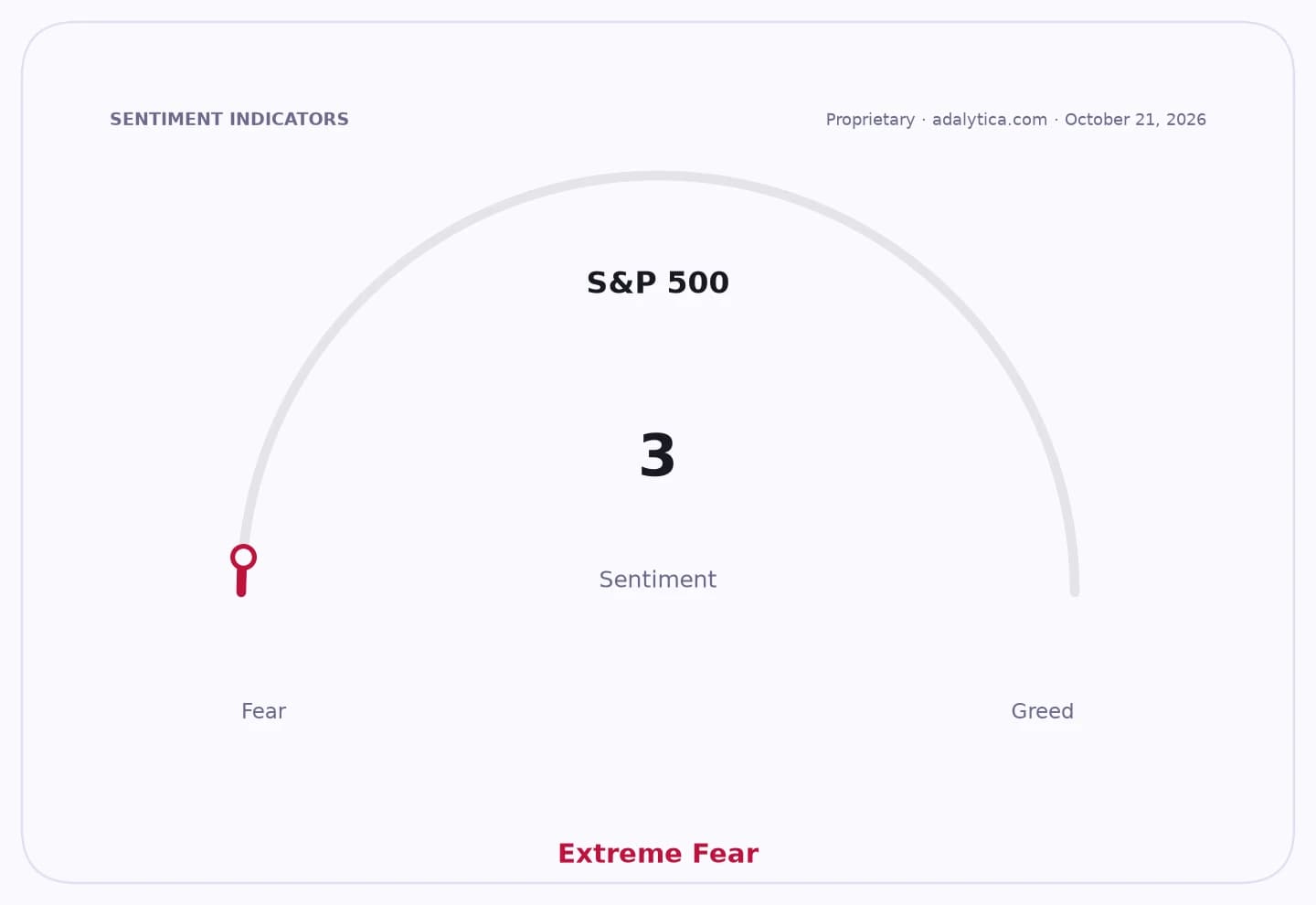
Sentiment IndicatorsⓘProprietary · adalytica.com · October 21, 2026
This is a snapshot — live sentiment, awareness and momentum for 130+ markets update continuously in the dashboard.Open AlphaPulse
For investors, that is a double-edged message. AI remains one of the most powerful secular trends in markets, and companies tied to compute, chips and automation still have real long-term upside. But the financing behind the boom is getting harder to ignore. AI spending is increasingly being funded with debt, and that is already pushing up required returns. Anthropic, for example, is paying more than 10% on new borrowing from Blackstone for its infrastructure buildout, well above the roughly 7% yield typical for comparable high-yield debt. That is a sign lenders want more compensation for the risk that AI infrastructure may take longer to pay off than the market has assumed.
The tension is visible across equities, too. Tesla stock has been volatile but remains far above its 200-day moving average, reflecting how much hope is still embedded in its robotics and autonomy story. Nvidia, the market’s barometer for AI spending, has also seen its shares swing around even as its long-term demand outlook stays intact. Those moves suggest investors are no longer willing to treat AI as a straight-line trade. They want earnings, cash flow and discipline, not just a bigger capital-expenditure plan.
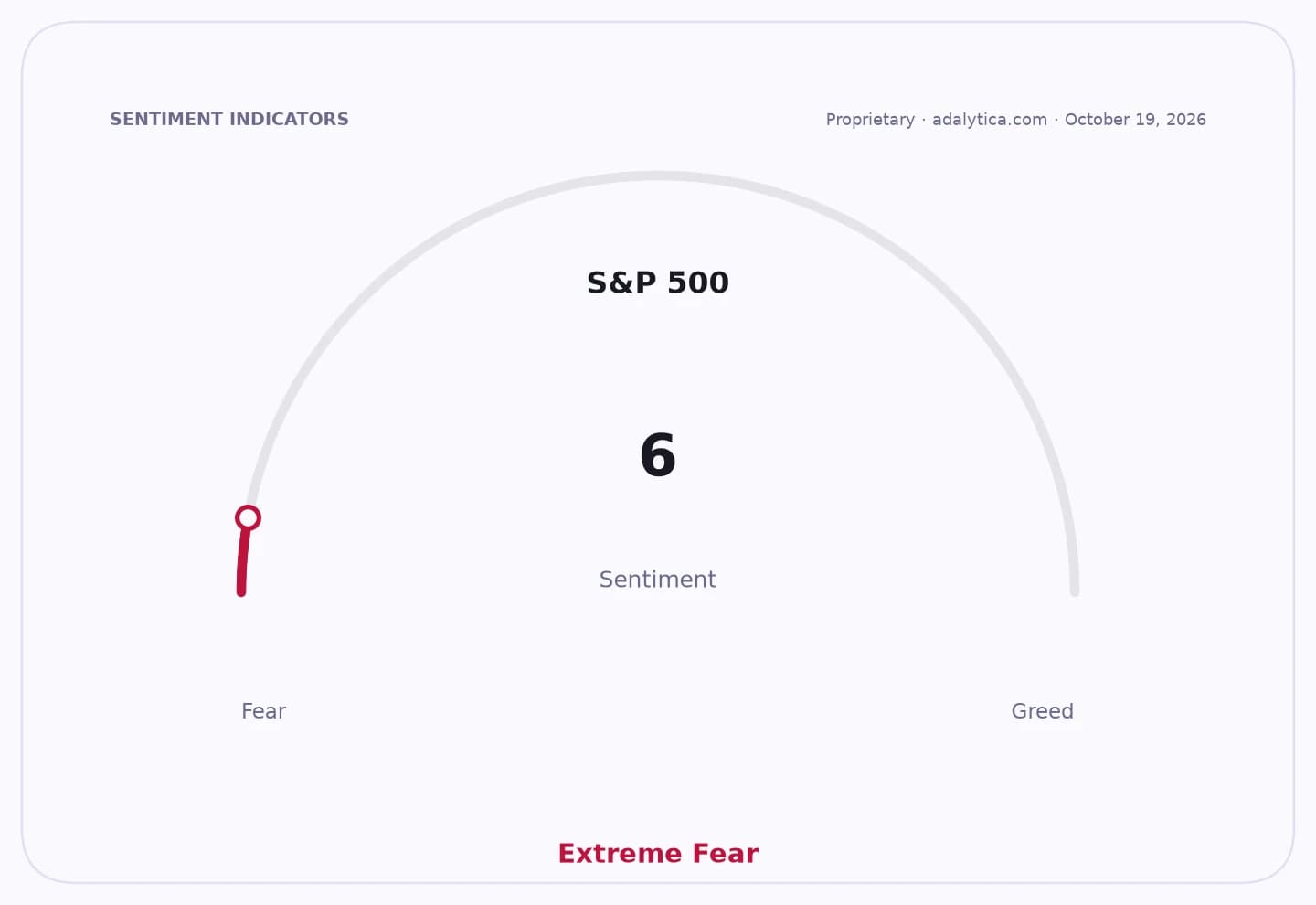
Musk’s comments also matter politically. By saying DOGE failed, he is effectively conceding that internal government reform cannot on its own solve the U.S. budget problem. That leaves productivity growth as the cleaner route, which is why AI and automation keep coming back into the conversation. The latest U.S. Treasury yields near 5.1% and broad market fear, as tracked by Adalytica’s S&P 500 trade signals, show investors are already wrestling with tighter financial conditions and weaker confidence in the inflation outlook.
In the long run, the question is not whether AI will matter — it clearly will. The real question is whether its gains arrive fast enough to justify the capital being thrown at it, especially when debt costs are rising and the market is becoming less forgiving. For long-term investors, that argues for owning the winners in AI and automation, but with balance, diversification and patience. The theme is still powerful. The easy money phase may be over.
| Entity | Gains | Losses |
|---|---|---|
| AI hardware and robotics firms | ▲More strategic demand | ▼Higher expectations |
| Tesla and Nvidia bulls | ▲Secular growth thesis | ▼Short-term volatility |
| Lenders to AI firms | ▲Higher yields | ▼Credit risk exposure |
| U.S. taxpayers and bondholders | ▲Productivity hopes | ▼Fiscal strain if AI disappoints |